


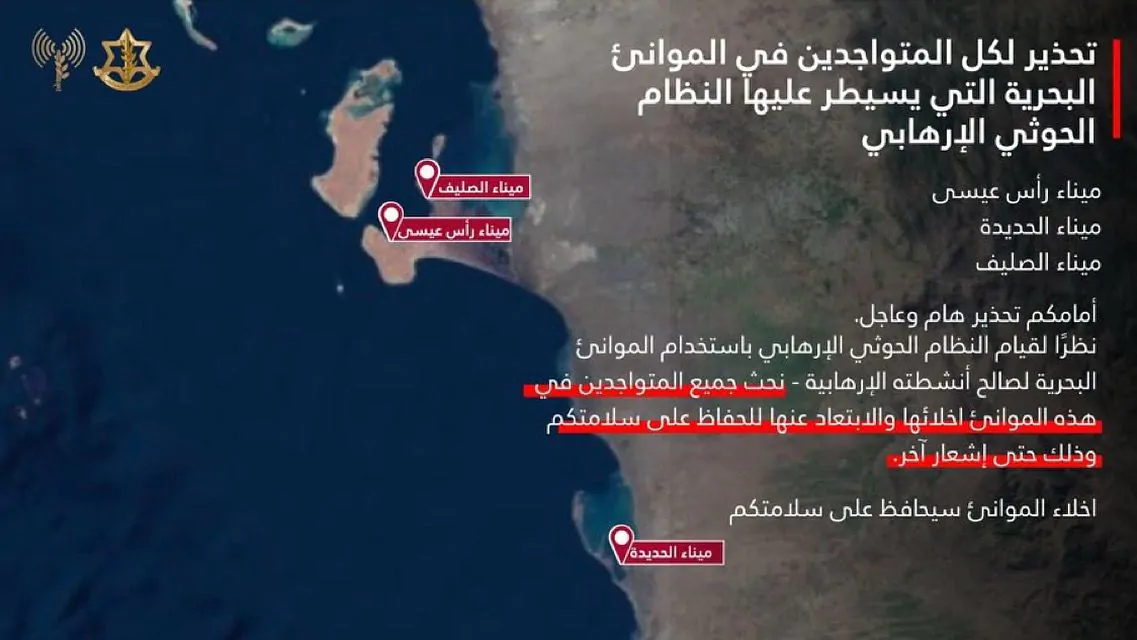
Just hours after Israel intercepted a missile launched from Yemen on Wednesday morning, the IDF issued an urgent evacuation notice to all individuals in Houthi-controlled seaports.
The message, released in Arabic by IDF Spokesperson Lt. Col. Avichay Adraee, urged civilians to immediately vacate the ports of Ras Issa, Al-Hudaydah, and As-Salif. The warning cited “clear and present danger,” calling for immediate distancing from the area “until further notice.”
Ports as Terror Infrastructure
The IDF emphasized that the evacuation is a necessary step to protect civilian lives, citing the Houthis’ continued use of the ports for terrorist operations.
U.S. Announces Sudden Withdrawal from Yemen Campaign
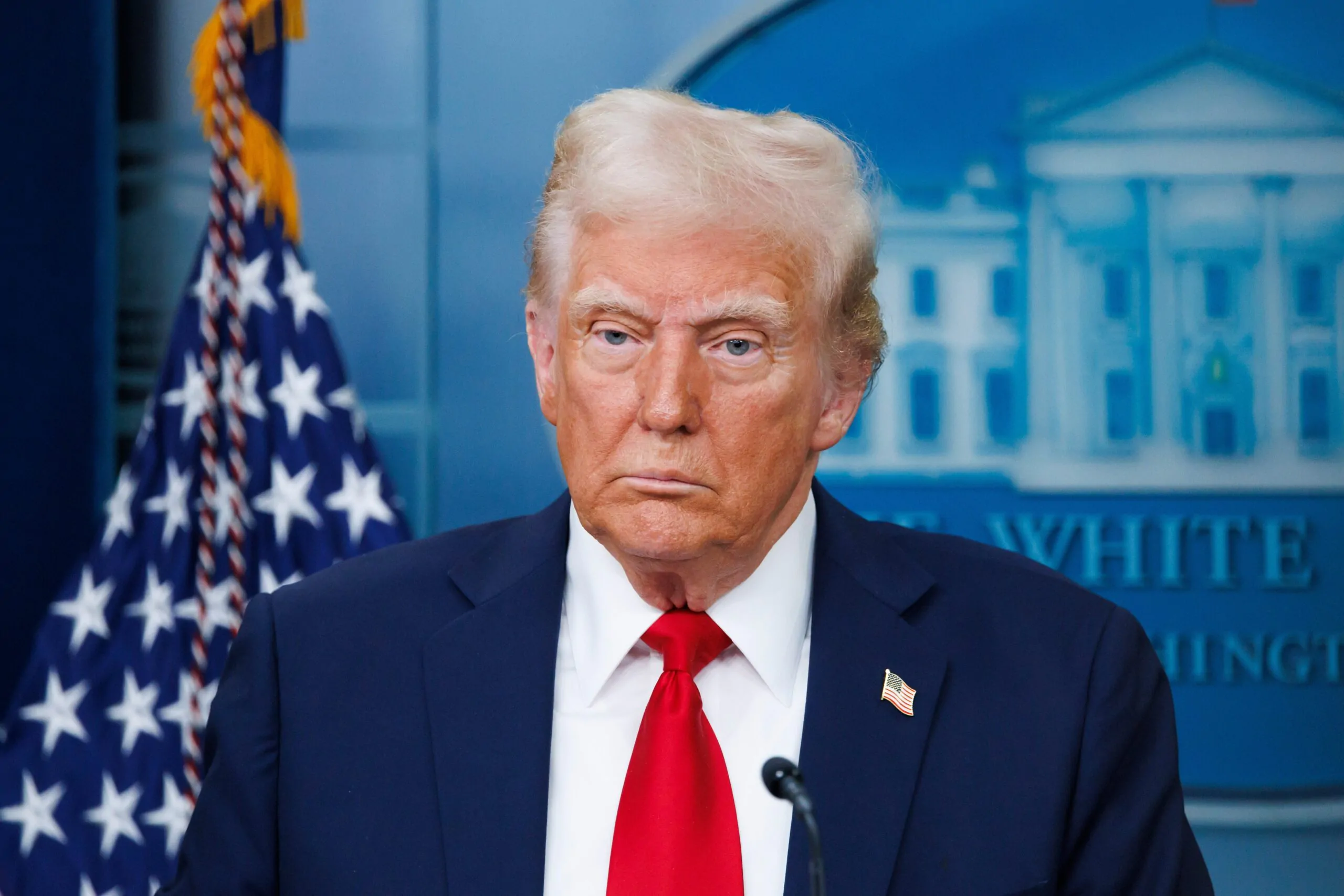
In a dramatic shift, U.S. President Donald Trump recently declared the end of the American military campaign against Yemen’s Houthi rebels, proclaiming victory—but beneath the surface lies a far more complex picture.
A New York Times report revealed that after roughly 30 days of intense airstrikes and significant financial investment, Houthi militants continued to launch missiles and carry out maritime attacks. President Trump, long opposed to prolonged military entanglements in the Middle East, reportedly chose to end the offensive to avoid escalation and financial drain.
Soaring Costs, Limited Results
The campaign came at a steep price. Two U.S. Navy F/A-18 Super Hornets—each valued at $67 million—were lost in an operational accident. The Houthis also downed several MQ-9 Reaper drones and struck American vessels in the Red Sea. The operation’s first month alone cost an estimated $1 billion. Sources within the administration say Trump, frustrated by the lack of swift results, faced mounting pressure from CENTCOM and senior advisors. Concerned about draining resources from other strategic fronts—particularly in the Asia-Pacific—he decided to halt offensive operations.
Iran Talks Key to De-escalation
While military operations were underway, American representatives—through Omani mediation—engaged in nuclear negotiations with Iran. During the talks, Oman proposed an off-ramp: U.S. airstrikes would cease in exchange for a halt to Houthi attacks on American maritime targets.
In a move seen as pragmatic, Trump accepted the proposal, despite prior vows to dismantle the Houthi threat entirely. He even praised what he called the Houthis’ “courage,” a surprising turn from his earlier rhetoric.