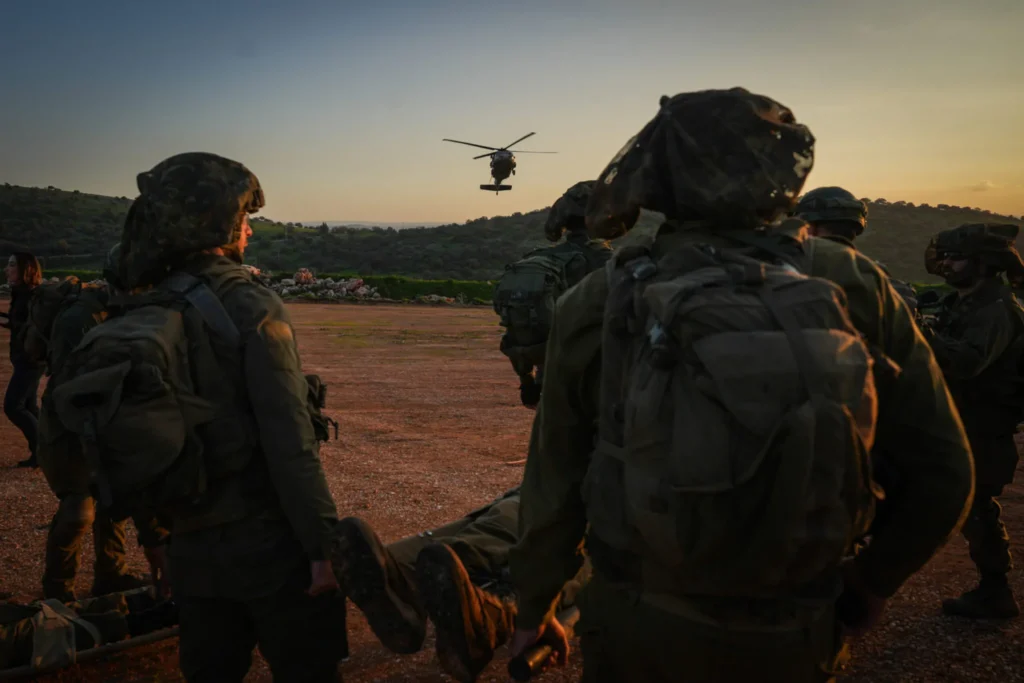
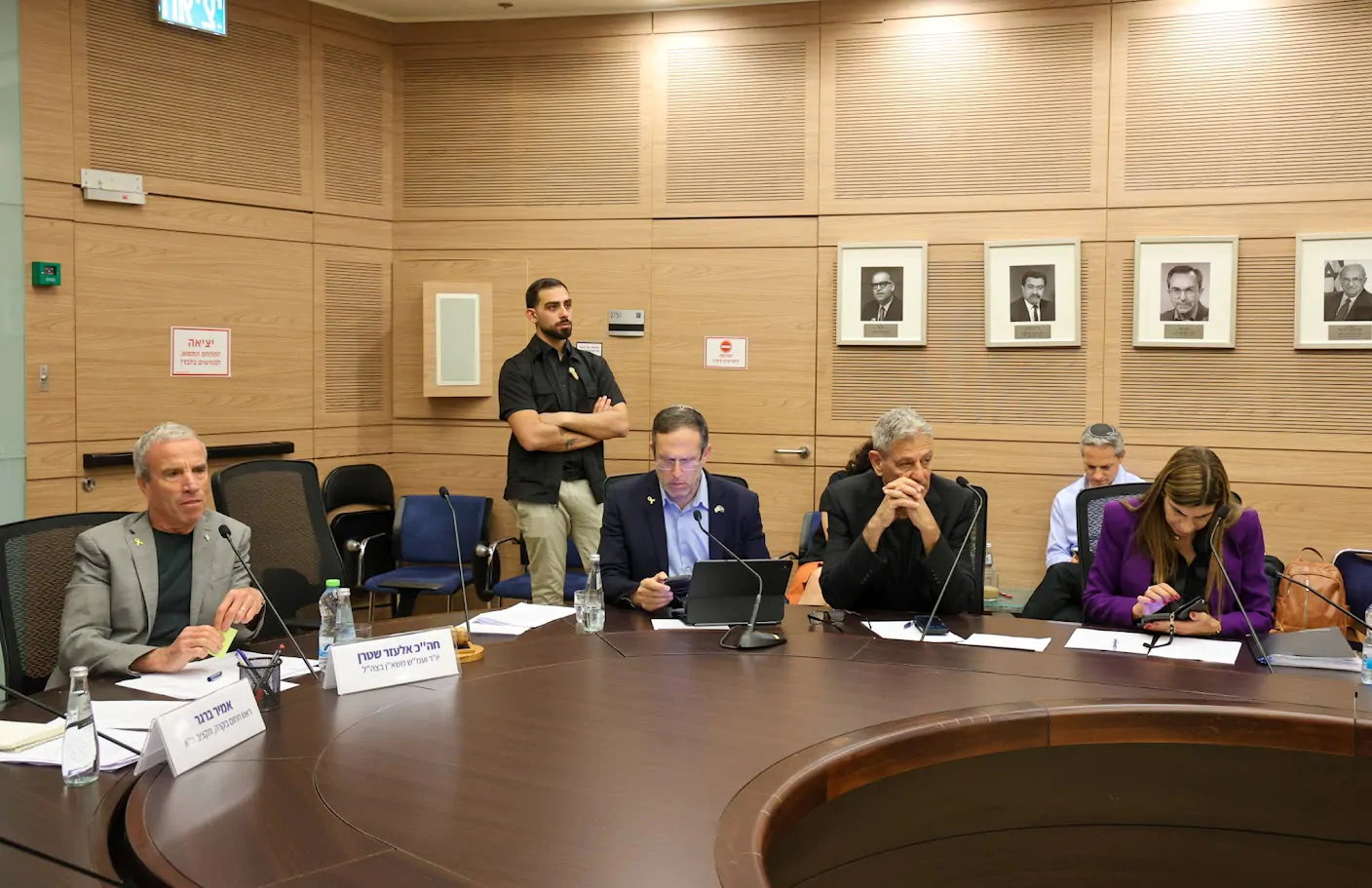
In a pivotal session held today (Wednesday), the Knesset’s Subcommittee on IDF Human Resources convened to address mental health recovery for Israeli reservists and their families. The discussion focused on systemic support for psychological resilience in the wake of traumatic wartime experiences.
Committee Chair MK Elazar Stern opened the session by underscoring the challenge: “We’re talking about invisible wounds—wounds that don’t get the attention or funding they deserve.”
We Must Treat Mental Health Like Any Other Injury
The committee addressed a long-overdue and sensitive issue that many have historically hesitated to confront. “We treat this as we would any physical injury,” Stern emphasized. “These are our best and brightest, and they carry this burden—along with their families—long after they’ve served.”
New Ministry Program Offers Early PTSD Screening
Hagit Oren-Most, head of the Resilience and Prevention Division at the Ministry of Defense, introduced a new initiative: Project Amit. Developed to proactively reduce post-traumatic stress, the program is offered to all reservists and includes an app-based self-assessment tool. If the system flags warning signs, the reservist is referred for treatment.
Each eligible participant receives up to 12 free therapy sessions, access to alternative therapies, and group support. Launched in December 2024, the program has been downloaded by 218 out of roughly 300,000 reservists. Funded with 100 million shekels, only 30% of the budget has been utilized thus far.
Broader Scope for Wounded Veterans
Lt. Col. Inbar Sitbon, head of the Department for the Wounded and Disabled, explained the unit was established in direct response to the current war. “Our goal is to expand the scope of responsibility—not just for those injured physically, but for those suffering psychologically and officially recognized as disabled veterans,” she said.
According to Sitbon, 17,000 new cases have been registered since the war began—10,000 physical injuries and 7,300 psychological. Of those, 2,300 suffer from both.
Reservist Commander: “Two Nights in a Hotel Isn’t Enough”
Raziel Barbi, a reserve company commander, described the toll on his soldiers after witnessing the collapse of buildings that killed 21 troops from his unit. “When I ordered my men to collect body parts—without even bags—it was an operational order with devastating psychological consequences,” he said. “As a commander, it’s also my job to make sure they recover. Just as we lead them into battle, we need to guide them down a path of mental healing once they return.”
He criticized superficial recovery programs: “A couple of nights at a hotel is nice—but it’s not real help. These are the best people in the country. They want to come out of this stronger. I’m asking: where’s the deep treatment? Weekly 45-minute sessions aren’t enough. We need intensive, week-long therapeutic capsules to prevent trauma from becoming PTSD.”
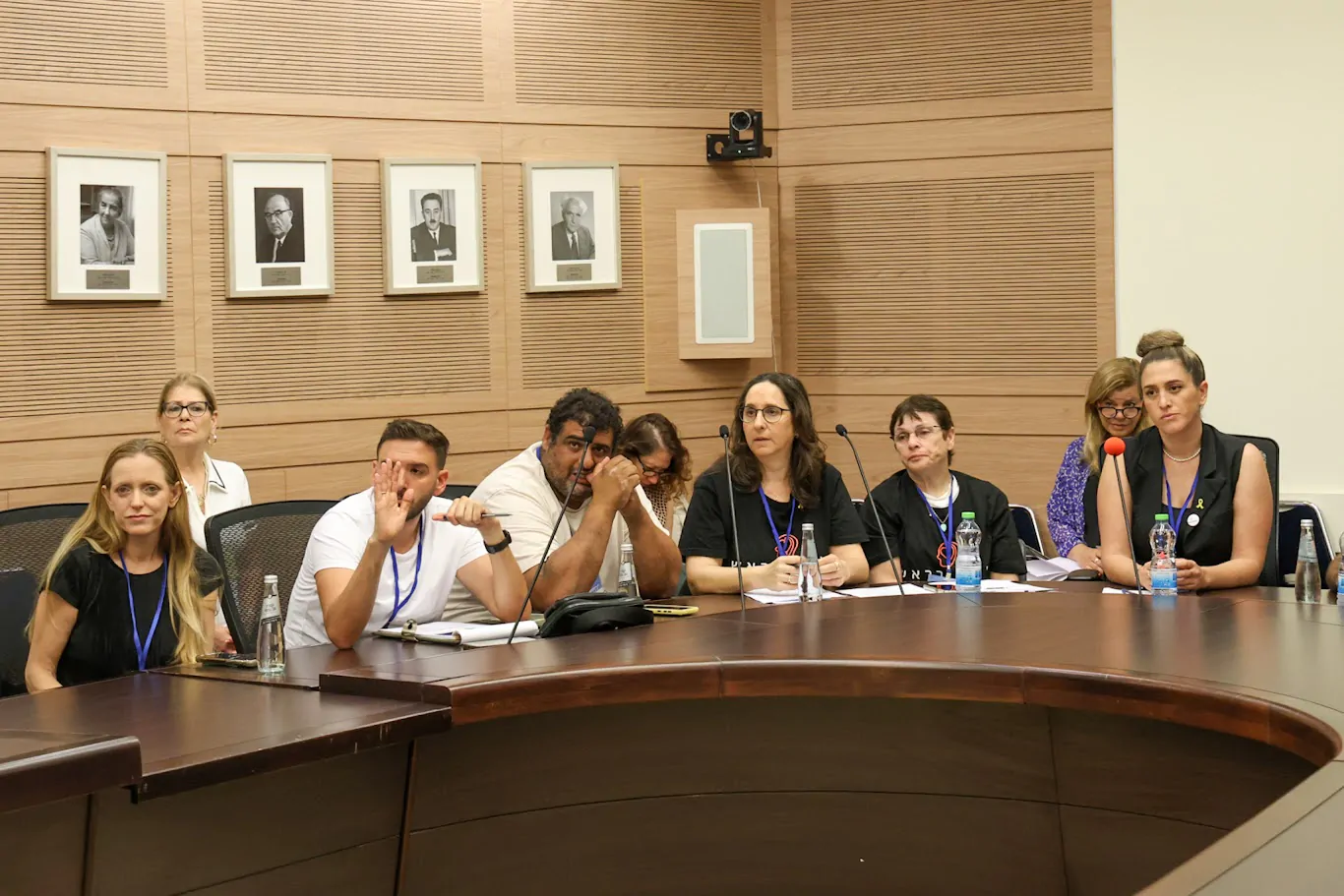
No Greater Value Than What’s Around This Table
Chairman Stern concluded the session with a powerful statement: “There is no value more sacred than what we’ve heard around this table. If only the draft law discussions sounded like this—acknowledging the weight of service and the state’s responsibility to those who bear it.”