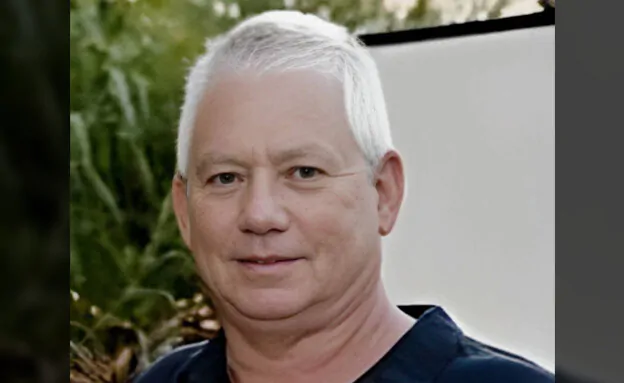


The release of Israeli soldier Idan Alexander, who was abducted by Hamas, came after weeks of clandestine diplomacy involving Palestinian-American intermediaries, senior Hamas officials, and backchannel coordination with the United States. According to a report by Lebanon’s Al Mayadeen news outlet, the key turning point was a covert dialogue between Palestinian-American activist Bshara Bahbah and Hamas politburo member Ghazi Hamad.
The Secret Message from Hamas
In an interview with Israel’s N12, Bahbah detailed how the negotiations unfolded: “Someone from Hamas contacted me and said they were willing to release all hostages in exchange for a ceasefire,” he said. “They asked me to pass the message to U.S. officials, which I did. Honestly, if I were in Steve Witkoff’s shoes, I would’ve wondered, ‘Who is this guy and who does he represent?’ And I understand that reaction.”
Bahbah claims it was Steve Witkoff, the Jewish-American businessman close to President Donald Trump, who proposed the idea of releasing Idan Alexander as a gesture of goodwill. “Steve suggested they release Alexander as a sign of good faith. That was around the third week of April, and since then, we’ve been in continuous negotiation,” Bahbah said. “Much of the effort was focused on Idan’s release as a signal to President Trump—knowing that he would then use his influence to press for a ceasefire and for desperately needed humanitarian aid to enter Gaza.”
עוד באותו הנושא
- Israel Strengthens Global Alliances Amid Regional and International Challenges
- Beyond the Conventional: Haredi Soldiers and Wives of Warriors Stand with the IDF
- Hostages No More: IDF Returns Two Fallen Heroes from Gaza in Daring Operation
- Freed Hostage Turns Her Pain Into Strength at the UN Security Council
Behind the Scenes: Key Players and Quiet Diplomacy
According to Al Mayadeen, Suha Arafat—the widow of former Palestinian President Yasser Arafat—was instrumental in opening the communication channel. She introduced Bahbah to Ghazi Hamad of Hamas, initiating the dialogue. It was also reported that Bahbah received formal authorization from the U.S. government to engage in talks with Hamas, which ultimately led to the breakthrough and Alexander’s release.
Secret Meetings in Washington
A senior Palestinian official told Al Mayadeen that talks between the U.S. and Hamas began as early as February, when Trump associate Adam Boehler met with Hamas-affiliated intermediaries. The discussions focused on persuading Hamas to release Alexander and on Washington’s potential role in brokering a ceasefire. Boehler’s close friend, Palestinian businessman Bashar al-Masri, coordinated key meetings with Hamas leaders, including Bassem Naim, Osama Hamdan, and Taher al-Nounou. A follow-up session was held with Khalil al-Hayya, also attended by al-Masri.
Stalled Deal and Hamas Demands
According to N12 and other sources, Washington initially demanded Alexander’s release in return for a U.S. commitment to work toward ending the war. Hamas, however, insisted on the release of 250 Palestinian prisoners in exchange. President Trump aimed to finalize the deal before his “State of the Union” address, but Israeli objections and criticism of Boehler’s involvement reportedly derailed the effort. A senior Palestinian official said that Israel refused to cooperate with the early talks, but communications resumed in late April through Bahbah.
“Qatar and Egypt pushed Hamas to accept the American proposal in exchange for a tacit U.S. pledge to play an active role in ending the war,” he added.
Watch: Emotional reunion between Idan Alexander and his family:
יעל בכתה, האח הקטן צעק: "איך גדלת!" – כך נראה השחרור של עידן (צילום: רועי אברהם, לע"מ) pic.twitter.com/RdpmR20vHM
— דסק רגע (@deskrega) May 13, 2025