
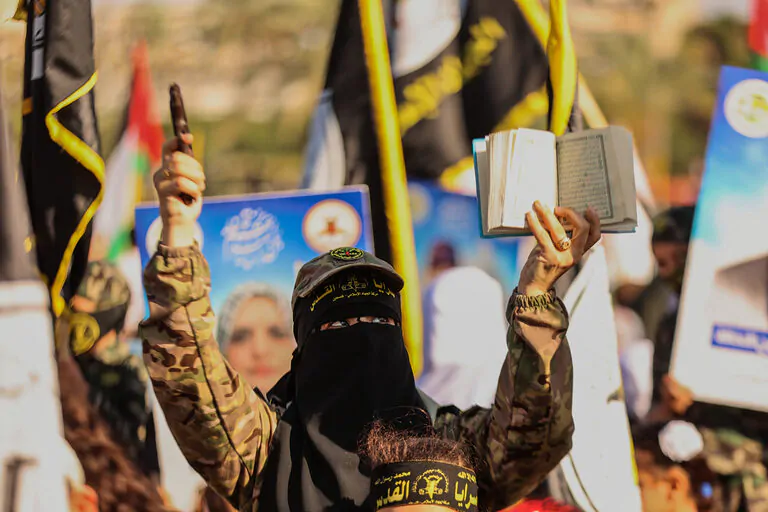
Two months before Hamas’s October 7, 2023 massacre, Israel launched Operation Shield and Arrow against the Palestinian Islamic Jihad (PIJ) in the Gaza Strip. The operation officially began on May 9, 2023, and concluded in a ceasefire agreement on May 13. A moment that is both historic and timely.
The trigger: A terrorist dies in Israeli prison
During Shield and Arrow, the IDF eliminated six senior PIJ commanders and over 19 additional operatives. Hundreds of targets were struck, including rocket stockpiles, launchers, and command centers. PIJ fired more than 1,400 rockets and missiles at Israel—about one-fifth of which misfired. The Iron Dome intercepted over 430 rockets with a 95% success rate, and David’s Sling carried out two successful interceptions.
On May 2, 2023, Khader Adnan, a PIJ member, died in an Israeli prison after a prolonged hunger strike. Days earlier, military judge Lt. Col. Menachem Drori had ruled that Adnan would not be released, despite warnings about his deteriorating condition. In response to his death, PIJ terrorists launched 102 rockets toward Sderot and Israeli communities near Gaza. Despite several injuries, Israel held off on responding for a week. The operation began on Lag BaOmer—hence its name.
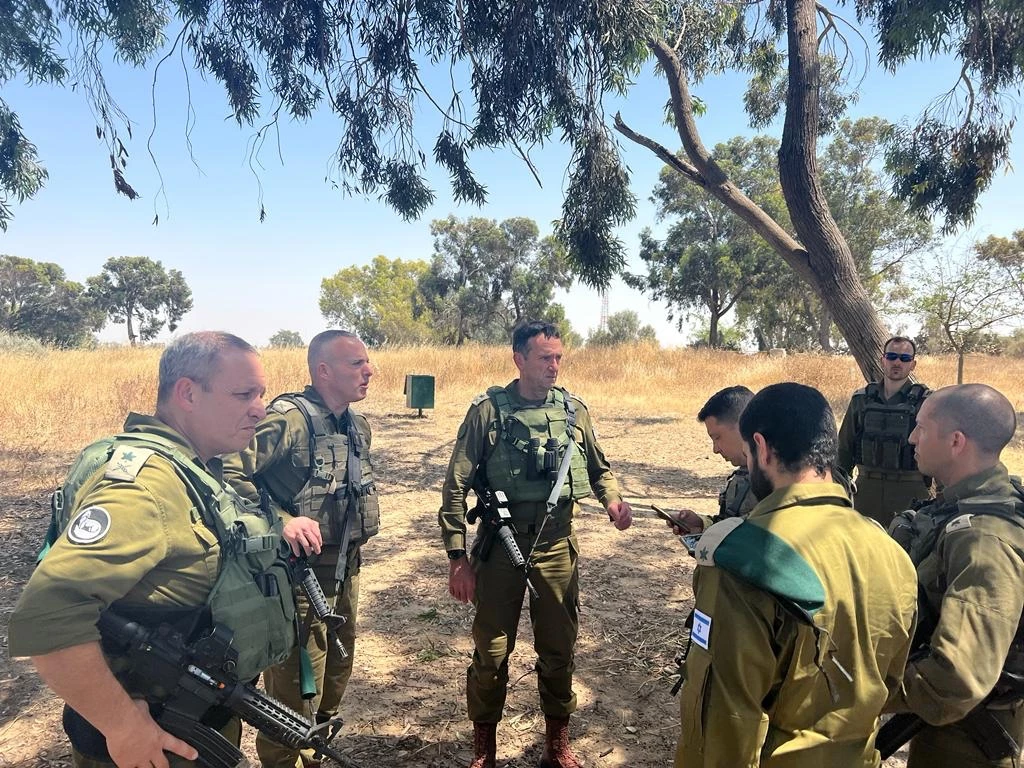
Daily Summary of Operation Shield and Arrow
May 9, 2023 – Day 1 of the Operation
At 2:05 a.m., the Air Force launched strikes on terror targets in Gaza. Three senior PIJ commanders—Khalil al-Bahtini, Jihad Ghanam, and Tarek Ezzedine—were killed, along with ten others, including family members and neighbors. Following the strikes, a special emergency status was declared in communities near Gaza, roads were closed, and gathering restrictions were imposed. Later that day, the Air Force struck anti-tank squads and killed two terrorists.
May 10 – Day 2 of the Operation
A terrorist cell in Khan Younis was hit in an airstrike, and weapons production facilities were destroyed. Rocket barrages began later in the day, targeting Tel Aviv, Ashdod, and other areas. Most rockets were successfully intercepted by Iron Dome. Despite reports of a possible ceasefire that evening, Israel denied them and continued the operation. That day, 469 rockets were fired—333 crossed into Israeli territory, and 153 were intercepted.
תיעוד של יירוטי כיפת ברזל במהלך מבצע “מגן וחץ”: pic.twitter.com/fJ1nGKm1St
— צבא ההגנה לישראל (@idfonline) May 13, 2023
May 11 – Day 3 of the Operation
Overnight, the Air Force targeted northern Gaza, killing three senior PIJ members, including Ali Hassan Ghali. Rocket fire resumed in the morning, while airstrikes continued against launch pits and command posts. In the evening, an 80-year-old woman was killed by a rocket in Rehovot, and 16 civilians were injured. The Navy joined the operation, and the IDF killed Ahmad Abu Daqqa, deputy commander of PIJ’s rocket force.
May 12 – Day 4 of the Operation
A total of 866 rockets were identified—672 crossed into Israeli territory, and 260 were intercepted. Strikes continued throughout the day, while rocket fire targeted the Jerusalem Hills and Beitar Illit. The IDF eliminated Iyad al-Hassani, head of PIJ’s operations division. That evening, more strikes were carried out against rocket launchers and military positions in Gaza, and additional barrages were launched at Sderot, Ashkelon, and Ofakim.
May 13 – Day 5 of the Operation
On the final day of the operation, rocket fire resumed in the morning toward the Gaza border region and Ashkelon. The IDF continued targeting rocket launchers. In the afternoon, more barrages were fired at southern and central Israel, and several workers were injured by mortar fire. Negotiations for a ceasefire progressed throughout the evening, and the ceasefire went into effect at 10:00 p.m.
After the ceasefire
Rocket fire from Gaza continued for about 13 minutes after the ceasefire took effect, triggering more sirens. In response, the IDF struck PIJ launch sites in northern Gaza. The head of the National Security Council later announced the end of the round of fighting. However, the IDF continued its strikes following further rocket launches. Between 10:00 and 11:11 p.m., around 37 rockets were launched—12 were intercepted by Iron Dome, 16 fell in open areas, and the remainder landed inside Gaza.
Shortly after midnight, the IDF carried out further strikes in Gaza in response to post-ceasefire rocket fire. Roughly 20 hours later, PIJ violated the ceasefire again with a single rocket launched toward Zikim, Netiv HaAsara, and southern Ashkelon. It landed in an open area without causing injuries or damage. Palestinian sources claimed it was a technical malfunction. In response, the IDF struck Hamas targets in northern Gaza.
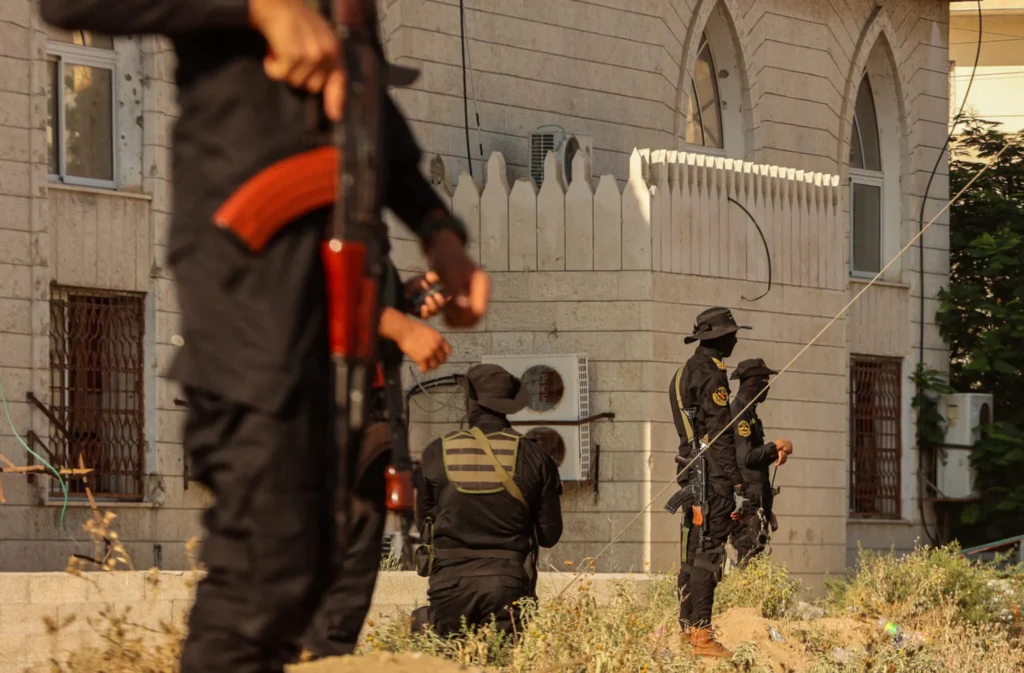
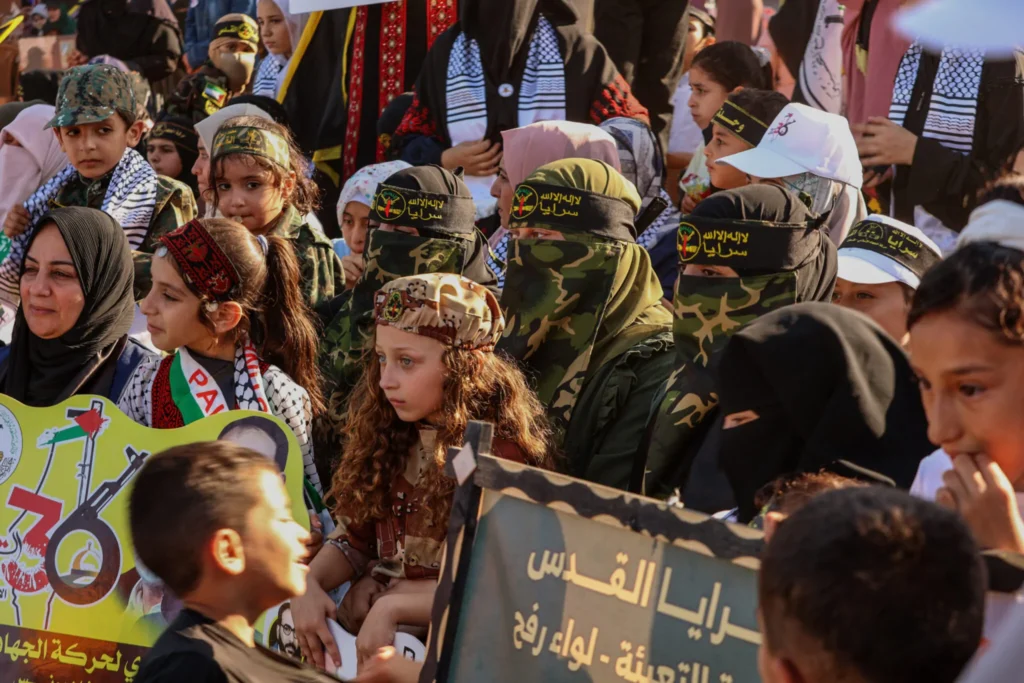
What can we learn from this?
What the War of Independence and the Six-Day War had in common is that their outcomes were decisive—Israel won definitively. True, they could have ended even more favorably (such as avoiding the War of Attrition, which we won’t go into here), but the enemy was clearly defeated. In contrast, the Yom Kippur War ended with each side claiming victory. Since Operation Peace for Galilee—initially promising but ultimately a failure in the First Lebanon War—Israel has not achieved a total victory in any war or military campaign.
The Second Lebanon War, and Operations Cast Lead, Pillar of Defense, and Protective Edge all ended in an illusion of quiet. It was obvious another round was only a matter of time—not a question of “if,” but “when.”
In 1948 and 1967, the sword was at our throat—we feared a second Holocaust. Over time, we became more complacent—perhaps even tired of war and mourning. We withdrew behind fences and walls, forgot our surroundings, and chose temporary calm. This fostered a tendency to avoid decisive outcomes. When civilians focus on protecting soldiers instead of trusting soldiers to protect civilians, we create a situation that prevents military victory. The result is the opposite: repeated rounds of fighting, growing costs, and rising numbers of casualties.
After over a year and a half of war since the massacre, the question remains—can we afford to continue this cycle? It’s time to revive our concept of victory—of decisive resolution. It’s time for total victory.