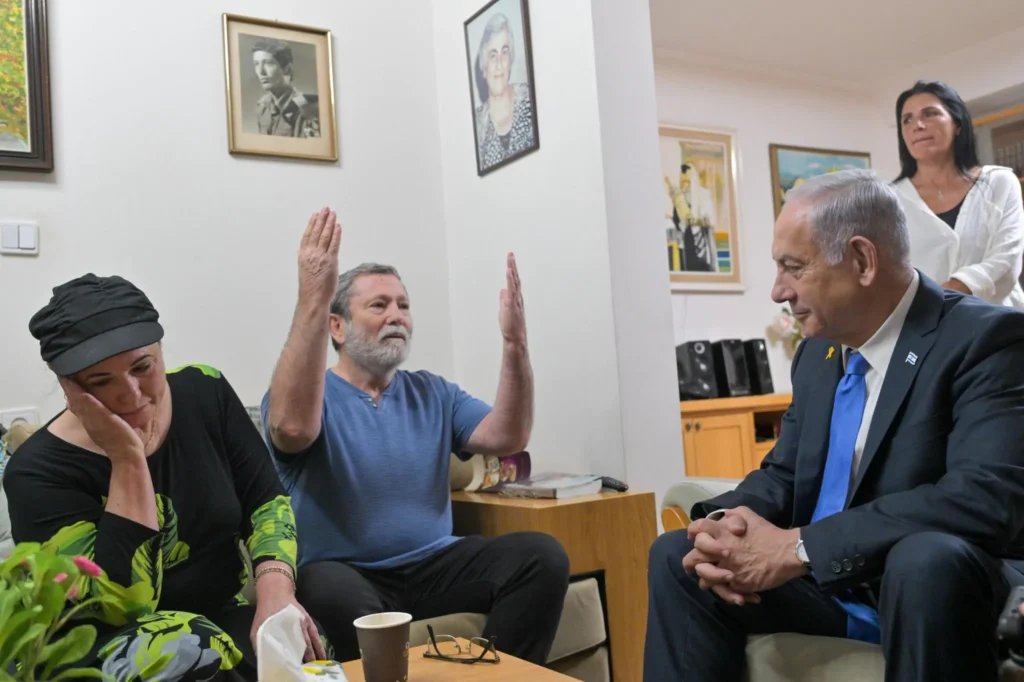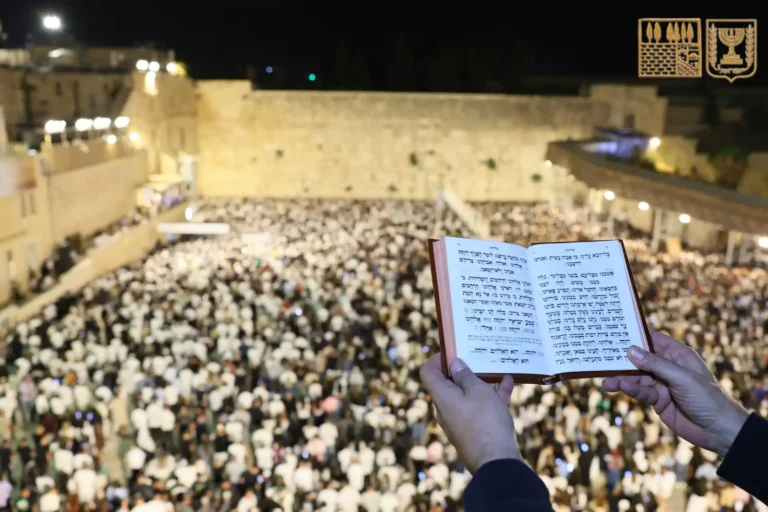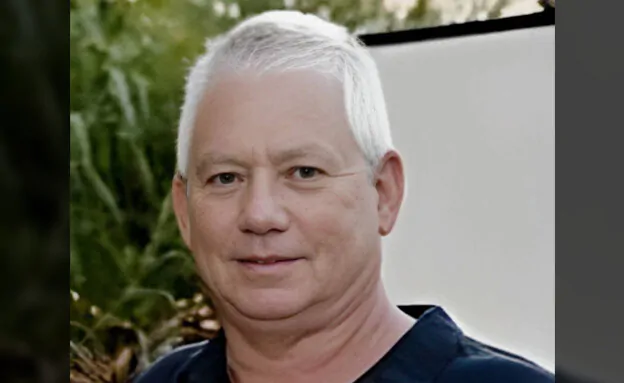
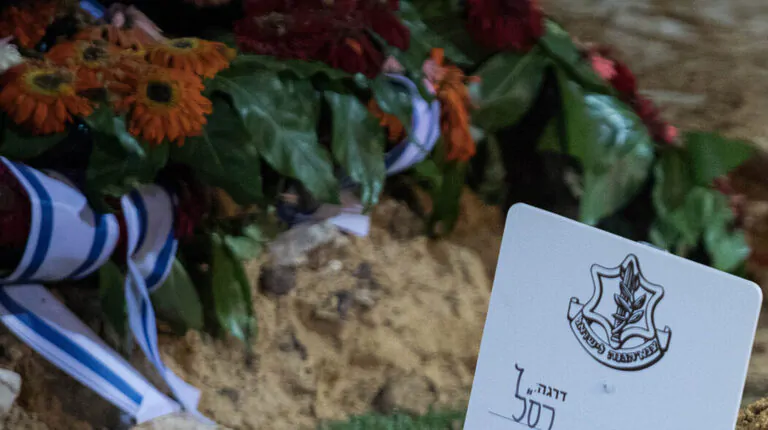
The body of Sergeant First Class Zvi Feldman z”l, missing since the Battle of Sultan Yacoub, has been returned to Israel, Prime Minister Benjamin Netanyahu announced this morning (Sunday). After 43 years of waiting, a complex operation led by the Mossad, the IDF, and the ISA (Shin Bet) has brought closure to his family and to the State of Israel.
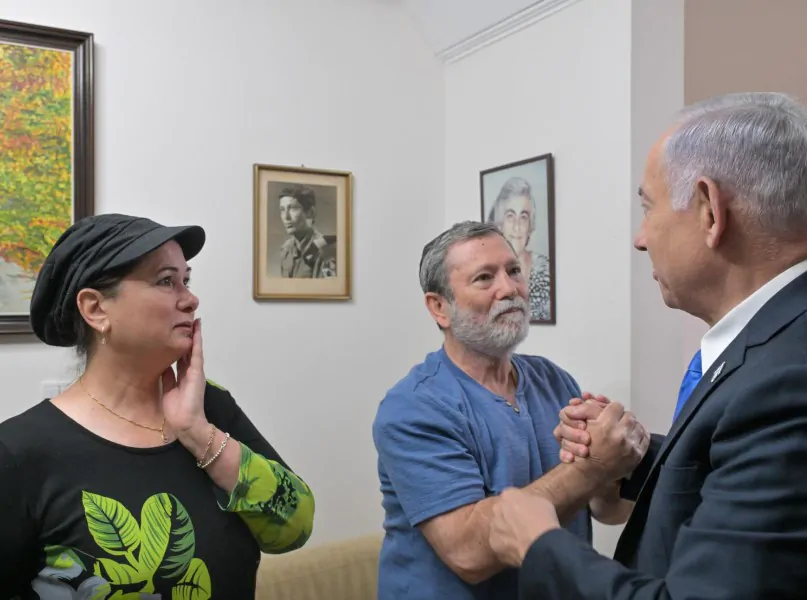
Zvi Was Planning His Wedding and Close to Discharge
Zvi Feldman was born in Tel Aviv in 1956 to Pnina and Avraham Feldman, Holocaust survivors from Auschwitz. He was the eldest of four siblings and was named after his grandfather, who was murdered in the Holocaust. Before the First Lebanon War broke out, Zvi worked as a nature guide, had been accepted to university, and was preparing for his wedding.
When the war began, Zvi joined his friends and served as part of a tank crew alongside tank commander Hezi Shai and driver Zechariah Baumel. He was sent into battle at Sultan Yacoub just ten days before his scheduled discharge from the army. The battle took place only a few hours before a ceasefire was declared. By the end of it, six IDF soldiers were declared missing. For decades, Zvi was among those listed as missing in action.
Today, at last, his body was brought to burial in Israel.
The Battle of Sultan Yacoub – A Story to Remember
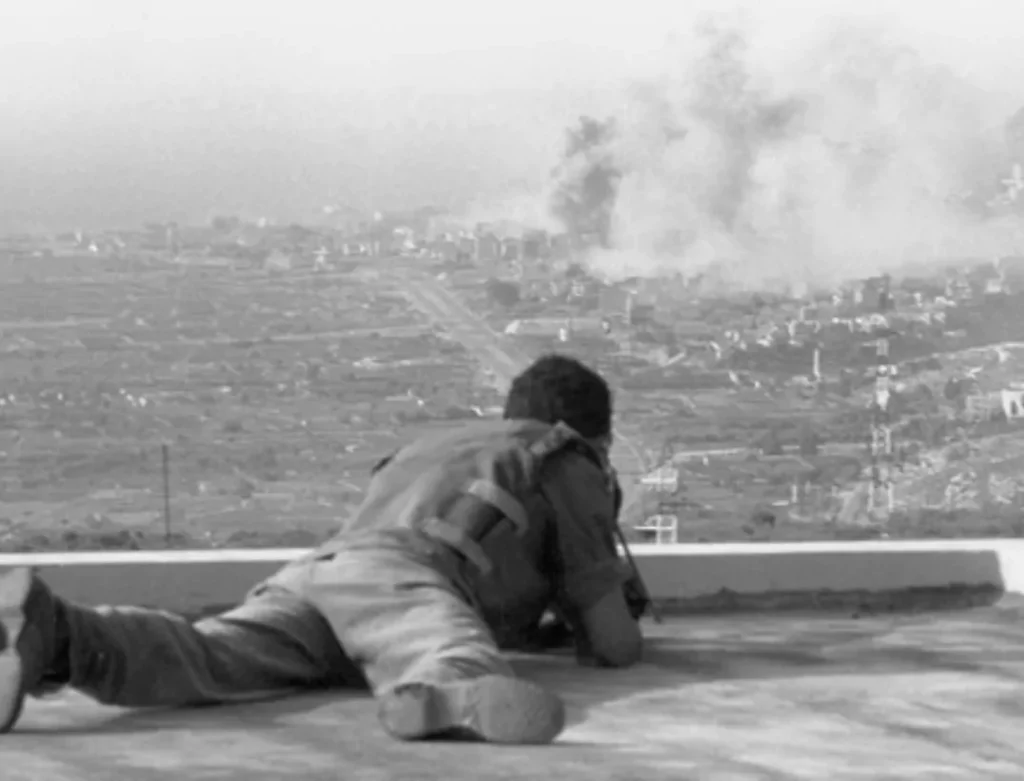
The Battle of Sultan Yacoub occurred during the night and morning of June 11, 1982 (20 Sivan 5742) — the sixth day of Operation Peace for Galilee and just hours before the ceasefire was to take effect. The battle took place in the mountainous Beqaa Valley region of Lebanon, as the IDF sought to encircle retreating Syrian forces. Israeli troops clashed with the Syrian army near a key junction south of the village of Sultan Yacoub, and around the main supply route in the “Little Beqaa” area east of Jabal Arba and the northern ridge extending from it — along the route code-named “Micha” in IDF maps.
The battle unfolded in two main stages:
Stage One – The Ambush
Battalion 362 entered a heavily fortified Syrian position. The Israeli forces had advanced under the mistaken belief, based on faulty intelligence, that the area was empty.
With a ceasefire scheduled for Friday, IDF commanders aimed to secure a foothold on the Beirut–Damascus highway in advance. On Thursday evening, June 10, 1982, General Avigdor Ben-Gal ordered Division 90 to arm, and prepare to move out at dawn. Brigade 399 was tasked with advancing and seizing “Micha 40.” Battalion 362’s orders reported a Syrian retreat and a clear route — but the intelligence was false and misleading. Brigade 399 began its movement north at 8:00 p.m., advancing slowly rather than at the intended pace. At one point, the Israeli force encountered vehicles thought to be Syrian. Upon inspection, they were identified as a friendly Israeli unit that had veered off course — narrowly avoiding a tragic friendly fire incident.
Later that night, under pressure from Corps Commander Ben-Gal to increase speed, Battalion 362 continued along the Micha route but came under mistaken fire from tanks of Brigade 943, who misidentified them as Syrian. Two tanks were hit and five Israeli soldiers were killed. Despite this, the battalion pressed on, took new positions, and descended into a low-lying area where they came under short-range Syrian anti-tank and small-arms fire. Under heavy fire, the battalion commander ordered the troops to break forward toward higher ground to escape the ambush.
Stage Two – The Extraction
Israeli reinforcements from an armored brigade arrived, and a fierce battle ensued from midnight until 10:00 a.m. The eventual withdrawal of the Syrian brigade allowed Battalion 362 to extract itself.
As the Israeli force moved eastward, it came under anti-tank missile fire from buildings along the road, likely from Syrian teams using Sagger missiles mounted on BMP armored vehicles. The Syrians appeared surprised by the Israeli presence and may have mistaken the tanks for retreating Syrian forces. Some missiles missed due to close range, but the heavy fire disrupted movement. Attempts to push forward failed, and the commander ordered a regrouping with the front of the battalion, but heavy fire prevented this. Another extraction attempt also failed, and a damaged tank was evacuated on foot by its crew.
The battalion commander appealed to brigade headquarters for help in rescuing the rear units. Battalion 363 was sent north to assist, but its lead tank was hit and the company commander injured. One of the companies faced night attacks and eventually withdrew in the morning under covering fire . Syrian forces continued attacking at close range, but Israeli machine gun and mortar fire repelled them. A barrage of heavy artillery launched at dawn allowed the trapped Israeli force to retreat under fire. During the retreat, four soldiers were killed and six wounded.
Aftermath
The outcome of the battle was difficult for the IDF. The goal of breaking through to the Beirut–Damascus highway had not been achieved. In total, the IDF suffered 22 soldiers killed, over 30 wounded, two captured, and one still missing, along with the loss of dozens of armored vehicles. Hezi Shai was later released in the Jibril Agreement. Ariel Lieberman and the body of Zohar Lifshitz were returned in a prisoner exchange. The bodies of Zechariah Baumel (in 2019) and Zvi Feldman (in 2025) were recovered after many years. Yehuda Katz remains missing.