
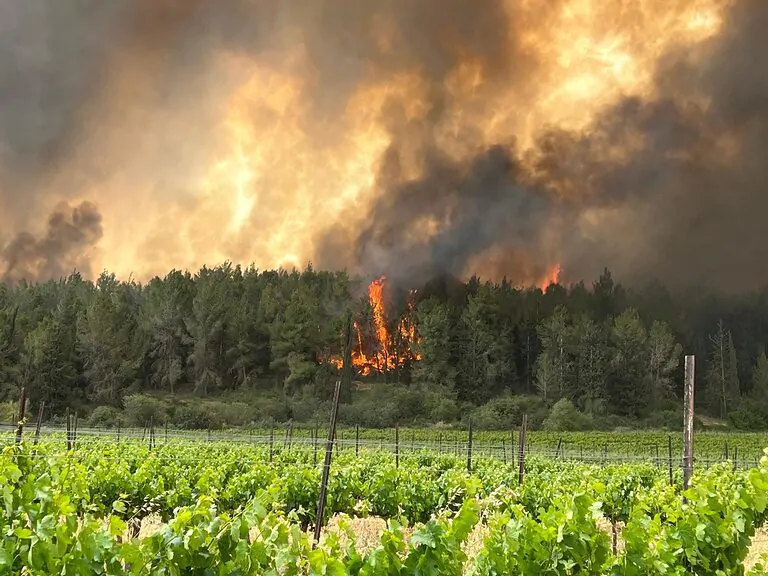
Ahead of Lag B’Omer, Jewish National Fund (KKL-JNF) announced on Thursday a total ban on lighting bonfires in forests, picnic sites, and open areas. The decision comes in light of the anticipated heatwave, which significantly increases the risk of wildfires.
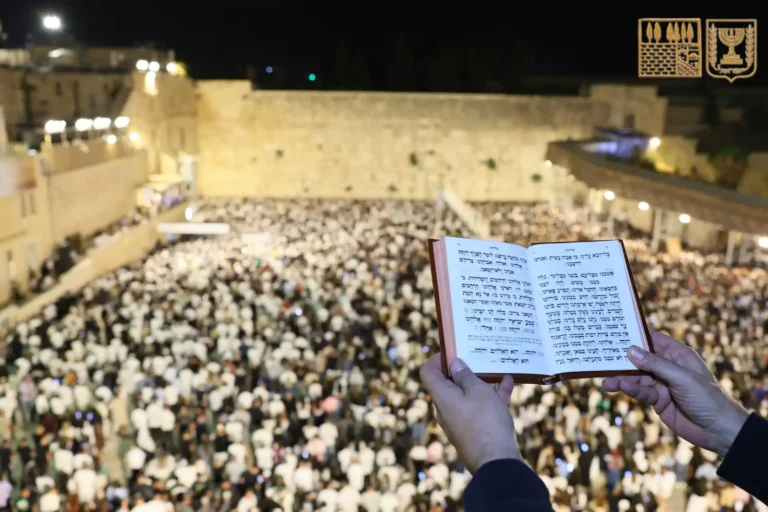
Lag B’Omer is a traditional Jewish holiday celebrated on the 33rd day of the Omer counting period between Passover and Shavuot. It is marked with bonfires, festive gatherings, and pilgrimages—especially to Mount Meron, where many commemorate the yahrzeit (day of passing) of the sage Rabbi Shimon bar Yochai.
The order, which goes into effect today (May 9), will remain in place for one full week, through midnight on Sunday, May 18. The restriction applies across the country out of concern for large-scale fire outbreaks.
KKL Warning: Extreme Risk of Ignition
Rami Zaritsky, KKL’s National Emergency Fire Protection Officer, explained the main concern: “This year, we’ve already experienced massive wildfires. In a matter of seconds, flames have turned lush green landscapes into blackened fields, and the recovery process will take years. The current heatwave greatly increases the danger of ignition. That’s why we’re urging the public to completely avoid lighting bonfires in KKL-managed areas this Lag B’Omer.”
The JNF is calling on the public to follow the guidelines and celebrate Lag B’Omer safely and in an environmentally responsible way, by fully refraining from lighting fires in forests and open areas.
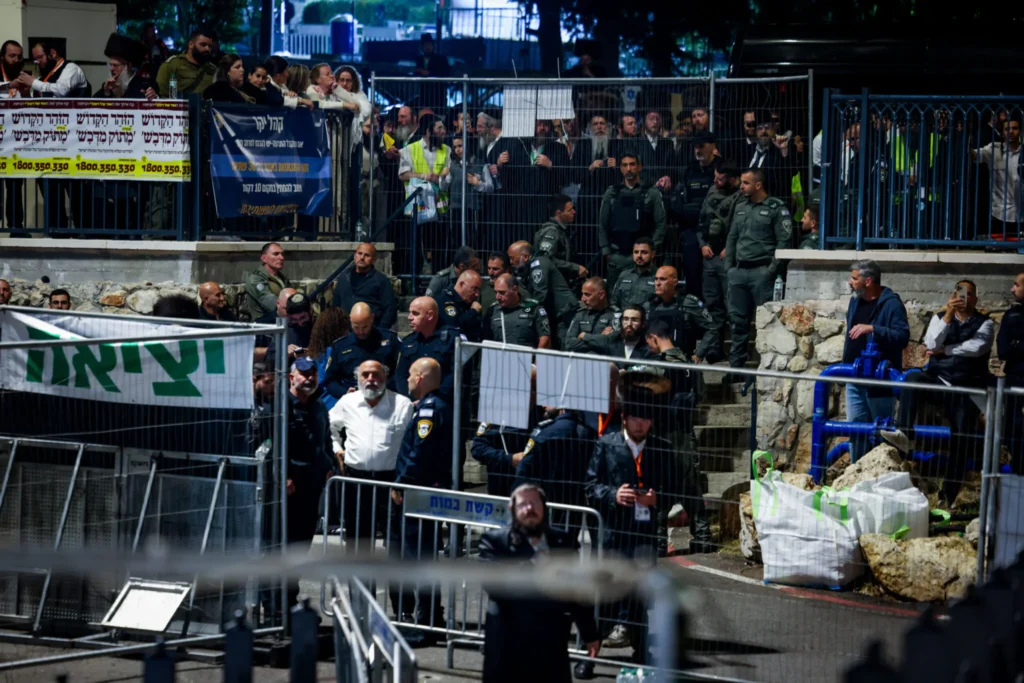
This announcement comes alongside additional warnings issued by security and emergency services ahead of the holiday, all aimed at preventing dangerous incidents and ensuring public safety and the protection of natural areas.