
Following the rocket attacks and Israel’s military response, Lebanon is taking unusual measures against terrorist organizations—foremost among them Hamas—including arrests, investigations, and extraditions. This shift reflects growing recognition in Lebanon that such actions not only harm Israel, but also destabilize Lebanon itself.
A new Middle East
The Lebanese army announced today (Monday) that it had arrested a terrorist involved in the March rocket fire toward Israel, after he was handed over to them. He joins another operative who was handed over and arrested yesterday—also involved in rocket attacks on Israeli territory.
According to the Lebanese army’s statement, both terrorists were handed over from the Ain al-Hilweh refugee camp, the largest Palestinian refugee camp in the country, located southeast of the city of Sidon in southern Lebanon.
Rocket fire on Israel and Israeli response
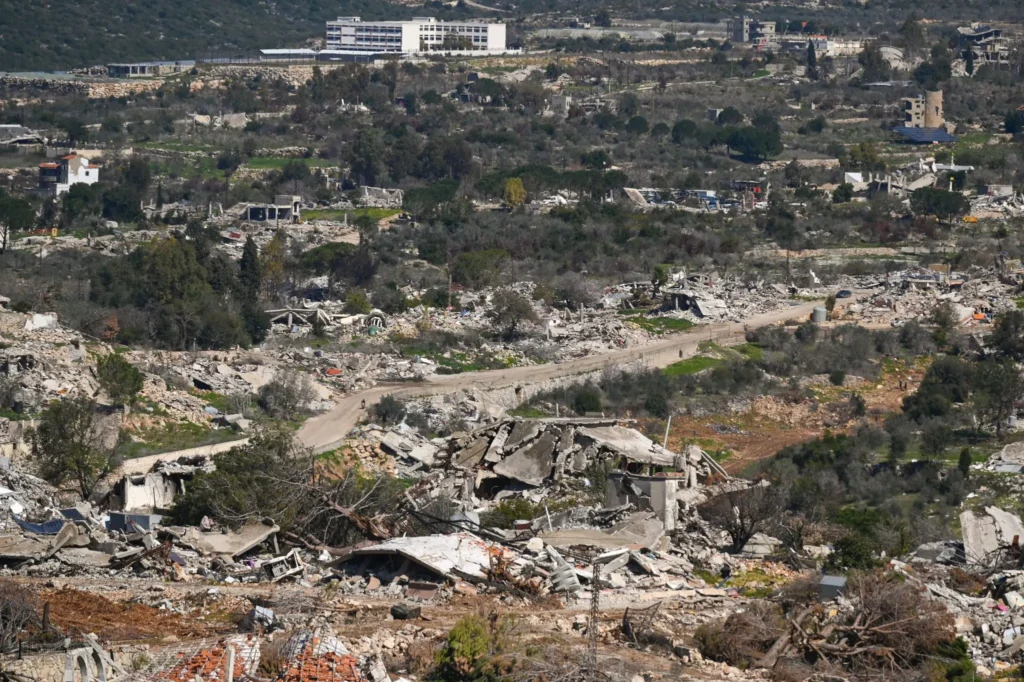
In March, several rockets were launched at Israel from Lebanon. On March 22, a barrage of six rockets was fired at Metula—three fell inside Lebanese territory, while the other three were intercepted by the Iron Dome system. About a week later, two additional rockets were fired toward the Kiryat Shmona area—one landed in Lebanon, and the other was intercepted mid-air.
In response, the Israeli Air Force struck targets in Lebanon—including sites within Beirut itself. These strikes made clear to the Lebanese government that armed Palestinian factions operating from inside its territory, in direct contradiction to Lebanon’s national interests, pose a threat to Lebanese civilians and could drive them from their homes—even in the capital.
Israeli deterrence is working
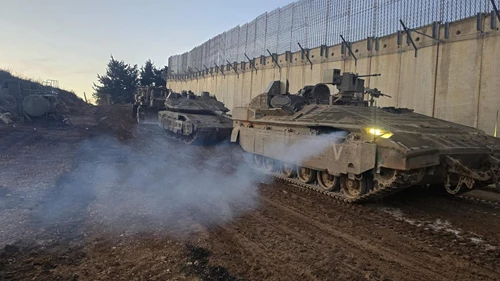
For Lebanon, this marks a new reality. For years, Hezbollah has maintained near-sovereign control in the south, enforcing a clear equation: any Israeli attack would be met with rocket fire deep into Israel.
That equation began to unravel when Israel launched Operation “Northern Arrows,” during which Hezbollah’s senior leadership was eliminated—including Nasrallah—and most of the group’s rocket infrastructure was destroyed. Within two months, Israel had dramatically transformed the northern front.
Last week, the newspaper Asharq Al-Awsat reported that the Lebanese government is advancing measures against Hamas, including an order for the group to hand over those involved in the attacks on Israel. The suspects were also linked to the storage of rockets and other weaponry, which was seized by the Lebanese army.
According to the report, “The Lebanese Army Intelligence Directorate—under judicial oversight—compiled a list of wanted Hamas members, based on interrogations of detainees connected to the rocket fire.”
This step aligns with growing calls to disarm all Palestinian organizations in Lebanon—a position that reflects the stance of President Joseph Khalil Aoun and the Lebanese government, which holds that all weapons in the country must be under the sole command of the army.
These reports are part of a broader initiative led by Beirut in recent years: to dismantle Hezbollah’s arsenal and reassert the state’s sovereignty. The president has emphasized that this disarmament will be pursued through direct dialogue with Hezbollah’s political leadership—not by force—in order to preserve Lebanon’s internal stability.