
One of the most defining features of the State of Israel is its rich culture—a mosaic of traditions, identities, and stories that come together to form a singular, colorful Israeli character. In honor of Independence Day, our reporting team shared their personal choices: what, to them, feels the most Israeli?
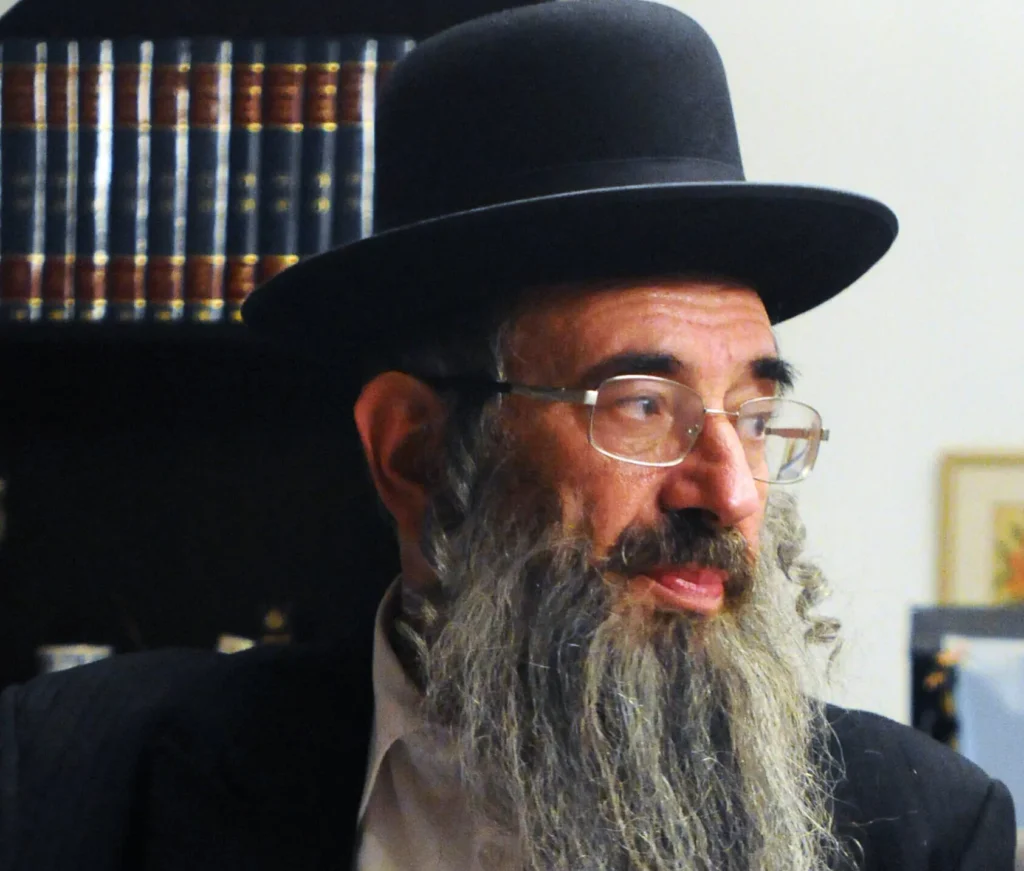
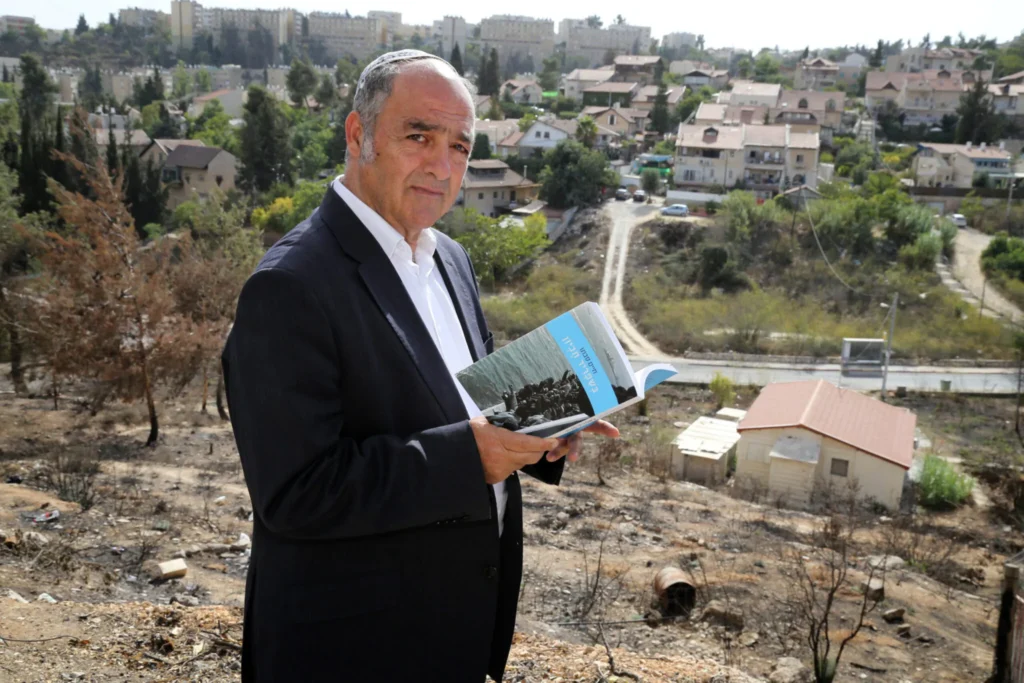
Most Israeli Personality – Rabbi Haim Sabato
Rabbi Haim Sabato is an Israeli author and spiritual leader, considered one of the most prominent voices in contemporary religious Hebrew literature. Born in Cairo to a family of Aleppan heritage, he immigrated to Israel at age five following the expulsion of Egyptian Jewry. His writing explores themes of Jewish identity, memory, tradition, and personal experience, expressed in rich, inspired language shaped by Jewish sources. His books have received widespread praise and prestigious awards, including the Sapir Prize. Sabato co-founded the “Birkat Moshe” Hesder Yeshiva in Ma’ale Adumim, where he continues to teach.
Elad Huminer, Deputy Editor: “I wrestled with this question—who is the most Israeli? It’s not easy to answer in only a few words. Ben-Gurion? Rabbi Yisrael Meir Lau? Maybe. But in the end, they’re towering figures—and extremes. So I went with something simpler: Rabbi Haim Sabato. Or rather—the writer and soldier Haim Sabato. After all, he’s also an immigrant from Egypt who experienced all the charm and chaos of old-school Israeli bureaucracy firsthand.”
“Rabbi Haim Sabato is deeply rooted in Torah, yet immersed in the Israeli Judaism that developed here in our land. In my view, his best-known book, Adjusting Sights, is like the man himself—quintessentially Israeli. It intertwines the tactical realities of war with that ever-present tension in our lives between being Jewish and being Israeli, especially in times of hardship.”
Most Israeli Custom – Sitting in Traffic
Yinon Farber, News Desk Chief: “To me, the most Israeli thing is getting stuck in traffic. That ‘custom’ where we’re all in our cars, rushing to do as much as we can—crossing the country, working, shopping, maybe even protesting. Next time you’re caught in a jam, try taking a moment to breathe and look inward—think about life, your dreams, your ambitions. Because despite all the difficulties, there’s a lot of good here too, alongside the bad.”

Most Israeli Song – “Chai” by Ofra Haza
“Chai” (“Alive”) was written by Ehud Manor, composed by Avi Toledano, and arranged by Nansi Brandes. The song represented Israel at the 1983 Eurovision Song Contest in Munich, Germany, and was performed by Ofra Haza, who led Israel to second place. Manor wrote the lyrics immediately after learning the contest would be held in Germany—the song became a proud and defiant declaration of Jewish survival in the face of those who tried to destroy us.
Aviad Schwartz, Culture Reporter: “Choosing a song wasn’t easy. I wanted something kids and teens would recognize, but that would also speak to adults. Then I asked myself: what song conveys Zionism and national pride—especially for older generations? ‘Chai’ does exactly that. The moment its melody begins, you immediately picture children in blue and white, dancing to it in kindergarten for Independence Day. That’s what makes it an Israeli song. Our national spirit is so deeply tied to it that even if you hum a few bars, you can’t help but imagine an Air Force flyover.”
Ofra Haza – “Chai” – Eurovision 1983 | Ofra Haza – Hi
Most Israeli Place – Eilat
Yoav Bauman, Reporter: “The most Israeli place to me is Eilat. It’s a warm, welcoming vacation town that, in my view, outshines many other popular holiday destinations. It represents Israel in a nutshell: there may be places with more dramatic landscapes or wild attractions, but Eilat—it’s ours.”

Most Israeli Movie – “Saving Shuli”
This 2021 Israeli comedy film stars the trio “Ma Kashur” and is based on a sketch from the TV show Am Segula. Upon its release, the film became a massive hit, drawing nearly one million viewers and becoming the fourth most-watched Israeli film of all time.
Hadas Amram, Reporter: “This film is Israeli to the core—from self-deprecating humor to that unmatched sense of friendship and loyalty. The characters are classic Israeli types: neighborhood guys with huge hearts and even bigger mouths. The film blends comedy with biting social critique, using absurdity and exaggeration to highlight a kind of immature, macho masculinity that never quite grows up, the ‘we’ll be fine’ attitude that even travels abroad, and the clash between family responsibility and carefree fun with friends.”
“It also takes a jab at Israeli class dynamics: the working-class heroes from the periphery face wealthy, out-of-touch elites portrayed as cold and divided. But the heroes themselves—loyal, tight-knit, big-hearted—stand out. Beneath all the laughs and wild antics, the film holds up a mirror to Israeli society. It’s not always elegant or polished—but it’s full of energy, warmth, and, of course, chutzpah.”

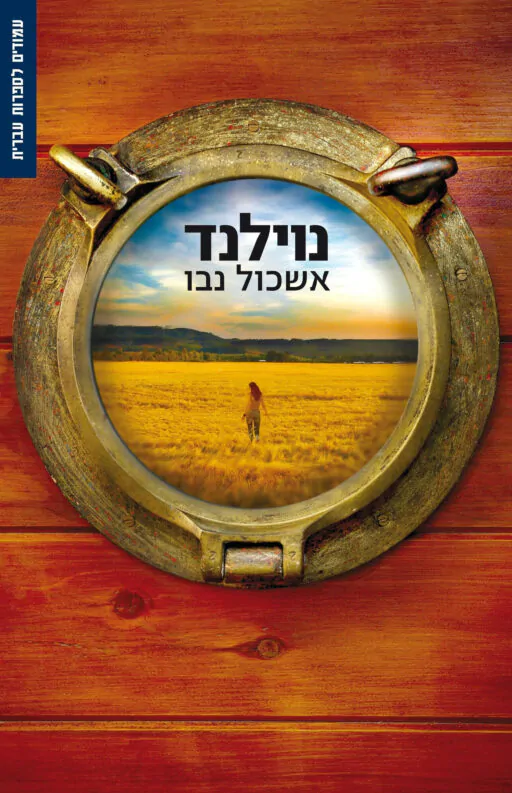
Most Israeli Book – Neuland by Eshkol Nevo
Linoy Reter, Reporter: “To me, all of Eshkol Nevo’s books capture the essence of being Israeli. No matter where the story is set—in Israel or abroad—and no matter who the characters are, his writing always touches that uniquely Israeli emotion in each reader.”
“Although most of Neuland takes place in South America, it weaves in central themes from Jewish history: the Holocaust, immigration, loss, and the meaning of Zionism. This book helped me grasp the complexity of the country I live in—and its beauty too. It reminds me that nothing our people have gone through should be taken for granted. Our history and heritage are what bind us together—and they’re also what make our nation unbreakable.”
Most Israeli Historical Event – The Swords of Iron War
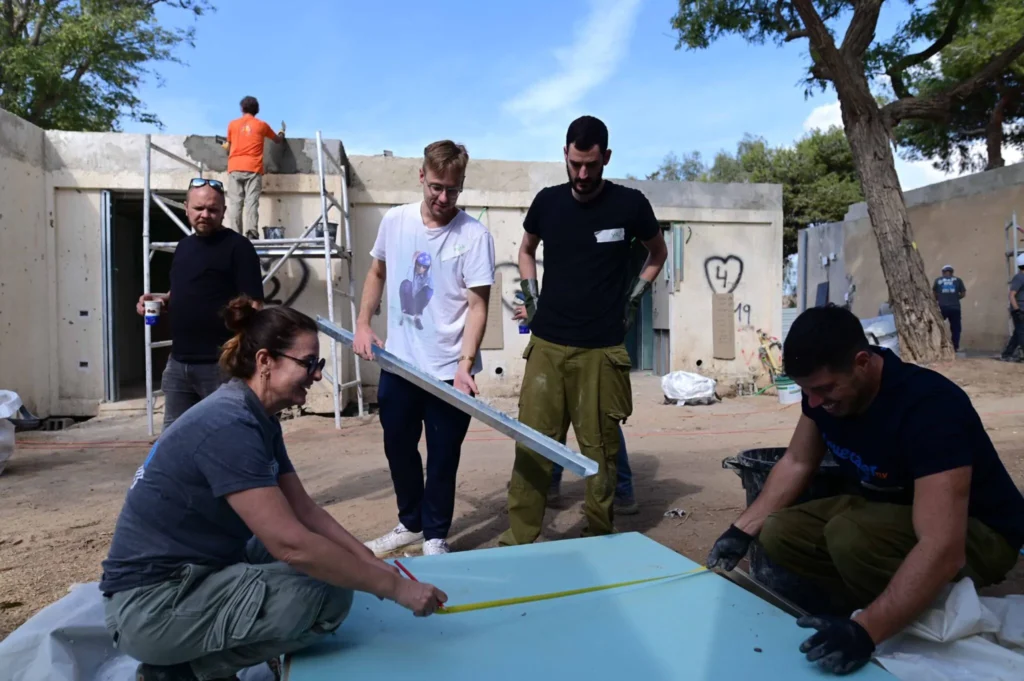
Shimshon Langer, Reporter: “The Swords of Iron War felt like a moment that pulled Israel back in time—but in a powerful, immediate way. Suddenly, the words ‘nation’ and ‘homeland’ felt real again. It wasn’t just soldiers fighting—it was all of us, regardless of age or profession. Every young person, every woman—whether in a city center or a kibbutz—felt part of this struggle. It was a war for our home. At times, it seemed like the whole country held its breath together, waiting, united. This wasn’t just a battle for borders—it was a battle for belonging.”
“I saw young reservists step up—not because they were looking for a fight, but because they knew this was their moment. Their time to stand alongside their parents’ and grandparents’ generations—to be part of the story. Even if that story is hard and painful, it defines all of us. For the first time, I saw our younger generation—those who didn’t always feel involved—put on a uniform and understand its true meaning. This wasn’t just about war. It was about the opportunity to be part of history, even if it was one of its hardest chapters.”
Most Israeli Series – Shtisel
Shtisel is a critically acclaimed Israeli drama tv series that portrays the daily life of the ultra-Orthodox Shtisel family, living in Jerusalem’s Mea She’arim neighborhood. The series follows a widowed father and his bachelor son, who share an apartment, a sharp sense of humor, and an ongoing search for love and connection in a conservative, complex world. The show was picked up by Netflix, earned international acclaim, and became a global success.
Uriel Jamel, Reporter: “Shtisel gives a rare glimpse into Haredi life, opening a window into a world that’s largely unfamiliar to most Israelis. It shows that world in a human, nuanced, and empathetic way. The characters deal with universal conflicts—love, independence, family—within a strict social framework. These struggles are central to Israeli identity, which constantly balances tradition with progress. I think Shtisel succeeded globally because of how deeply Israeli and authentic it is.”