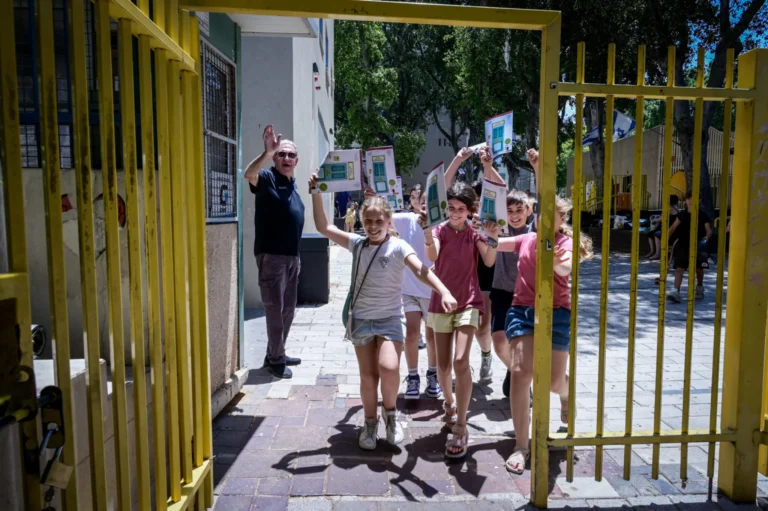

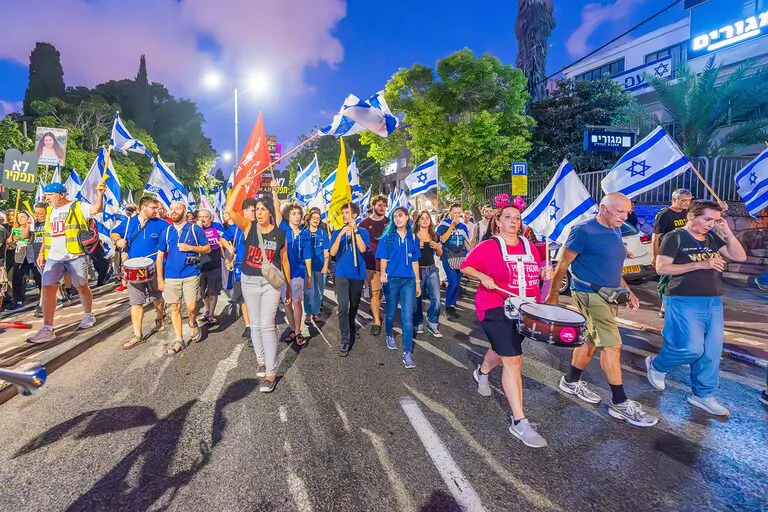
On the eve of Israel’s Memorial Day for Fallen Soldiers and Victims of Terror, youth from movements and organizations across the country launched the “Postcards for Their Return” campaign on Tuesday evening, in partnership with the Hostages and Missing Families Forum.
70,000 Postcards
According to the organizers, the initiative aims to connect the public—emotionally and morally—to the issue of the hostages, even during national remembrance events, and to highlight the moral and national obligation to bring them home, whether alive or fallen.
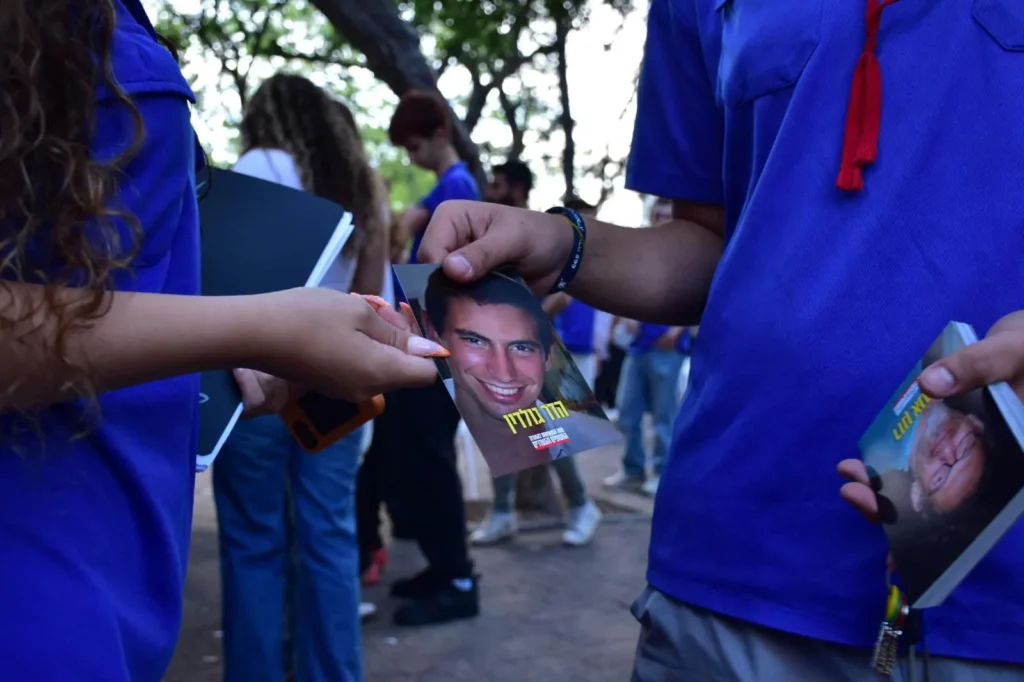
As part of the campaign, approximately 70,000 postcards are being distributed at municipal memorial ceremonies. Each postcard features the name, photograph, and personal story of a hostage or missing individual—some still alive, others fallen, whose bodies have yet to be recovered for burial.
“No One is Left Behind”
“The families of the fallen, like the families of the hostages, live in painful uncertainty—in a harsh and exhausting twilight zone. This campaign is meant to remind all of us of a basic Israeli and national value: no one is left behind,” said Hadar Sacks, spokesperson for HaNoar HaOved VeHaLomed (the Working and Studying Youth movement).
“The demand to bring the fallen to burial is part of our national ethos, supported by Jewish law and tradition—and most importantly, it’s a shared value for all of us,” Sacks added.
The initiative is a joint effort of diverse youth movements and organizations, demonstrating that the fight to free the hostages crosses all sectors and beliefs—and that we all share the responsibility of bringing them home.