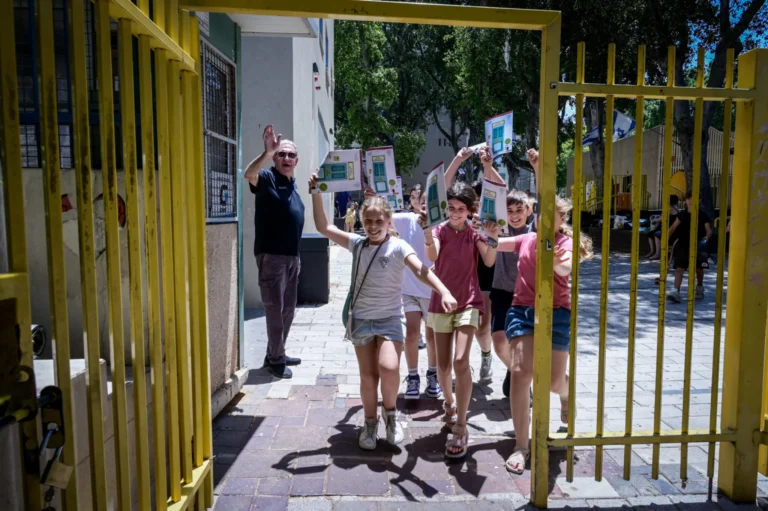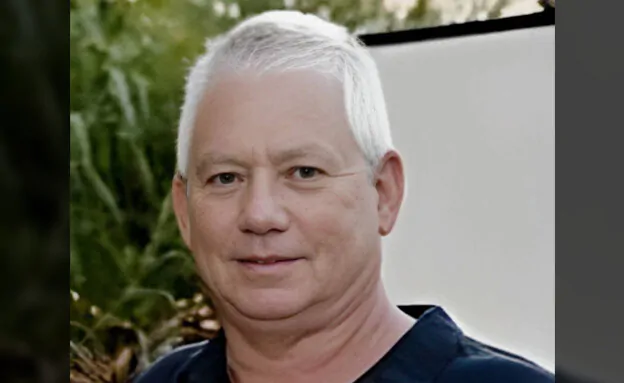

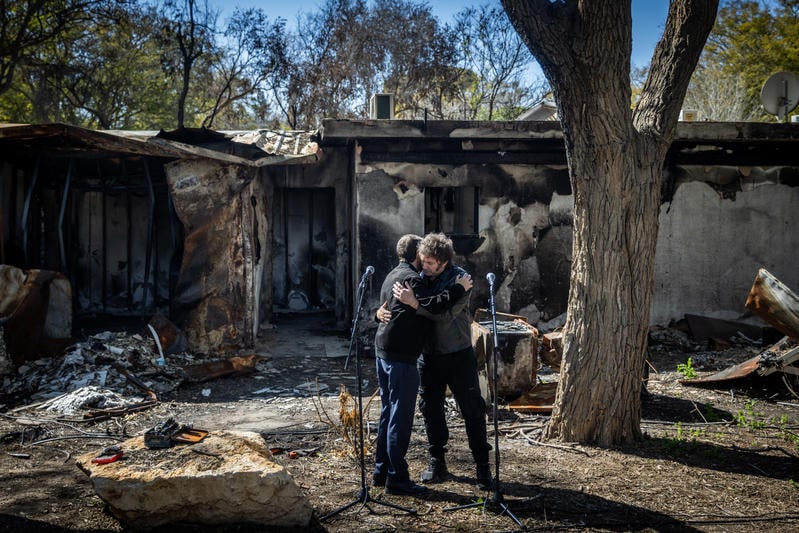
A year and a half after the deadly Hamas terror attack on October 7, 2023, the Israel Defense Forces (IDF) on Friday presented residents of Nir Yitzhak with a comprehensive investigative report into the tragic events that unfolded in the southern kibbutz.
The probe—compiled by former Southern Command Chief Maj. Gen. Yaron Finkelman—paints a harrowing picture of military failure, while also highlighting the extraordinary courage of residents and local defense volunteers who fought off waves of heavily armed terrorists for hours, largely on their own.
Three Waves of Attack, Delayed Military Response
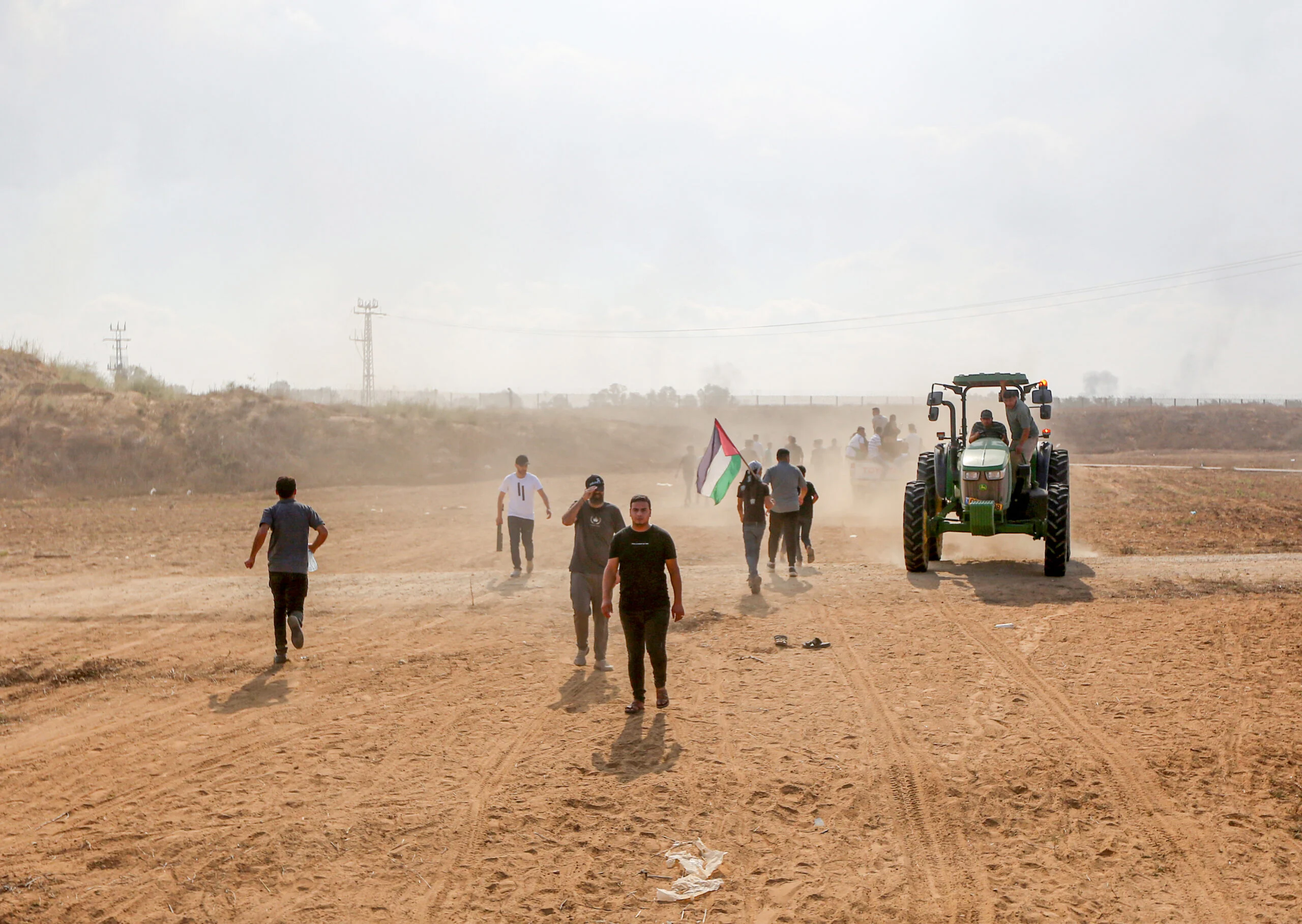
According to the report, approximately 85 Hamas terrorists infiltrated Nir Yitzhak in three major waves through the kibbutz’s main gate, armed with RPGs, assault rifles, and motorcycles. The battle raged for hours: six members of the kibbutz’s civilian emergency squad were killed, five civilians were kidnapped, and IDF forces failed to arrive until late in the afternoon—long after the peak of the assault had passed.
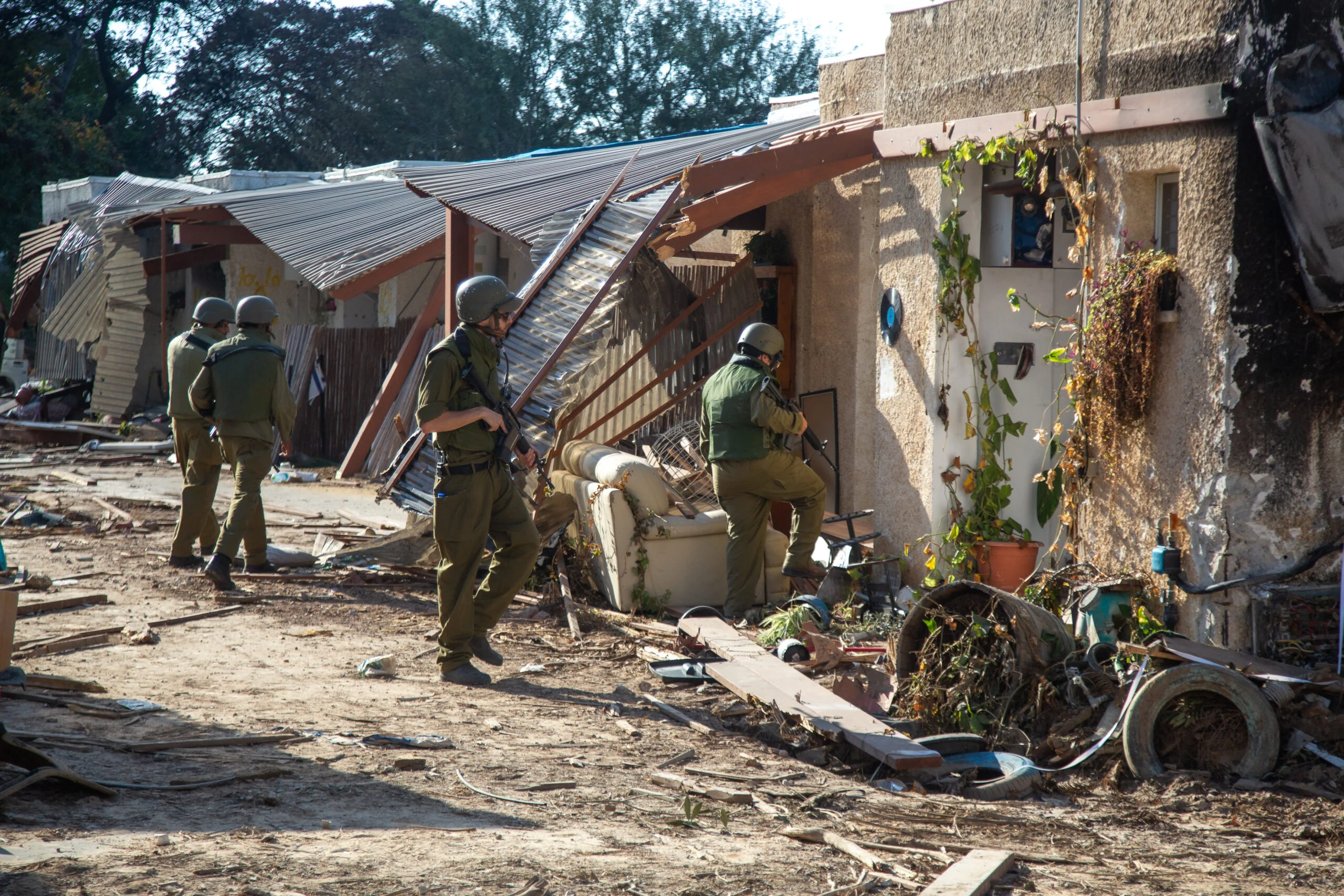
Between 6:50 a.m. and 1:28 p.m., Nir Yitzhak was left virtually without military support. Only at 1:30 p.m. did elite IDF units from Lotar and Duvdevan begin arriving to sweep the area and evacuate survivors.
One Tank, One Critical Decision
The investigation noted one critical move that may have saved additional lives: the commander of IDF’s “Sufa” (Storm) Company deployed a tank early to the area, which reportedly helped reduce the number of infiltrating terrorists and mitigate the destruction.
Breakdowns in Command and Communication
The probe outlined multiple systemic failures: a breakdown in the command chain, a lack of real-time situational awareness, and poor communication between the IDF and the kibbutz. With dozens of simultaneous attacks across southern Israel that morning, the military was overwhelmed—and Nir Yitzhak, one of the northernmost targets, was left to fend for itself.
The Fight Isn’t Over—Nor Is the Memory
Three of the five kidnapped residents were freed in a November hostage deal; two others were rescued alive. Two of the emergency squad members killed in action remain classified as “fallen, missing in action.”
The report, compiled by Brig. Gen. (res.) Itamar Ben Chaim and Col. (res.) Eyalon Peretz, includes dozens of interviews with survivors and IDF personnel, as well as reviews of classified footage and intelligence.
Despite the harsh criticism leveled at the IDF, the investigation also serves as a tribute to the civilian heroism and community spirit that prevented an even greater tragedy. The authors hope the findings not only clarify what happened—but ensure it never happens again.