

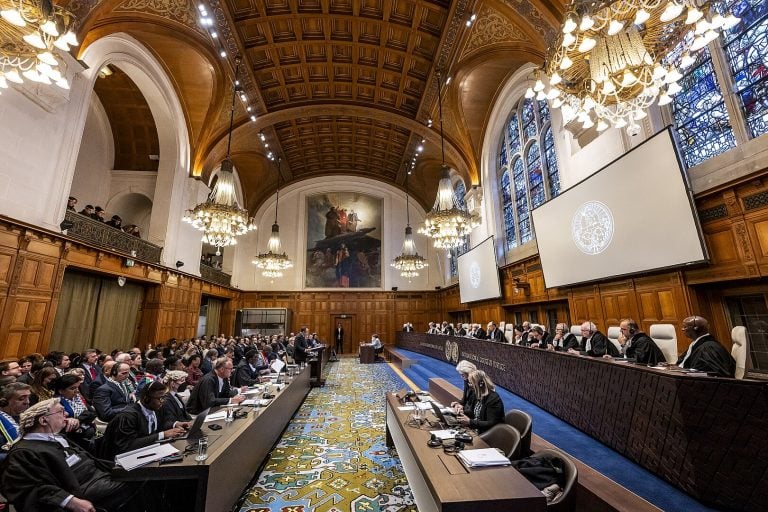
The decision by International Criminal Court (ICC) Chief Prosecutor Karim Khan to seek arrest warrants for Israeli Prime Minister Benjamin Netanyahu and former Minister of Defense Yoav Gallant on suspicion of war crimes triggered a legal and diplomatic uproar in Israel and around the world.
No Jurisdiction
Israel filed an appeal against the prosecutor’s request, asserting that the ICC lacks legal jurisdiction over the State of Israel.
This claim is based on the principle of complementarity, which states that the ICC should only intervene when a country is either unwilling or unable to conduct its own criminal investigations.
Israel maintains that its judicial system is both independent and fully capable of investigating and addressing any allegations of misconduct by its citizens.
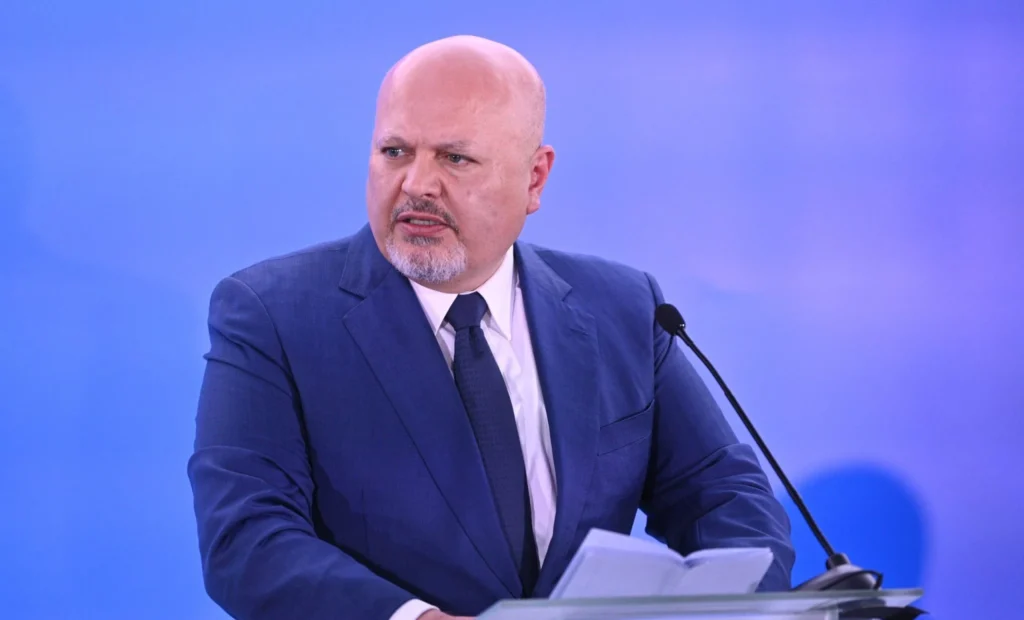
A Partial Victory
The International Criminal Court has now decided to revisit the question of its jurisdiction over Israel. This means the Court will conduct a new review of whether it holds legal authority in this matter.
However, the arrest warrants sought by the Chief Prosecutor remain in effect for the time being, pending a further decision. A final ruling is expected after the Court holds an additional hearing.
As noted, the ICC’s move drew strong criticism from across Israel’s political spectrum.
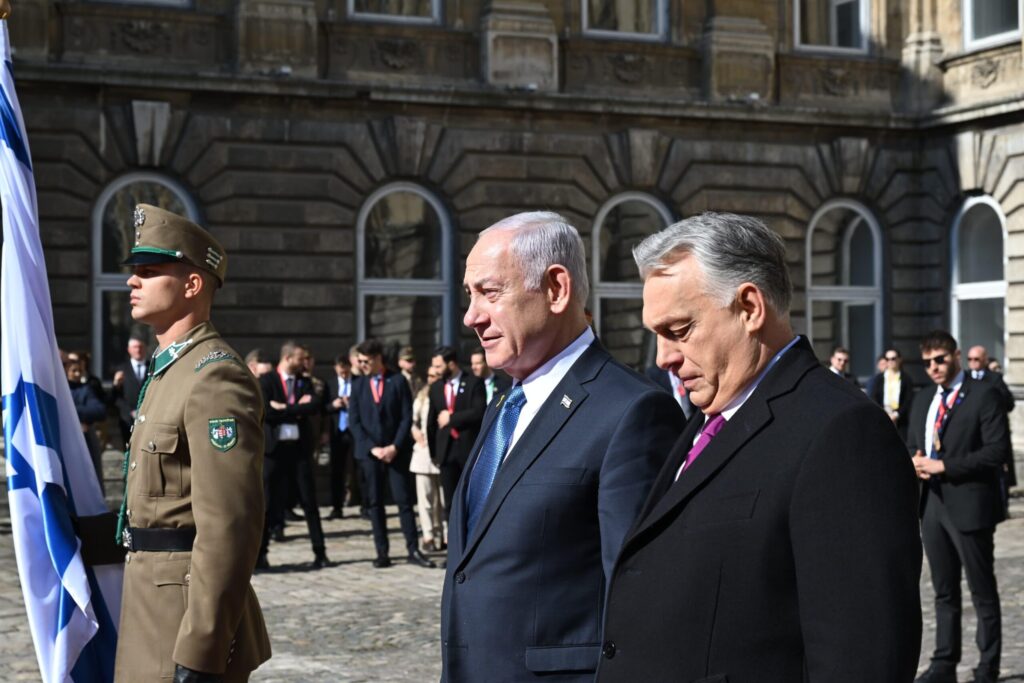
Earlier this month, Hungary announced its withdrawal from the ICC. The statement was made by Gergely Gulyás, Chief of Staff to Hungarian Prime Minister Viktor Orbán, via the state news agency MTI.
The announcement came during a visit by Prime Minister Netanyahu to Hungary. In a joint statement with Prime Minister Orbán, Netanyahu remarked: “You’ve taken a courageous stand against the Court in The Hague.”
Netanyahu emphasized that Hungary’s move places both countries on the same side of a global struggle against radical Islam and Iranian terrorism: “We are fighting Iran and its proxies, and you understand that this is a shared fight for our values and our mutual security.” He also said Hungary’s stance positions it against growing anti-Israel trends spreading across Europe and the West.
“You, Viktor, have stood proudly with us on every front – in Europe, at the United Nations – and now you are taking a bold step that can serve as an example to other nations,” Netanyahu said, thanking Orbán for his firm support of Israel at a critical time.
By Uriel Jamal