
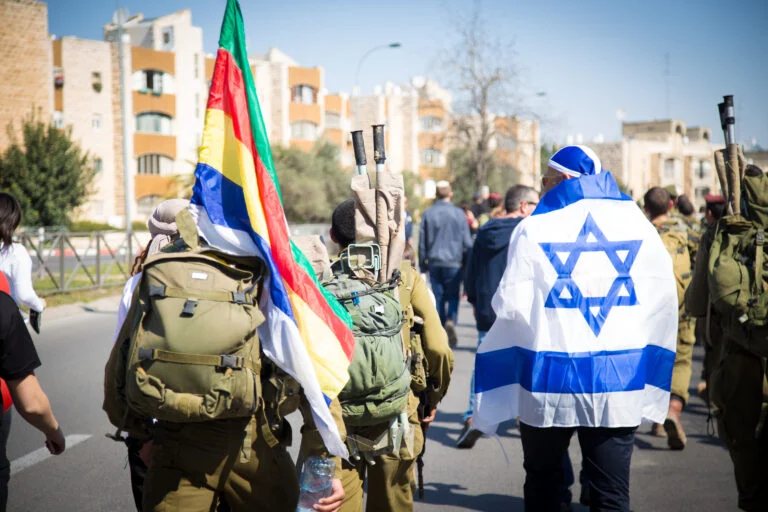
Israel’s Druze population currently stands at approximately 152,886 people—a dramatic tenfold increase since the state’s establishment. This data was published by the Central Bureau of Statistics in honor of the Nabi Shuʿayb holiday, which will be observed this coming weekend.
Key Facts About the Druze Community in Israel
- The majority of the Druze population lives in the towns of Daliyat al-Karmel (around 17,500 residents) and Yarka (around 16,300).
- Despite its historical growth, the community’s expansion has slowed: in 2023, the growth rate was just 1%, and the fertility rate dropped to an average of 1.75 children per woman—a significant decline from nearly eight children per woman in the 1960s.
- Druze society reports strong employment figures: in 80.8% of families, at least one member is employed.
- A notable 41.3% of Druze youth begin bachelor’s degree studies within eight years of completing high school—far above the average for the broader Arab sector. Additionally, the number of Druze university students increased by 5.6% in the past academic year, totaling approximately 6,200 students.
- However, there are social challenges: nearly one in four Druze residents is registered with welfare services—a relatively high rate. The community’s rate of criminal convictions is also slightly above the national average, particularly in offenses related to public order and serious crime.
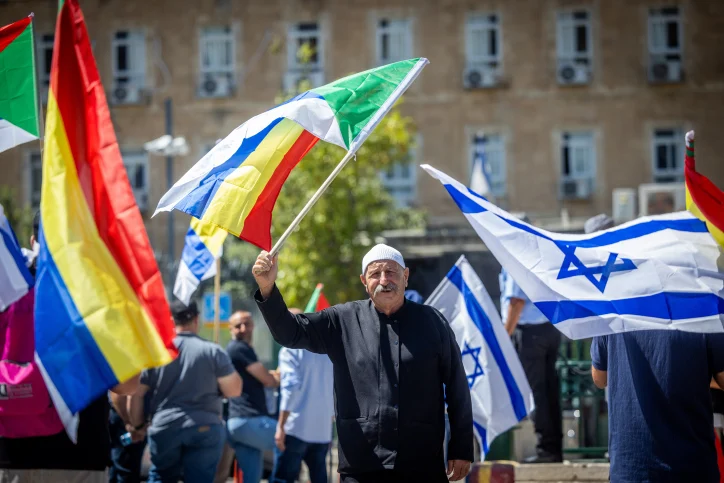
Nabi Shuʿayb Holiday
The Nabi Shuʿayb holiday will last four days, from Friday, April 25 through Monday, April 28.
The Druze regard Jethro—Moses’ father-in-law and Zipporah’s father—as the patriarch of their faith. According to their belief in reincarnation, the soul of Jethro, who lived around 2,000 years before the Druze religion was founded, was reborn in the prophet Shuʿayb—a revered spiritual figure to this day.
The tomb of Nabi Shuʿayb is located in the village of Hittin, above the Sea of Galilee. Nearby lies a hollow in the stone which, according to Druze tradition, bears the imprint of the prophet’s foot. Anointing the body with oil poured into the hollow is believed to bring blessing and success.
Pilgrimage to the tomb during the Nabi Shuʿayb holiday is more than a religious ritual—it is also a social and communal event, a time for members of the Druze community and their leaders to gather and connect.