
In honor of Holocaust Remembrance Day, the Claims Conference released its “Vanishing Witnesses” report this morning (Tuesday)—a groundbreaking demographic analysis.
Approximately 110,100 Survivors Live in Israel
Today, around 200,000 Holocaust survivors are living in 90 countries across the globe. According to the report, only about 10% are expected to still be alive 15 years from now.
More than half of the survivors live in Israel—an estimated 110,100 individuals. Projections indicate this number will fall to 62,900 by 2030, a 43% decline. In the United States, there are approximately 34,600 survivors, and a 39% drop is expected within five years. In countries of the former Soviet Union, the decline is projected to be even steeper—54% by early 2030.
As of 2025, the global survivor population ranges in age from 78 to over 100. The median age is 87, and 61% are women.

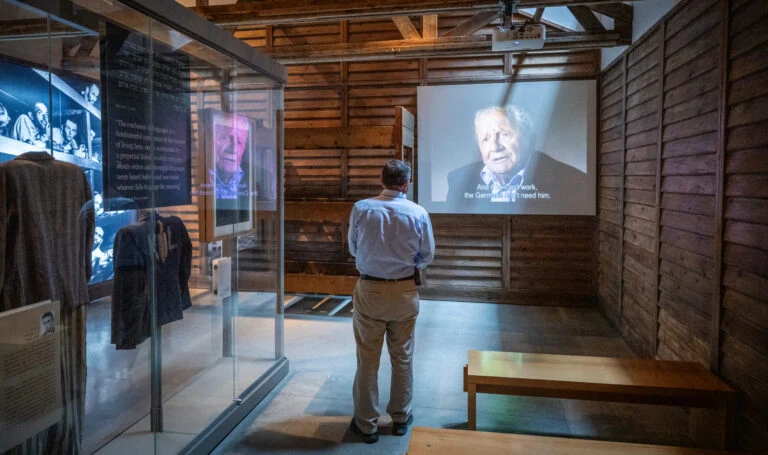
“Now is the time to hear firsthand testimonies from the survivors”
Gideon Taylor, President of the Claims Conference, said the newly released report underscores the urgent need to prioritize Holocaust education. “Now is the time to hear firsthand testimonies from the survivors—to invite them to speak in schools, institutions, and community gatherings. This is critical not only for our youth, but for people of all generations, to listen and learn directly from Holocaust survivors. This report reminds us that time is running out—our survivors are leaving us, and this is the moment to hear their voices.”
The Claims Conference is a global organization that has worked for over fifty years to support Holocaust survivors worldwide. According to the organization’s website: “Our mission is not over. The Claims Conference continues to negotiate regularly with the governments of Germany and Austria, as well as with representatives from industry and banks, to improve compensation programs and restitution funds. Today, the organization focuses especially on meeting the needs of the aging Holocaust survivor population.”