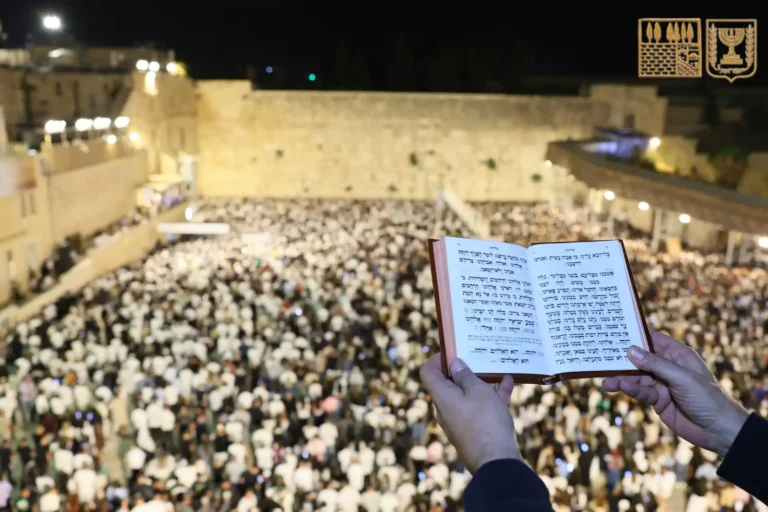

“There’s a sense of disconnect from Jewish identity in this generation. We must return to our roots.” So said former Chief Rabbi of Israel, Rabbi Yisrael Meir Lau, in an interview last week with Arutz Sheva. He went on to lament that young people today lack a deeper understanding of the Jewish holidays.
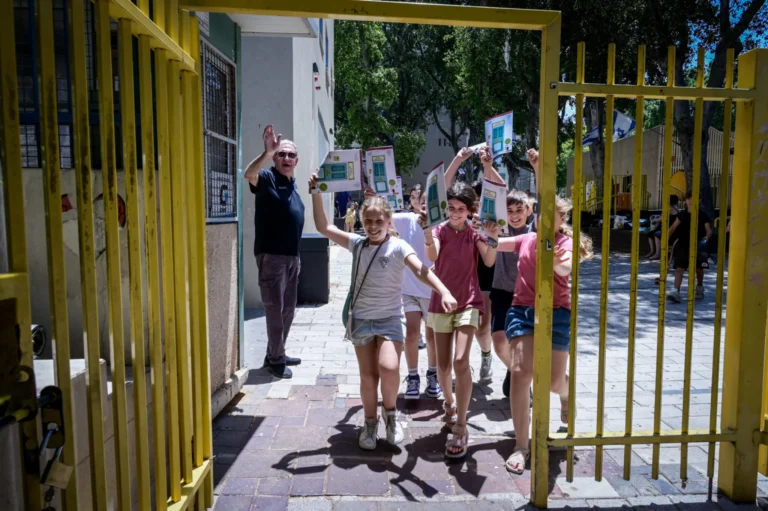
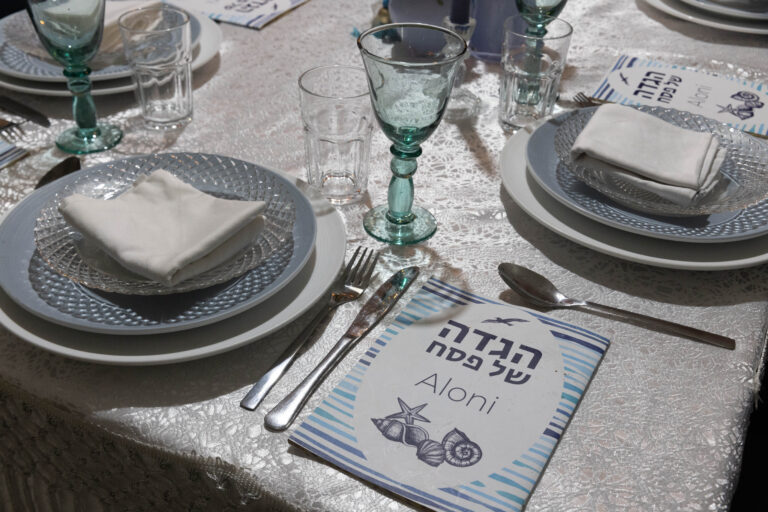
“What does Shavuot even mean to a secular high school student today?” he asked. “Sukkot they might know something about, because they see it. Passover they’re familiar with because Seder night is kept in some form or another. But for most students, the content of the Jewish holidays is strange. Some may show up at a synagogue in north Tel Aviv on Yom Kippur, receive a prayer book at the entrance, and not know how to use it. They don’t know what to say. Even the Passover Haggadah has many versions and editions passed from hand to hand. Everyone knows what ‘Vehi She’amda’ and ‘Ma Nishtana’ are, but they don’t really understand what’s being asked of them.”
Rabbi Lau is a figure of immense merit who, over decades as a public and spiritual leader, has brought countless people closer to Judaism through his powerful personal story and his deeply moving talks. And yet, in this case, it seems he may be mistaken in his assessment of today’s generation. That’s not my opinion—it’s something that has become evident through the war that was forced upon us, which has revealed one particularly inspiring truth: a powerful Jewish spirit and a deep sense of identity, especially among the very youth the rabbi referred to.
Echoes of spiritual courage from a new generation
In his well-known book Do Not Raise Your Hand Against the Boy, Rabbi Lau described how Jews, suffering under the Nazis in inhuman conditions, risked their lives to preserve their Jewish identity. Today, those stories take on new life in the testimonies of the hostages who were freed from Hamas captivity.

They avoided chametz and fasted on Yom Kippur
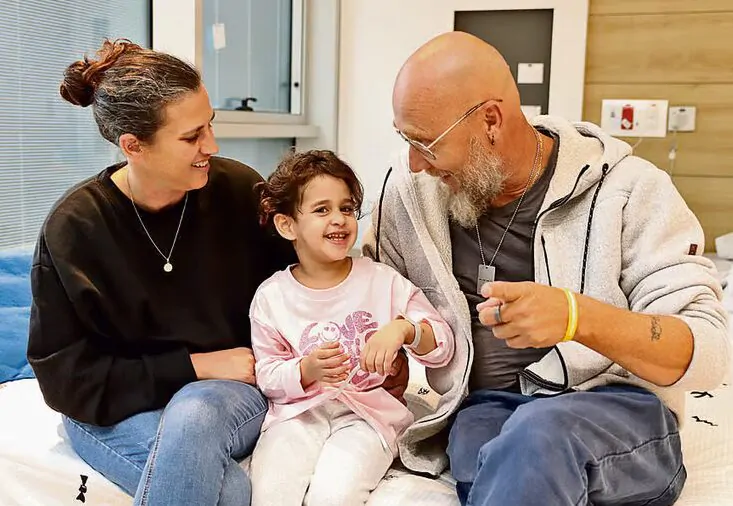
From the moment the IDF Field Observers—Liri Albag, Karina Ariev, Daniella Gilboa, and Naama Levy—were released, reports emerged that despite the brutal conditions in which they were held, they refused to eat chametz on Passover, fasted on Yom Kippur, and some even kept Shabbat with remarkable devotion.
Several weeks after her release, another observer, Agam Berger, published a video message ahead of Shabbat Zachor—the Sabbath before Purim—saying, “We must remember what Amalek did to us, and what was done to us on October 7. I ask anyone who can: please take upon yourself to keep this Shabbat—for the sake of the safe return of all the hostages, and in memory of those who gave their lives to protect us.”
A higher power was with me
Former hostage Sasha Troponov recently said in an interview with Shabbat B’Shabbato, “Before captivity, I was very far from anything that had a whiff of Judaism. I always thought I was in control, that I could plan what would happen to me. Suddenly I understood I wasn’t in control at all, and that there is a higher power guiding me.”
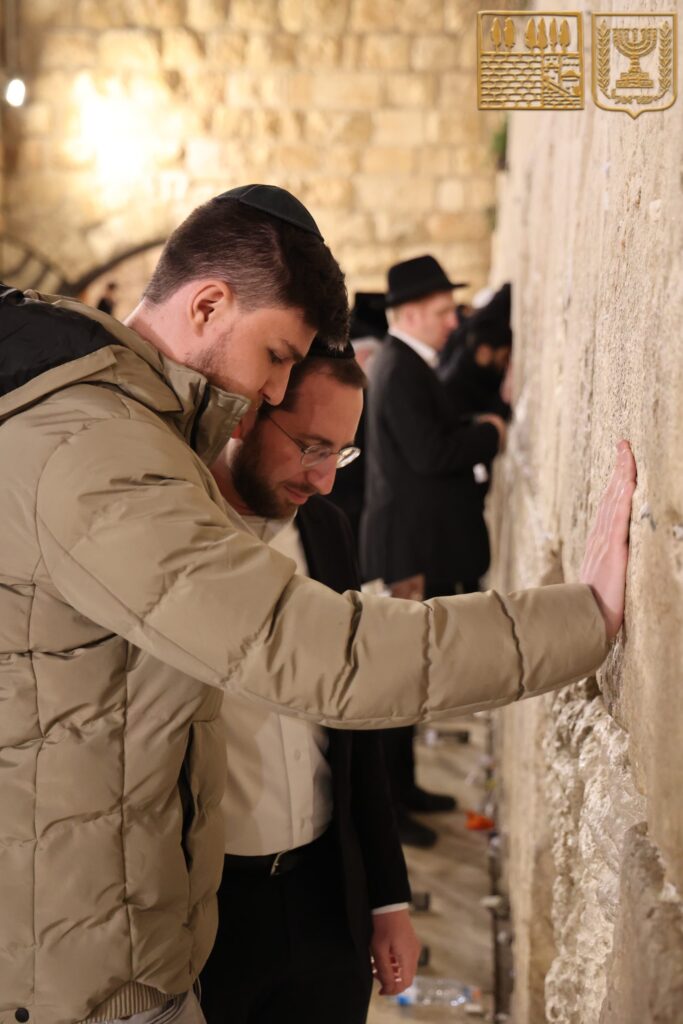
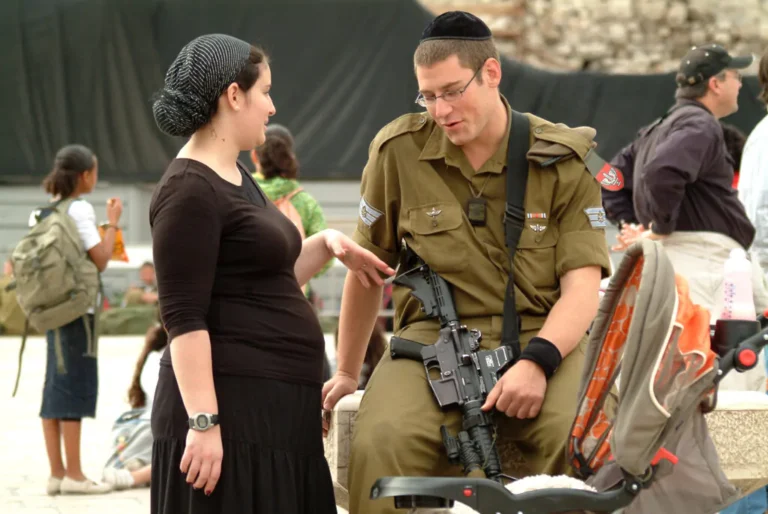
And it’s not just the hostages. Among the IDF fighters—many of them young conscripts from this very generation—there was a consistent commitment to spiritual awareness before heading into battle. A decade ago, some sneered when Givati Brigade Commander Ofer Winter quoted “Shema Yisrael” in his pre-battle message during Operation Protective Edge. In the current war, the cry of “Shema Yisrael” has echoed from almost every battalion, filling the battlefield and infusing the fighting spirit with a deep sense of Jewish identity.
“Look at the present—the heroes of this generation live and breathe Jewish consciousness”
At the end of his interview, Rabbi Lau emphasized his optimism: “We need patience and endurance. We must learn from history and look ahead with great hope, faith, and optimism.”
With all due respect, I believe that to draw hope and optimism, we don’t need to rely solely on memories of the distant past or prayers for the future. It is enough to look at the present—at the heroes of today’s generation, who embody Jewish consciousness and show us that the people of Israel live and fight not only for the nation and the land, but also for—and through—the power of Jewish heritage and tradition.
Moshe Vistuch