

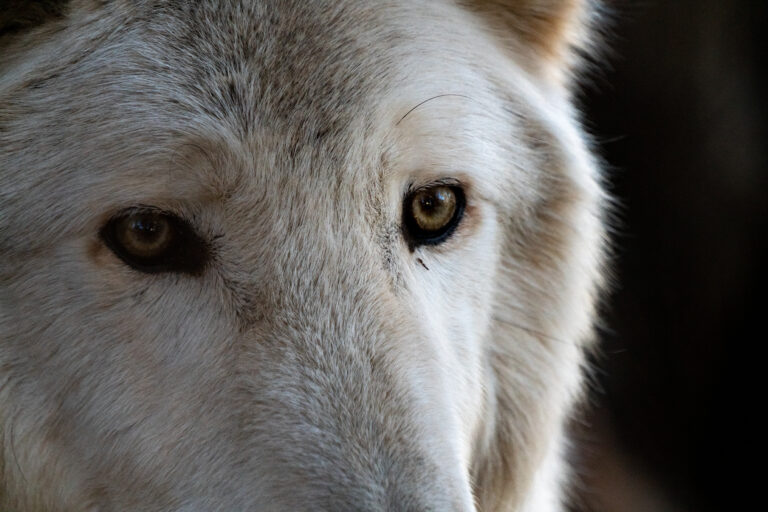
A groundbreaking scientific achievement was revealed Monday in a TIME Magazine cover story. The American biotechnology company Colossal Biosciences has successfully brought the dire wolf back to life—a prehistoric apex predator that went extinct nearly 10,000 years ago. Three pups, named Romulus, Remus, and Khaleesi, were born in recent months at a secret wildlife preserve in the United States, after the company performed precise genetic editing on gray wolf DNA to match the reconstructed genome of the ancient predator.
Reconstructing the Genetic Code Using Ancient Bone Samples
Scientists managed to recreate the genetic blueprint of the extinct species using ancient bone samples. To align the gray wolf’s DNA with that of the dire wolf, researchers made 20 targeted modifications across 14 genes. These changes produced larger animals with powerful jaws, white fur, and a wilder, more primitive demeanor. The pups bear a closer resemblance to their ancient ancestor than to any modern domestic dog. The animals were birthed via surrogacy, and the company emphasized that none of the surrogate mothers suffered as a result of the process.
Not Just a Symbolic Breakthrough, But a Revolutionary Technology
This development is not merely symbolic—it represents a technological revolution. The technique could help conserve species that are extinct or on the brink, such as the red wolf, the dodo, the Tasmanian tiger, and the woolly mammoth. The company reported that it has already successfully cloned four red wolves, with the goal of expanding their genetic diversity and preventing their complete extinction.
Meet the first dire wolves to exist in over 10,000 years https://t.co/PiXmBEGrk6 pic.twitter.com/NJl20cxp80
— TIME (@TIME) April 7, 2025
“For Us, This Is Just the Beginning”
Not all scientists, however, are celebrating. Some warn of unpredictable environmental consequences and raise ethical and biological concerns about reintroducing extinct species into the modern world. “This might be a moral attempt to right a human wrong—or it could be a dangerous act of playing with fire,” critics noted.
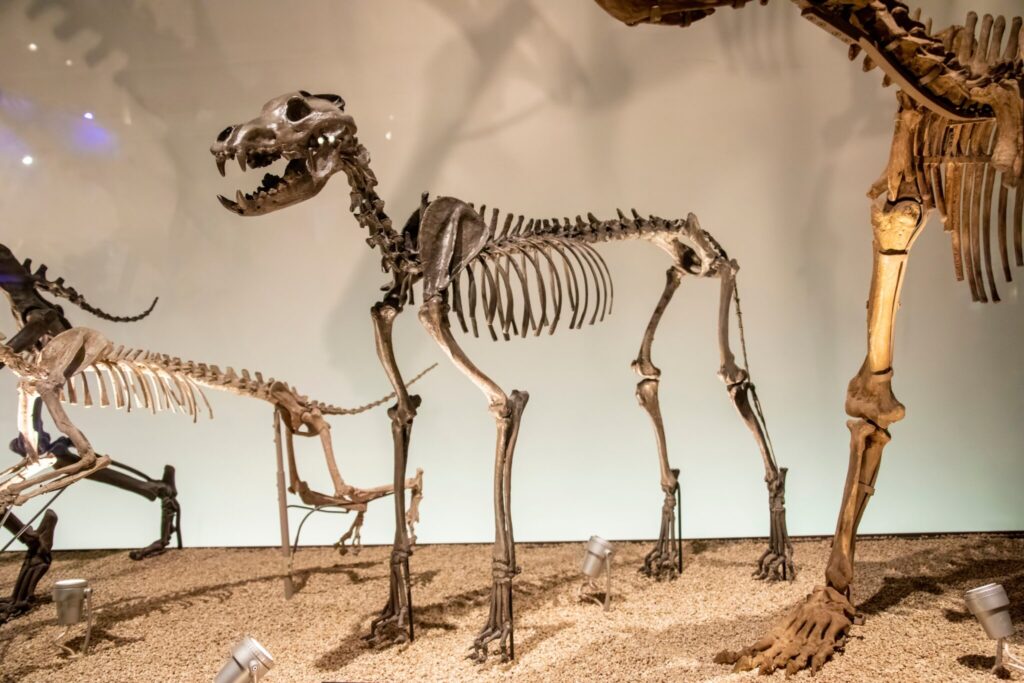
The young wolves currently live in a 2,000-acre enclosed area, and are already howling in ancient tones not heard since the Ice Age. “For us, this is just the beginning,” said the company. “If we can preserve life that was lost, we can also save the life that’s disappearing right now.”