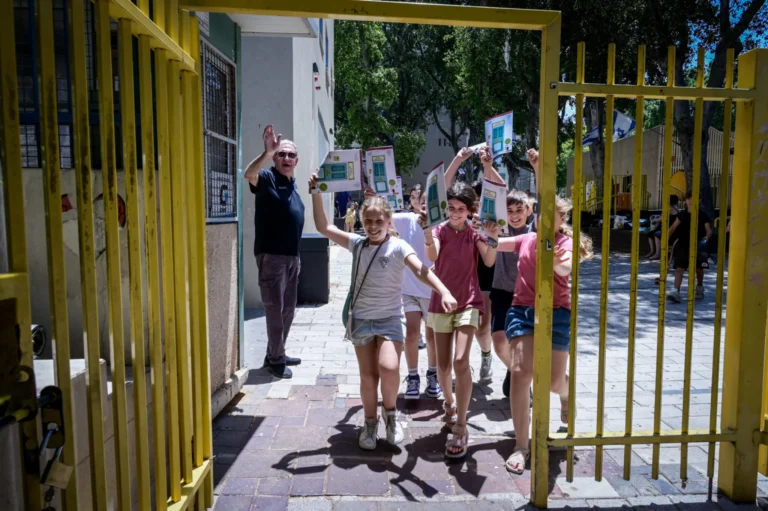

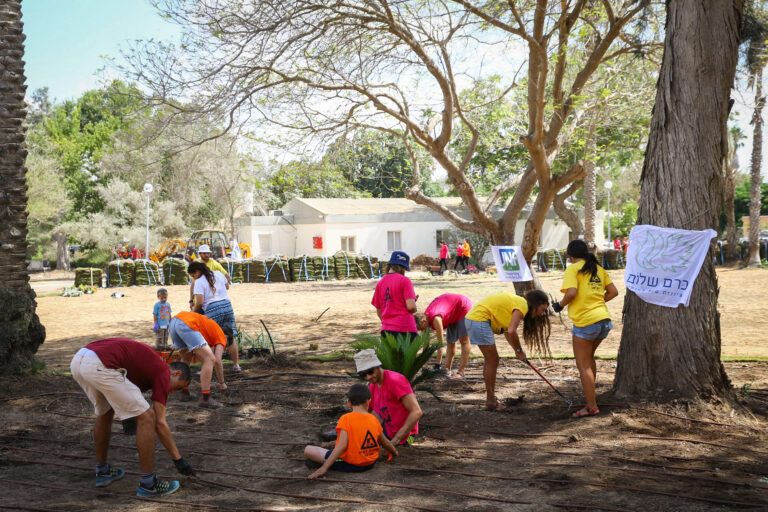
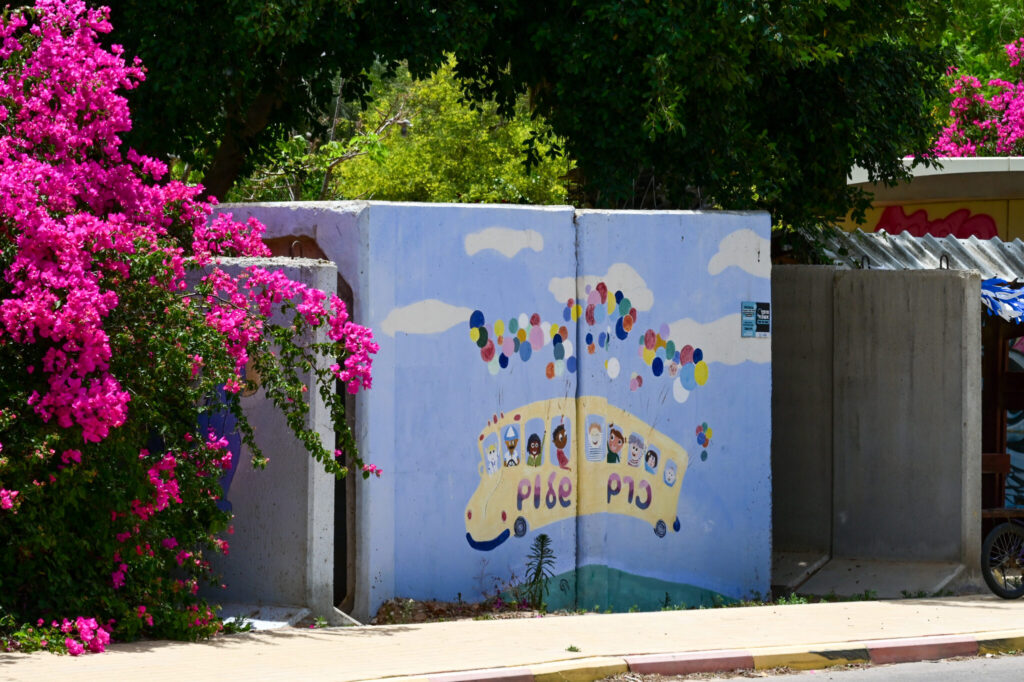
In the wake of October 7 and its deep impact on communities near Gaza, kibbutz Kerem Shalom continues to serve as a powerful example of cooperation and dialogue between religious and secular Israelis. The small kibbutz, located right on the border with Gaza, has for years cultivated a unique social fabric rooted in mutual respect, solidarity, and a shared desire to build a life together.
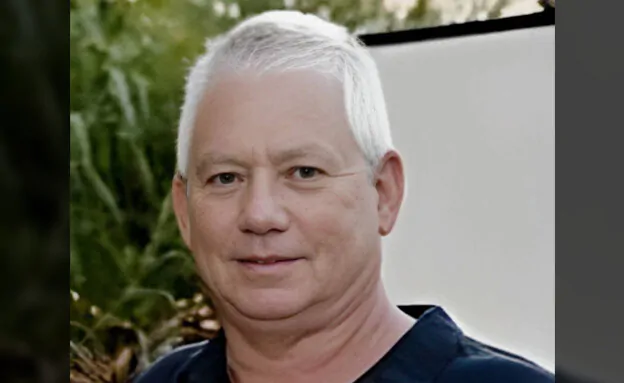
As evacuees prepare to return home, Kibbutz Chairman Yigal Moskowitz reflected on the challenges the community has faced over the past year and a half. “Even during the evacuation, we managed to maintain a strong community through joint activities and emotional support teams.”
Kibbutz security coordinator Elia Ben Shimol echoed the sentiment: “When we’re strong on the inside, we can face any challenge.”
Working Together in Full Partnership
Yigal, a secular member of the community who arrived at the kibbutz in 2015, spoke about the transformation Kerem Shalom has undergone. “There’s no doubt that the arrival of religious families has played a big role in our growth and development,” he said. The key to success, he emphasized, lies in mutual respect and collaboration.
“We work together on kibbutz committees, in cultural events, and holiday celebrations,” he explained. “For example, on Purim, the secular residents hold a costume party while the religious ones join the Megillah reading.”
Even in sensitive areas like the swimming pool, they’ve found solutions: “There are separate swim days for men and women, and other days that are mixed,” he said. “On Shabbat, the pool is open for secular residents, and the religious members respect that.”
He dismissed claims that religious families are trying to dominate the kibbutz. “That’s simply not true. We work in full cooperation.” Elia agreed: “Everyone respects each other’s lifestyle.”
True Partnership, Not Superficial Unity
Yigal emphasized that the goal is not superficial unity where everyone thinks the same, “but real partnership based on listening and understanding.” That, he said, is what helps maintain the delicate balance between religious and secular life.
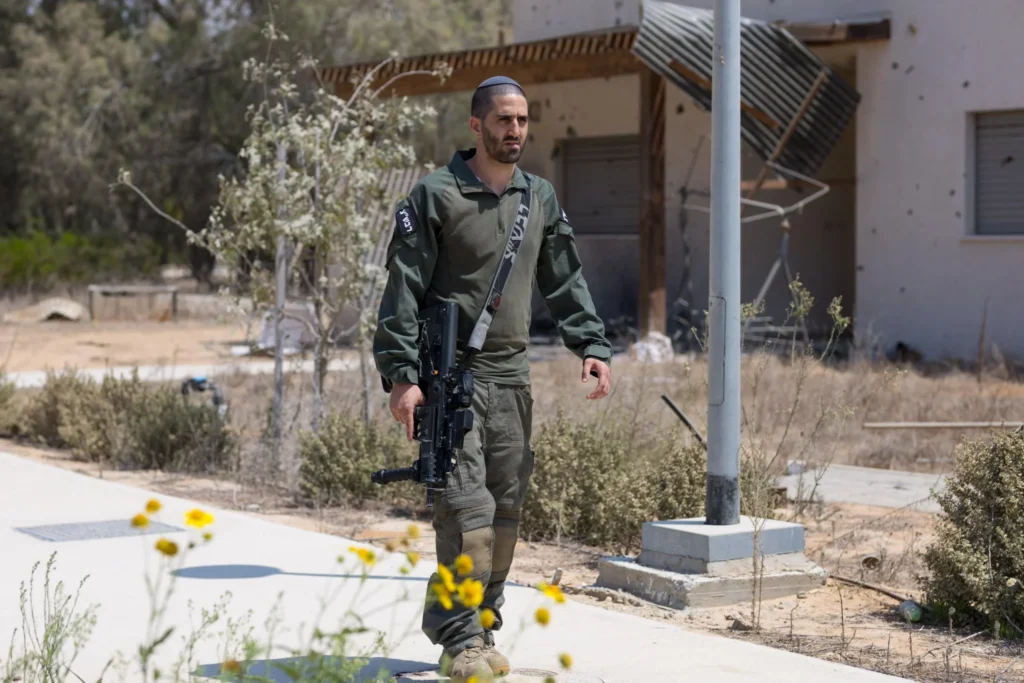
Elia Ben Shimol, who heroically led the kibbutz emergency response team on October 7, underscored the importance of community resilience. “The partnership and mutual responsibility between religious and secular members strengthen our collective spirit and our ability to handle security threats.”
Courage and Unity on October 7
“The events of October 7 were a defining moment for our community,” said Elia. Members of the emergency squad—religious and secular alike—fought bravely to defend the kibbutz. “The emotional bond and unity that formed were incredible.” Two members of the squad, Yedidya Raziel and Amichai Witzan z”l, were killed in the fighting.
“Our security isn’t just about weapons—it’s about people and their connection to one another. When we’re strong on the inside, we can face anything.”
Elia, now the commander of the emergency squad that then saved many families during the attack, reflected on his journey. His family moved to Kerem Shalom in 2018, hoping to be part of a mixed community. “I saw it as a place where I could give back to the community and contribute. There was a strong will within the community to build those connections together. We established a community leadership team to promote open dialogue and cooperation.”
“At the end of the day,” he added, “what connects us isn’t just geography—it’s shared values like mutual help and a sense of family. Everyone needs to take one step toward someone they don’t know—that’s how we create a wider circle of cooperation.”
Yigal concluded, “The real challenge is to keep our spirit alive even when the security situation improves. We believe in our future here, and the bond between religious and secular residents is key to how we face every challenge ahead.”
Elia added that Democratic Union leader Yair Golan recently visited the kibbutz and was deeply impressed by the community’s atmosphere and unity.
With the Right Incentives, Families Will Come
Last week, a community open house drew dozens of families. According to data from the Kibbutz Movement’s information center, around 1,700 people are currently exploring a move to Western Negev kibbutzim. Of these, 452 are in the process of joining communities like Karmia, Nirim, Ein HaShlosha, Nir Yitzhak, Urim, Kerem Shalom, Nahal Oz, and Sufa.
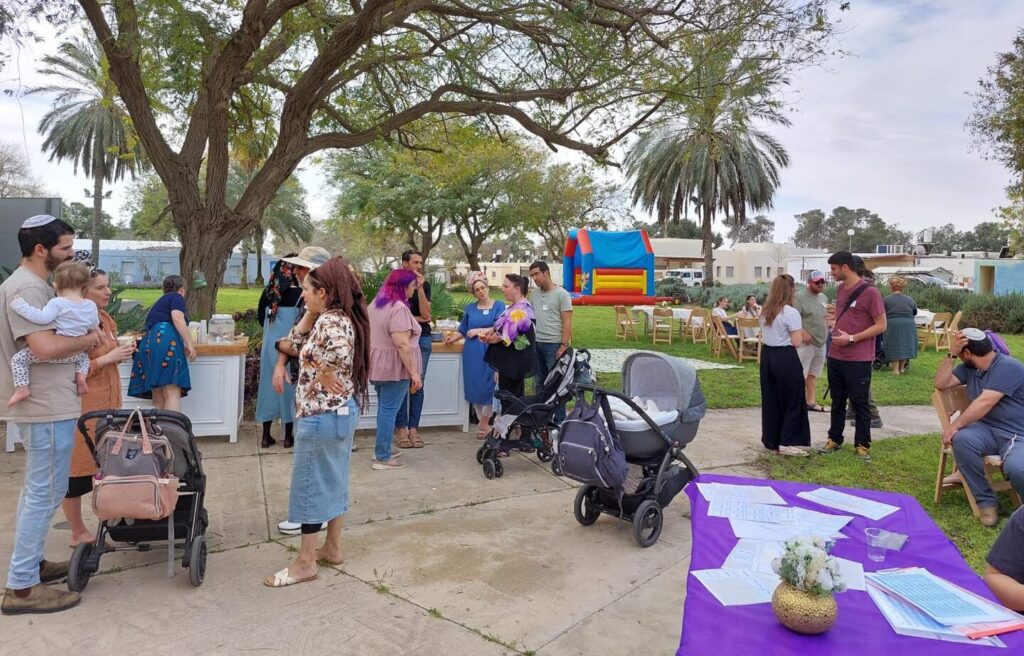
“Settlement in the Gaza border region is vital for national security,” said Elia. “We need significant government support to strengthen our community and security resilience.”
Yigal added, “We call on the government to offer strong incentives to families considering a move here. If the incentives are there—people will come.” He stressed, however, that the state must first prioritize bringing the hostages home: “That is the highest mission of all.”
In a time of growing societal rifts across Israel, Kerem Shalom stands as a powerful example of what’s possible. Whether religious or secular, the message is clear: only through united communities can we overcome challenges—whether they’re security, social, or ideological.