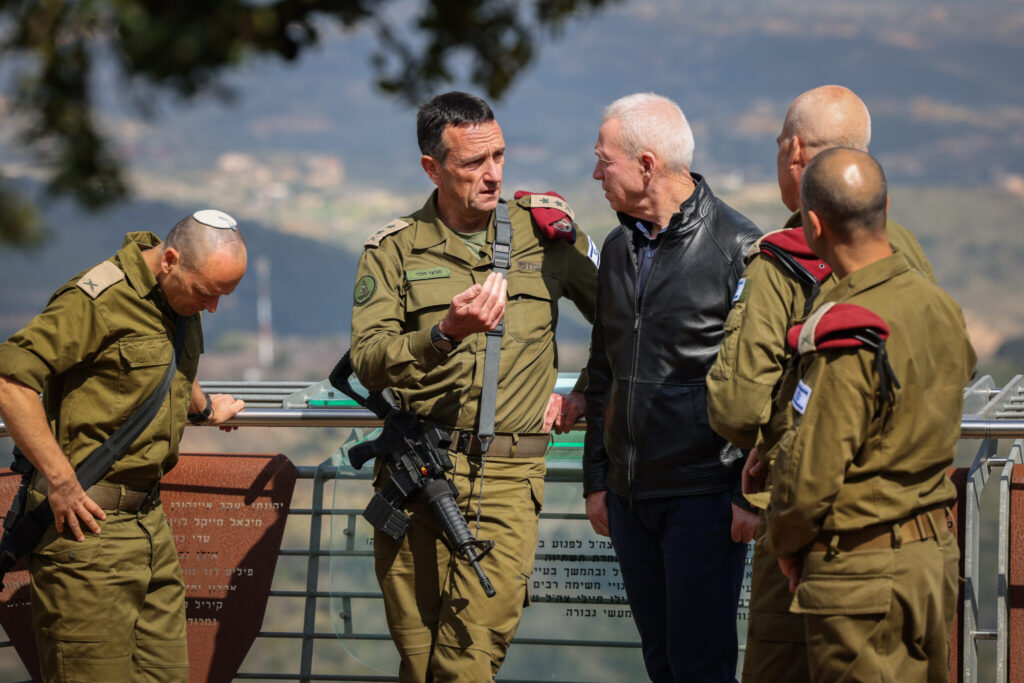


A Timely Warning
State Comptroller Matanyahu Englman published a report today (Tuesday) outlining multiple security shortcomings identified along the northern border well before Hamas’s October 7 attack.
According to Englman, a surprise audit conducted in July 2023 revealed serious deficiencies in IDF outposts, the readiness of the deployed forces, and the equipment available to them. The report was delivered in real time to senior military and government officials but, he notes, no action was taken.
Importantly, the report was not compiled after the fact—it was intended from the outset as a warning. In July 2023, three months ahead of the war, the Comptroller’s Office launched a rapid-response audit in the north due to escalating Hezbollah activity along the Lebanon border.

“A Resounding Warning on the Defense of Israel’s Borders”
Throughout 2023, Hezbollah steadily increased its provocations, both overtly and covertly, to escalate tensions with Israel. On March 13, a Hezbollah operative infiltrated Israeli territory and planted an explosive device at the Megiddo Junction. On April 6, during the Passover holiday, rockets were fired from southern Lebanon at northern Israeli communities. Three months later, on July 6, terrorists launched an anti-tank missile at an IDF patrol vehicle near the village of Ghajar.
Englman noted that these actions violated UN Security Council Resolution 1701 which was passed at the end of the Second Lebanon War.
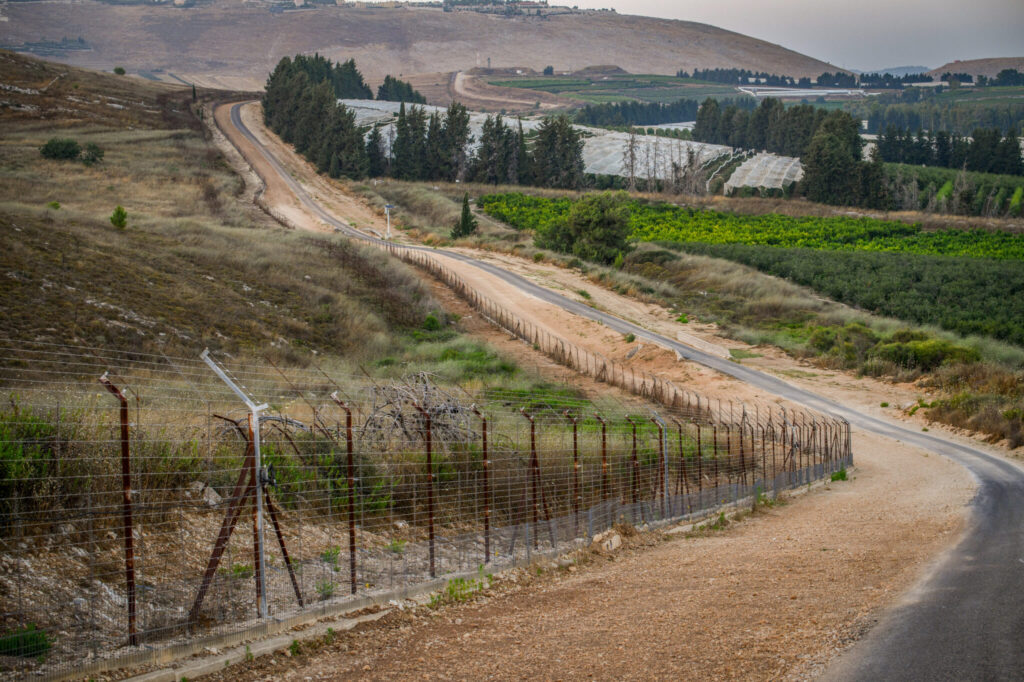
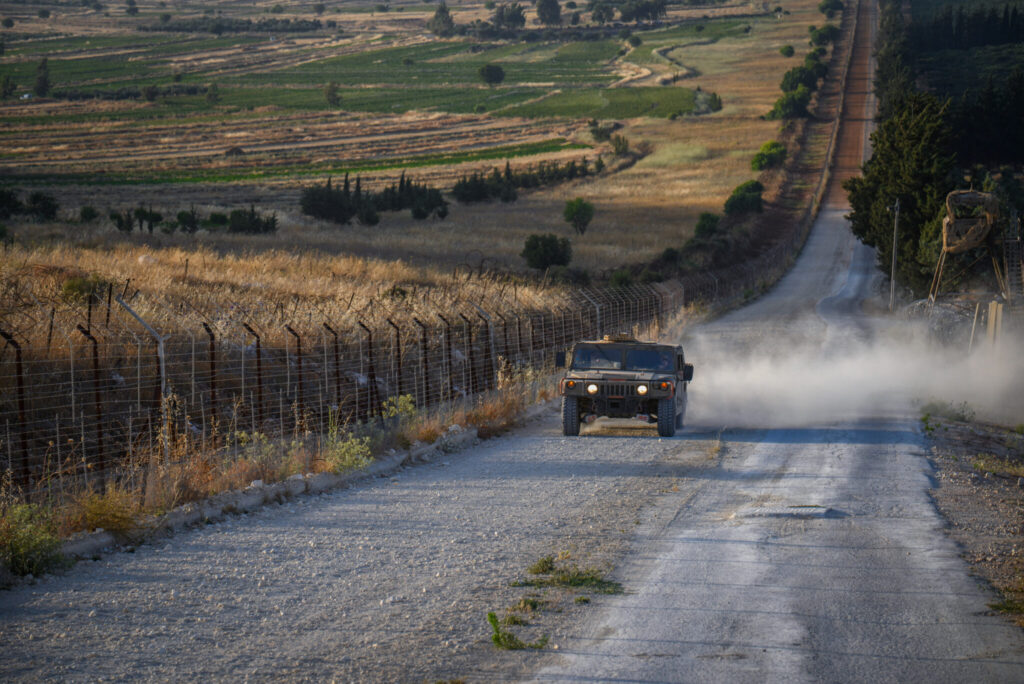
In response to rising threats, the IDF initiated the “Northern Shield” project to modernize its operational infrastructure. The plan included replacing outdated fencing with tall concrete barriers equipped with advanced technology. However, by June 2023, only parts of the new wall had been completed.
On July 10, the Comptroller’s Office carried out a surprise inspection of eight outposts along the northern front. The review focused on force readiness, weapons systems, defensive capability, and preparedness for operational deployments.
A draft of the report was sent to the Prime Minister, the Defense Minister, and the IDF. The military responded only on September 27—just ten days before the outbreak of the Swords of Iron War. The findings included numerous serious deficiencies. Englman warned: “These shortcomings should be seen as a resounding warning regarding the defense of Israel’s borders.”
The one-day inspection, led by Englman, evaluated the tactical performance of units under Northern Command. It reviewed training procedures, the condition of defensive positions, patrol routines, and adherence to operational protocols. Secondary topics such as safety, infrastructure, and discussions with soldiers and commanders were also included.
The report remained fully classified until now. When its classification was partially lifted, only selected sections were made public due to national security concerns.
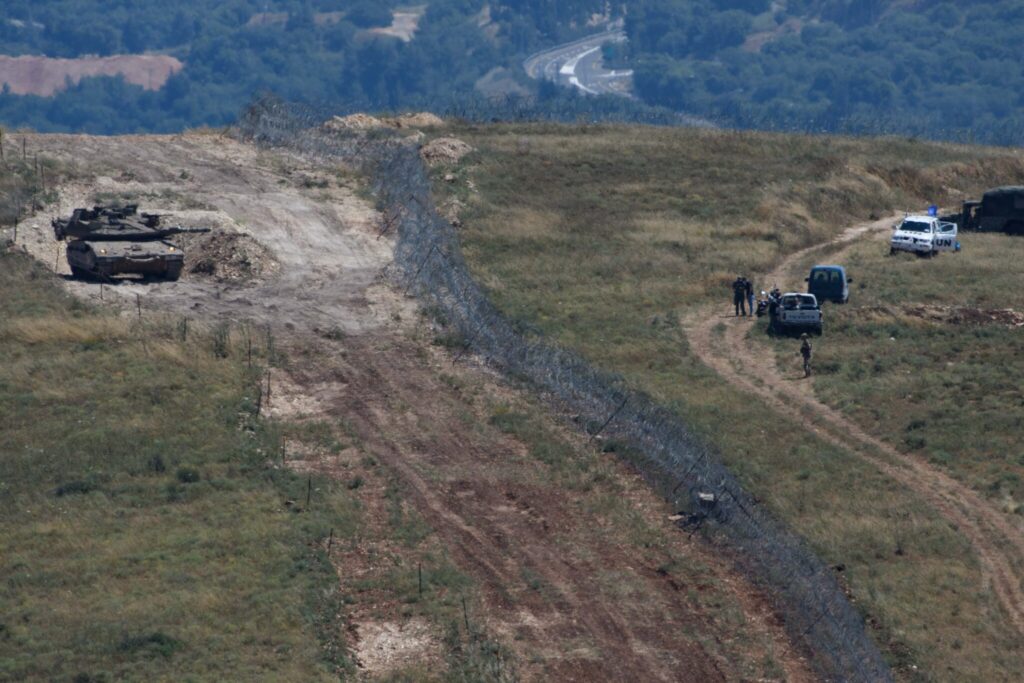
The Security Situation Along the Blue Line at the Time of the Audit
- Daily Hezbollah provocations – These activities erode the authority of Resolution 1701, increase friction with IDF forces, and heighten the risk of escalation.
- Operational fatigue – Constant responses to border alerts have caused physical and mental strain on troops, affecting their readiness.
- Intelligence collection gaps – The audit found deficiencies in intelligence-gathering capabilities.
- Northern Shield wall – As of June 2023, construction was incomplete.
- Frequent false alarms – Up to ten alerts per night triggered routine deployments, diverting resources from genuine threats.
- Unclear border markings – In some areas, barrels marking the boundary were spaced too far apart, allowing civilians and Hezbollah operatives to cross into Israeli territory, increasing the likelihood of confrontation.
- Rules of engagement – While soldiers understood the procedures, many felt they were not suited to the threats on the ground. Northern Command reviewed the rules in June–July 2023 but ultimately decided not to revise them.
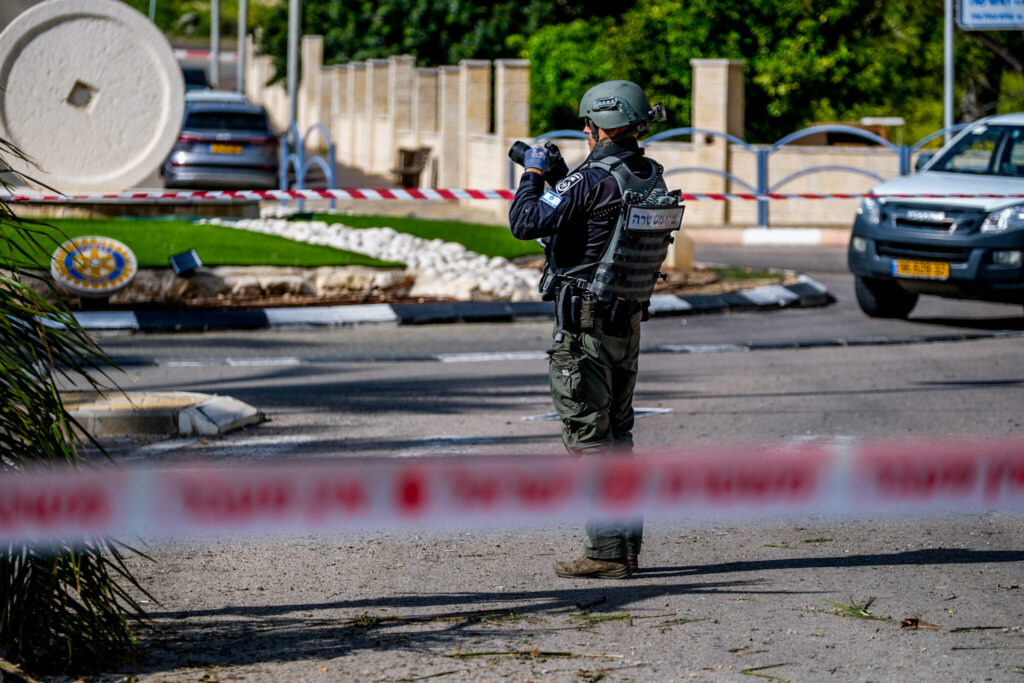
Key Findings on Troop Readiness, Equipment, and Infrastructure
- Weapon certification gaps – Some reserve soldiers were not trained to use critical weapons systems deployed along the border, limiting operational effectiveness and increasing risk.
- Lack of basic weapons training – Troops lacked training in essential weapons, reducing combat capability—especially in reserve infantry units.
- Missing standard weaponry – One reserve-manned outpost had no basic arms, although they were available at other positions.
- Outdated patrol vehicles – Certain vehicles were found to be old and unreliable, resulting in canceled patrols.
- Use of unarmored vehicles – Some patrols were carried out in non-armored vehicles, putting troops at direct risk.
- Vehicle shortages – One outpost faced ongoing issues with the availability of functioning patrol vehicles.
- Defensive infrastructure flaws – Gaps were found in physical defenses and force operations inside and around some outposts.
- Lack of security systems – Outposts in the Hiram Brigade sector lacked key technological tools that could significantly enhance security. The brigade has since begun reviewing deployment options.
- Positive training feedback – Outpost commanders reported receiving solid orientation from brigade and staff officers at the start of their operational deployment.
- Pre-patrol briefings – Audited outposts consistently held proper briefings before patrols.
Main Recommendations from the Comptroller
- Political leadership – The Prime Minister and Cabinet should address Lebanon’s ongoing violations of Resolution 1701 and establish a clear policy for managing the security situation in southern Lebanon.
- IDF Chief of Staff – Reassess the force structure and operational assets on the northern front to meet the heightened threats posed by Hezbollah since early 2023.
- Northern Command and IDF Operations Directorate – Update the rules of engagement based on specific threat scenarios and improve clarity to protect troops and bolster deterrence. Reduce the number of false alarms burdening forces. Ensure all outposts—especially reserve units—have the necessary weaponry, and allocate appropriate resources to improve protection.
- Ground Forces Command – Close gaps in training ammunition and ensure all soldiers train with the weapons systems they are expected to use in real operations.
- Reserve training – Guarantee proper certification for reserves on critical weapons systems. Work with Northern Command to either complete training or develop alternatives to improve effectiveness and lethality.
- Defense and infrastructure – Address deficiencies in outpost fortifications and ensure full implementation of existing base defense guidelines and operational directives.
Englman concluded:
“The events we have witnessed since the start of the war give these recommendations even greater urgency. Northern Command must act immediately to close the gaps identified in this audit by applying lessons learned from the ongoing Iron Swords War.”
Emergency Preparedness in the North
Between March and October 2023, the State Comptroller conducted a separate review of emergency preparedness in northern Israel. The audit focused on a specific aspect of readiness and included the Environmental Protection Ministry, Home Front Command, the IDF Planning Directorate, and the National Fire and Rescue Authority, with additional follow-up checks in other agencies.
The Knesset’s subcommittee on state oversight chose not to release the full findings, instead publishing only the main conclusions, citing national security concerns. The audit did identify operational gaps among the reviewed agencies.