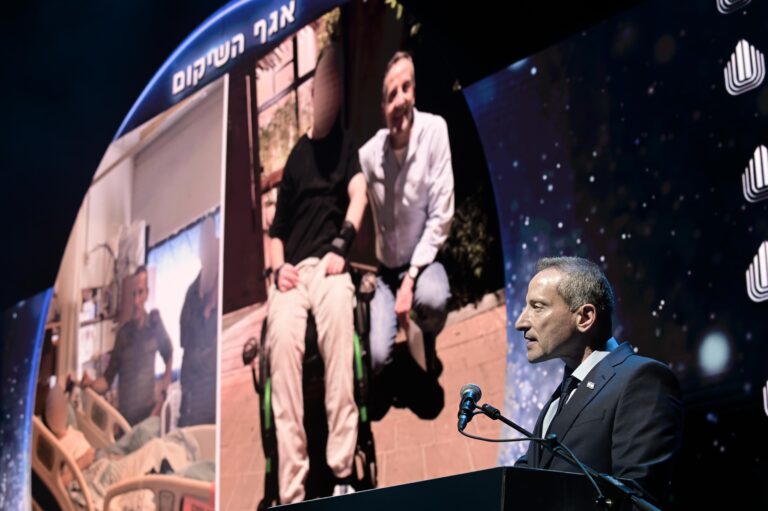
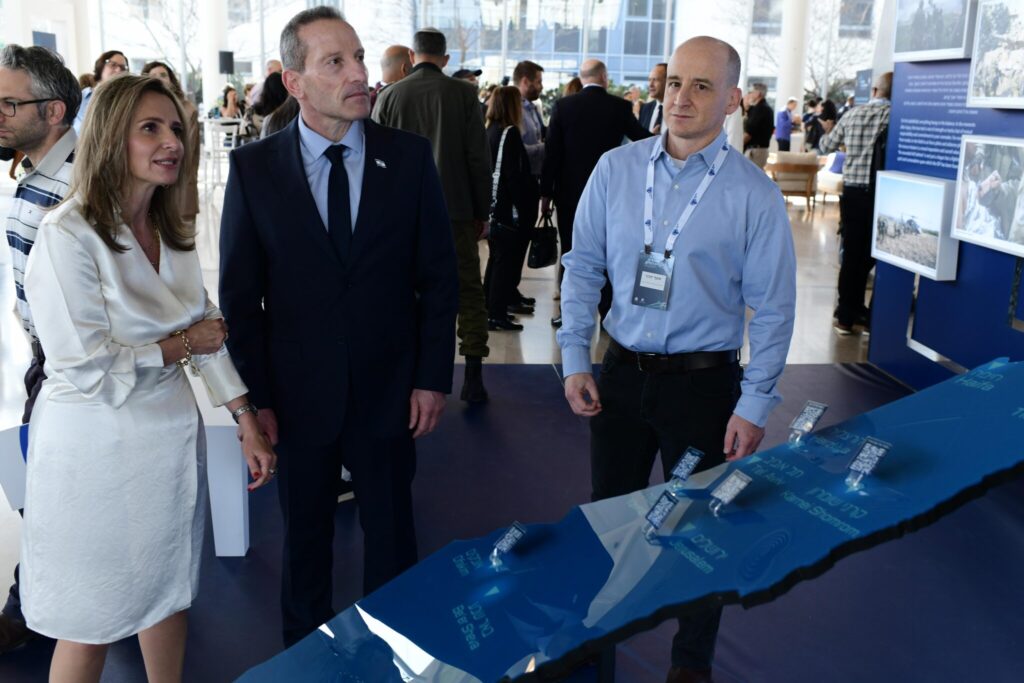
Today (Tuesday), Tel Aviv University hosted the first international conference of the Ministry of Defense’s Rehabilitation Department, titled Partners for Life. The event brought together representatives from over 20 countries, along with senior defense officials, rehabilitation experts, wounded IDF soldiers, and former hostages.
“We must bring everyone home – every last one”
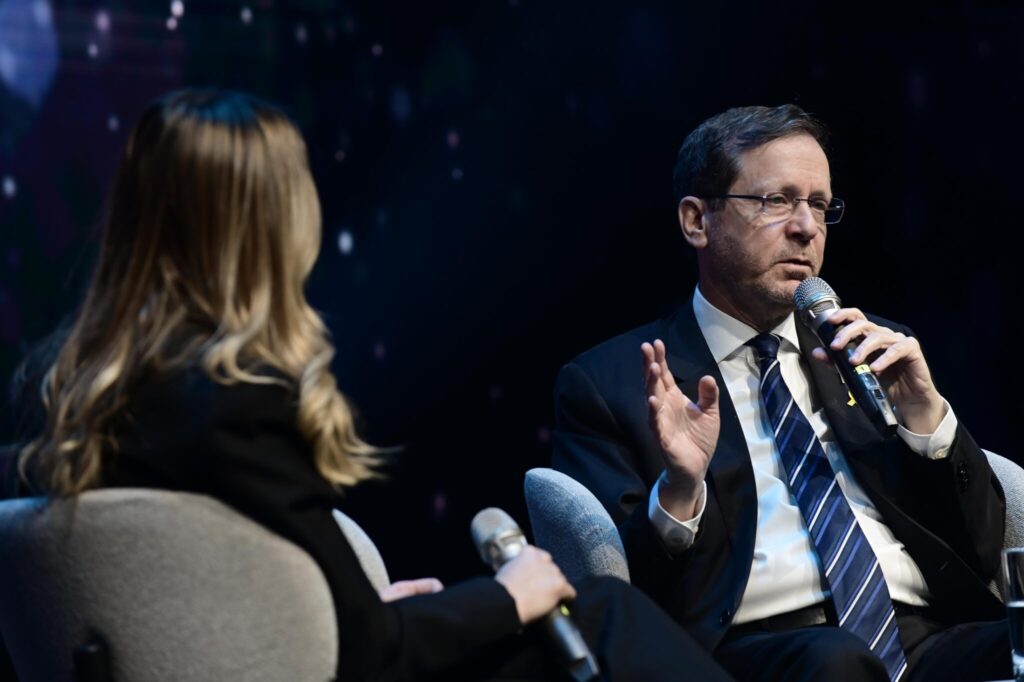
President Isaac Herzog opened the conference with a clear and heartfelt message: the hostages remain at the top of the national agenda.
“We must bring everyone back—every last one of them. This is a national mission,” he said, calling on the government and Knesset to provide comprehensive support for both the returning hostages and their families.
Challenging statistics: 16,000 newly wounded since October 7
The conference addressed the major challenges of physical and emotional rehabilitation, particularly in the aftermath of the October 7 attacks. Limor Luria, head of the Rehabilitation Department, revealed that one in every two wounded individuals currently receiving care is dealing with psychological trauma.
“We don’t wait for the wounded to come to us—first comes rehabilitation, then bureaucracy,” she said. “If a soldier says their home needs renovation, we get it done. No receipts, no red tape.”
“The commitment continues after the battle”
Maj. Gen. (res.) Amir Baram, the newly appointed Director General of the Ministry of Defense, shared that he had only officially transitioned from his IDF service to civilian life the day before—and now bears personal responsibility for rehabilitating wounded soldiers.
“The chain of care for the wounded must be strong from start to finish. When a soldier swears allegiance, those are not just words. It’s our obligation to support them and their families through the entire rehabilitation process.”
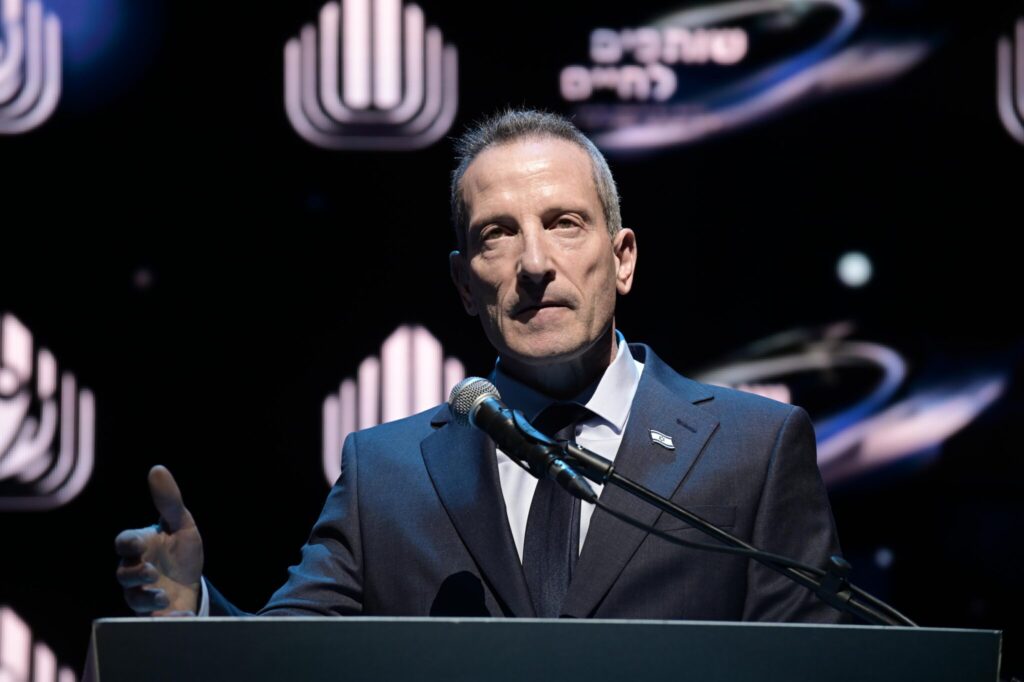
“A strong system in routine means readiness in crisis”
Moshe Bar Siman-Tov, Director General of the Ministry of Health, emphasized the vital connection between the national health system and defense rehabilitation.
“You can’t build systems from scratch during a crisis. What works in routine will also work when times are tough. Mental health is our national mission.”
Personal testimonies from wounded soldiers and former hostages
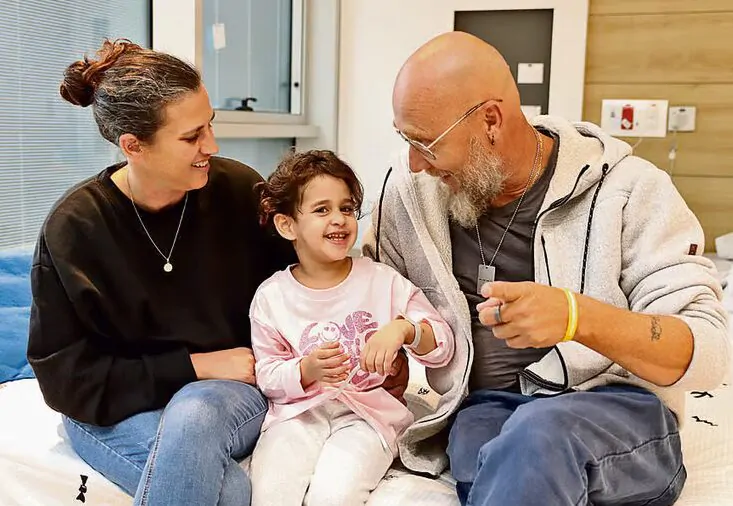
The conference also featured powerful firsthand accounts from injured soldiers and survivors of captivity. Hen Goldstein Almog, who lost her husband and daughter while they were held hostage, said:
“We went through deep trauma. Something fundamental in our trust in the state was broken. I believe things can get better—but it requires real change.”
Staff Sergeant (res.) Harel Tangy, a Givati Reconnaissance soldier who was severely wounded in Gaza, added:
“Doctors didn’t think I would survive. Now I want just one thing—to return to my team.”
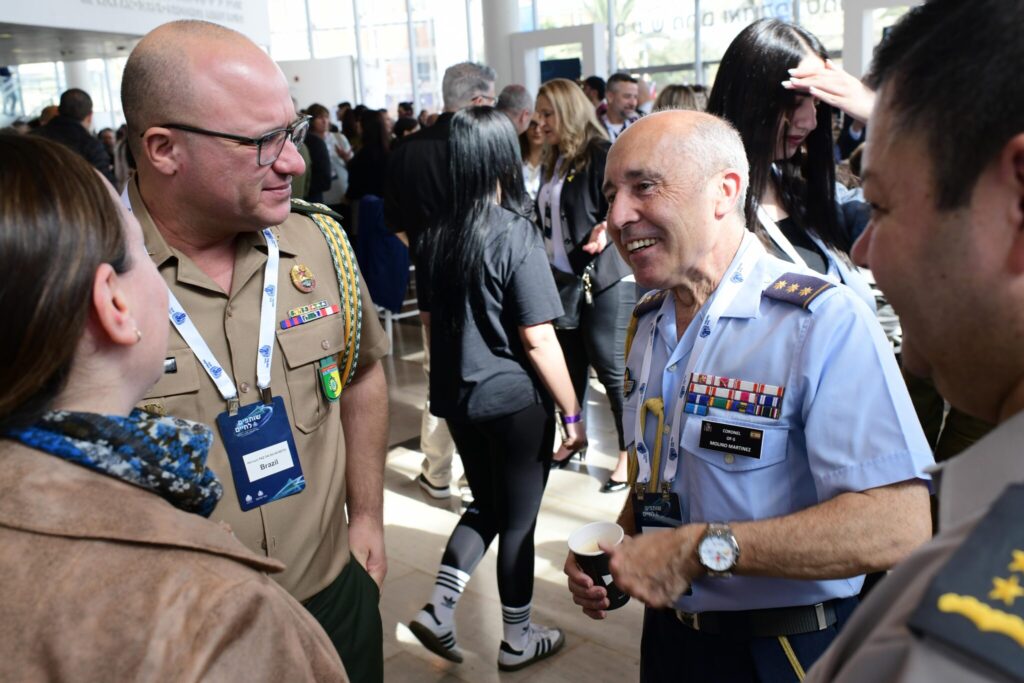
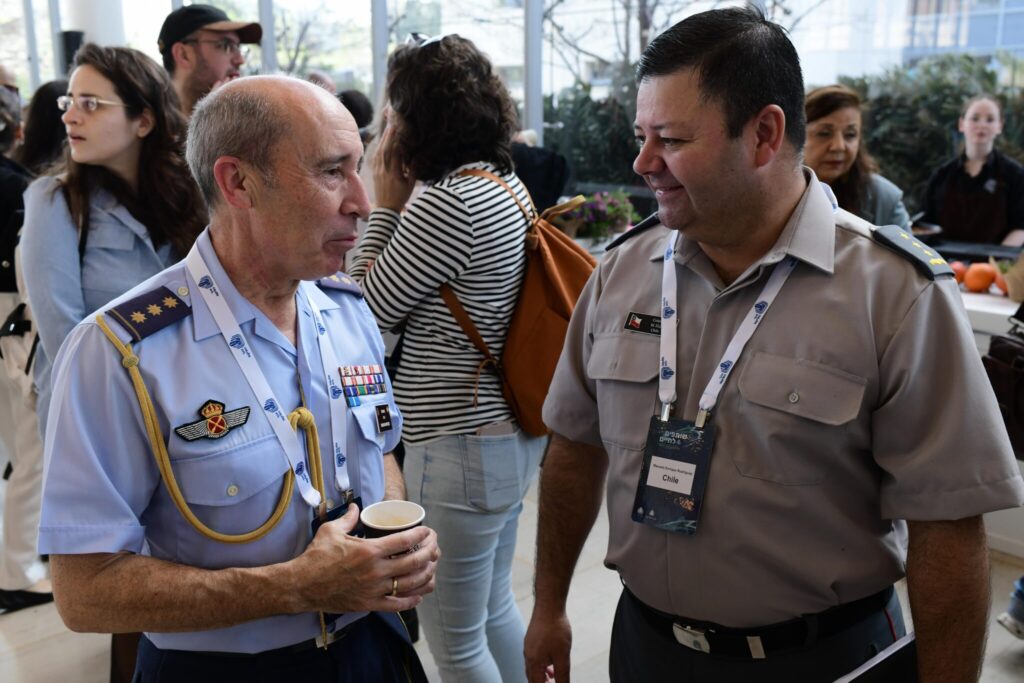
The conference also welcomed representatives from foreign militaries and health and defense ministries from around the world—all eager to learn from Israel’s integrated approach to physical and psychological rehabilitation.
“This conference shows that rehabilitation is not just a medical issue—it’s a national priority,” the organizers said.