
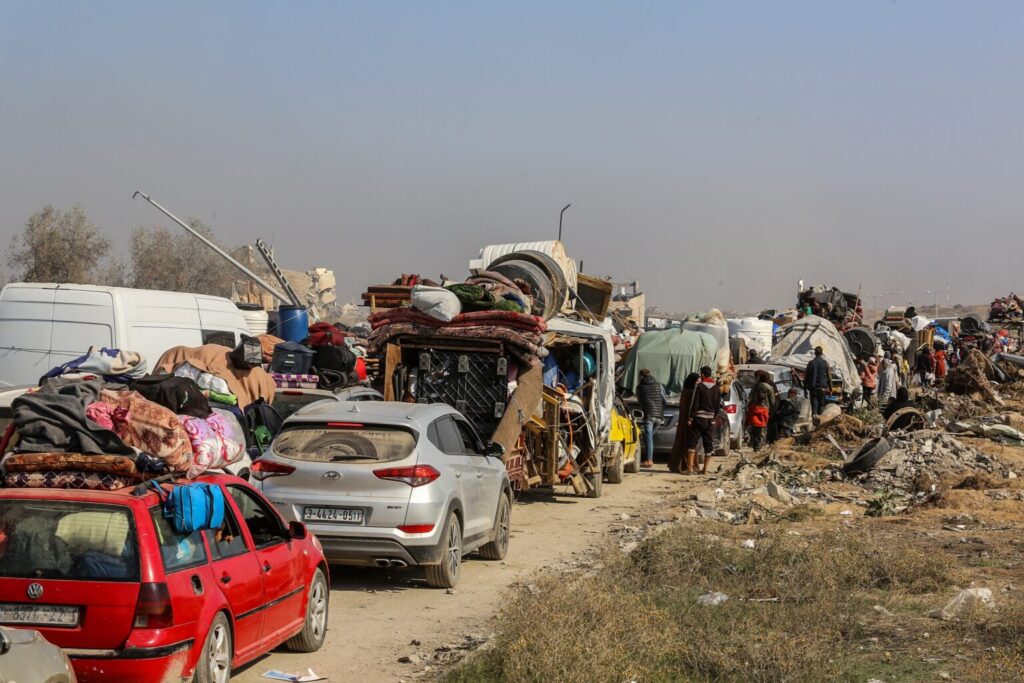
The Lebanese newspaper Al-Akhbar published a report over the weekend stating that Egypt is considering opening its borders for the temporary acceptance of up to half a million Palestinians from the Gaza Strip and establishing a dedicated residential city for them in northern Sinai. This report, which has yet to be confirmed by an official source, is generating interest throughout the Middle East.
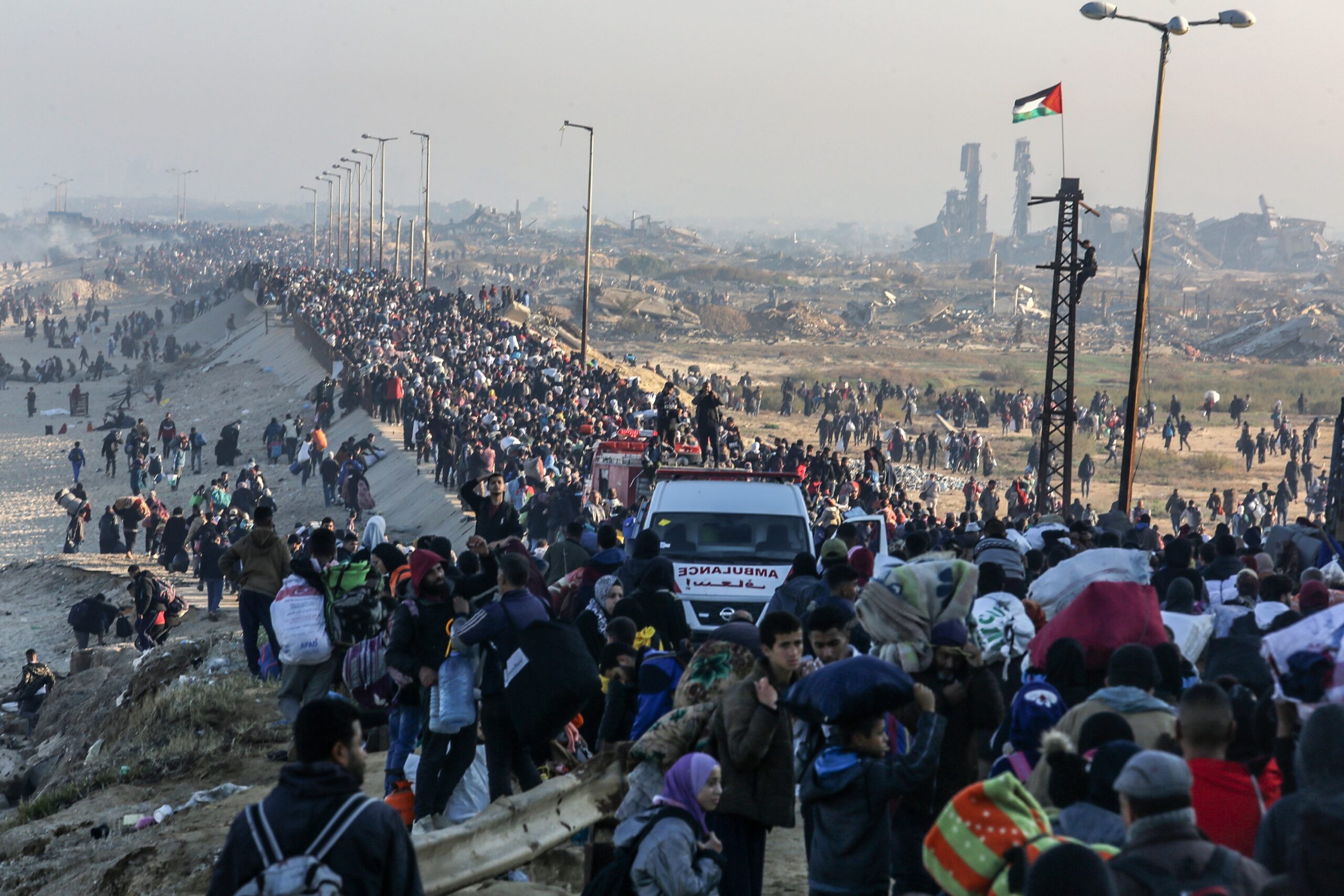
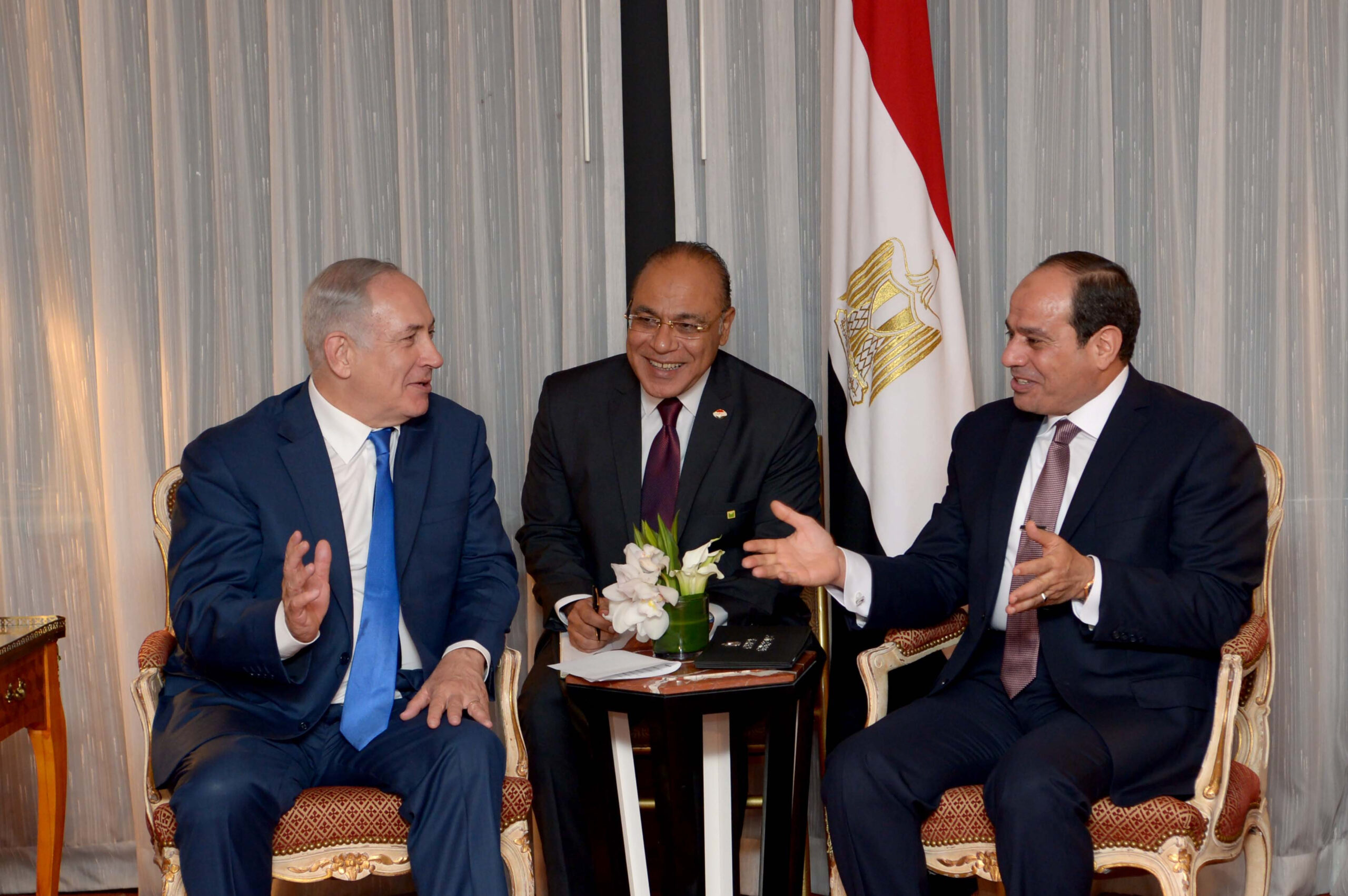
The publication claims that these statements were made by Egyptian President Abdel Fattah el-Sisi during regional meetings held in Riyadh and Doha, where scenarios for the future of the Gaza Strip were discussed—including the escalation of the fighting and the possibility of a “temporary transfer” of the civilian population.
A Sign of the Intensity of American Pressure on Arab States
As is often the case with Al-Akhbar reports, which are aligned with the pro-Iran axis, it is difficult to determine whether the statements reflect reality or are intended to pressure the involved parties. However, the mere fact that this possibility is being discussed in regional forums underscores the significant American pressure on the Arab countries relevant to President Trump’s initiative.
Facing Iran
In addition to the refugee issues from Gaza, the diplomatic meetings also addressed the possibility of military confrontation between the United States and Iran. According to the report, Gulf countries have received American warnings about preparations for a possible attack, with the use of military bases in Arab countries and routes in the Red Sea.

It should be noted that the White House has sent a strong message to Iran demanding complete restraint of its nuclear plans and cessation of its involvement in regional conflicts—or else the United States will take substantial action against it.