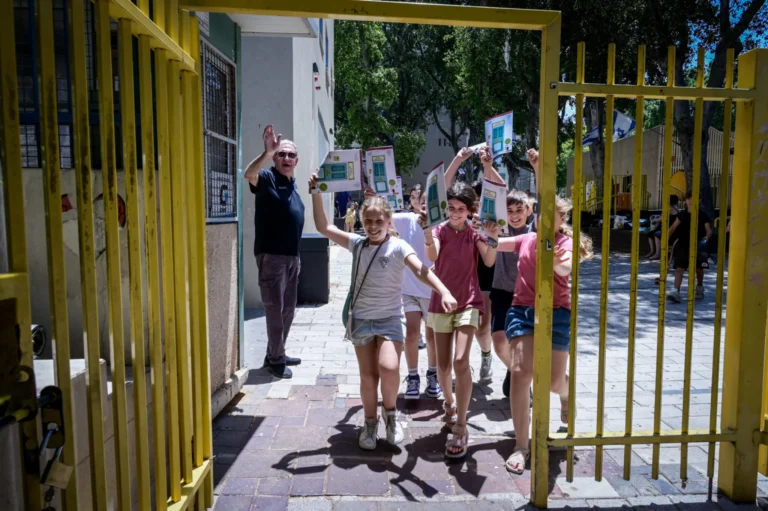

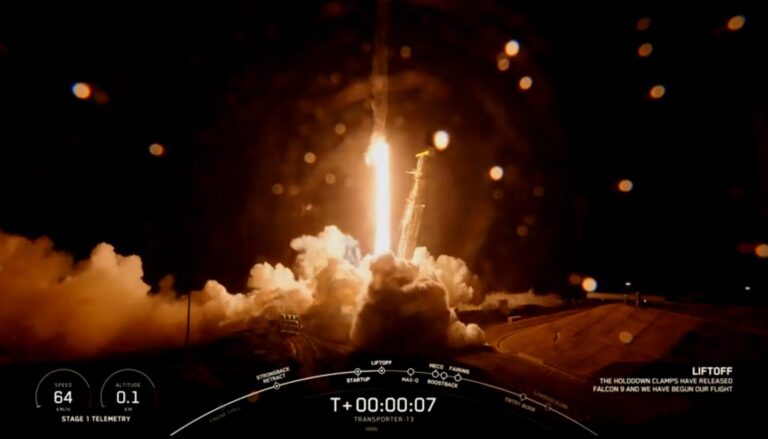
In an unprecedented engineering and scientific feat, nine satellites built by students from across Israel were launched Saturday morning into space from the U.S. Space Force Base in California.
This marks the largest Israeli satellite constellation ever sent into orbit as part of an innovative educational program led by the Ministry of Innovation, Science, and Technology, Tel Aviv University, and nine local municipalities.
Historic Achievement: Largest Israeli Satellite Constellation Successfully Launched
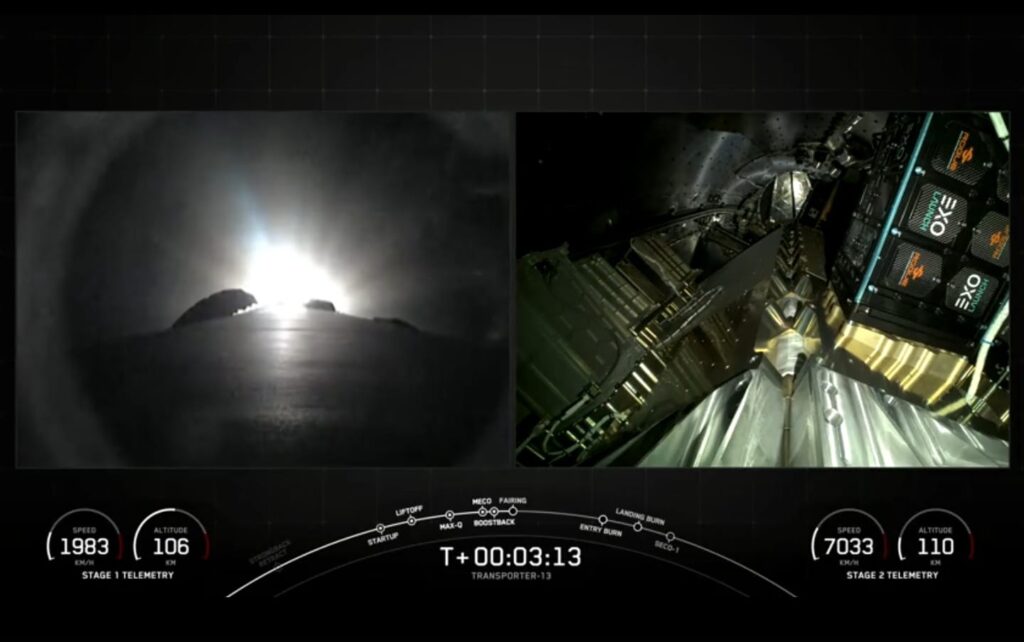
A new chapter in Israeli space history was written today at 08:39 AM when nine miniature satellites, designed and built by high school students, were launched into space from the Vandenberg Space Force Base in California. This extraordinary initiative is a collaboration between the Ministry of Innovation, Science, and Technology, Tel Aviv University, and nine municipalities.
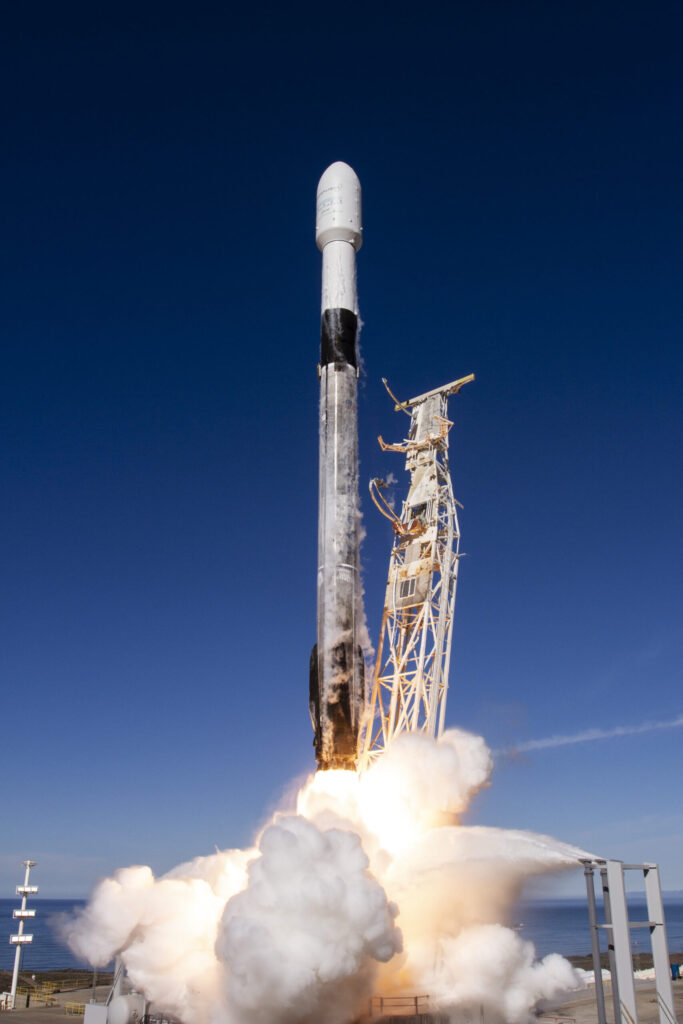
The nine satellites, each measuring 10x10x11.3 cm, were launched aboard SpaceX’s Falcon 9 rocket into low Earth orbit, approximately 500 km above the planet.
A Shared Dream Becomes Reality
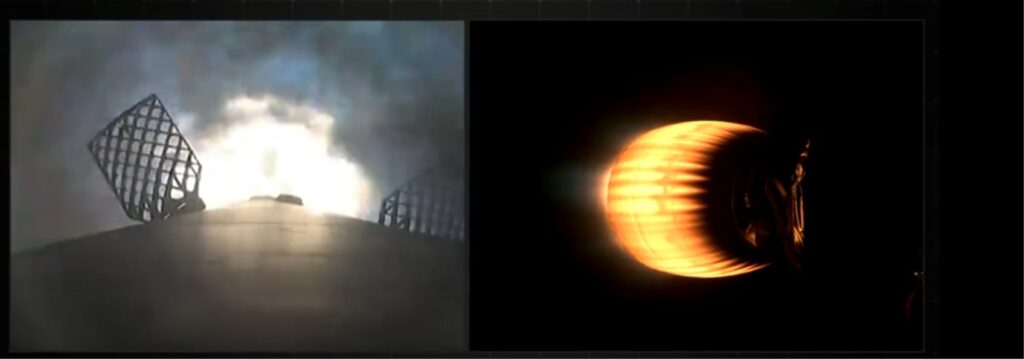
About 50 minutes after launch, the satellites successfully detached from the rocket, entered independent orbit, and will complete a full cycle around Earth every 90 minutes.
Minister of Innovation, Science, and Technology Gila Gamliel praised the achievement: “The Tevel-2 project represents the pinnacle of Israeli innovation in scientific and technological education. It is incredibly moving to see young people from all sectors of Israeli society working together to turn a dream into reality. What these talented students have accomplished is nothing short of amazing – they have built the largest Israeli satellite constellation ever launched!”

Science, Education, and Commemoration: The Project’s Mission
The ‘Tevel-2’ project is not only a technological achievement but also a groundbreaking educational and social initiative, bringing together diverse communities in Israel. With a budget of approximately 10 million shekels, the project aims to promote scientific education in peripheral areas, inspire youth to engage with space research, and unite different populations through a shared national mission.
The First Druze-Built Satellite in History
Among the project participants are five Jewish municipalities: Yeruham, Sha’ar HaNegev, Ma’ale Adumim, Givat Shmuel, and Herzliya; three Arab municipalities: Ein Mahil, Tayibe, and Kafr Qara; and one Druze municipality: Yarka, where the first-ever Druze-built satellite was developed.
Additionally, four satellite communication stations were established in Israel in Herzliya, Yeruham, Givat Shmuel, and Sha’ar HaNegev, allowing students to receive data from the satellites and control them in real-time.

Scientific Mission: Measuring Cosmic Radiation
Under the supervision of Tel Aviv University, the satellites were launched with a unique scientific mission – measuring cosmic radiation in Earth’s orbit.
Professor Meir Ariel, head of the Space Engineering Center at Tel Aviv University, explained: “Cosmic radiation consists of high-energy particles originating from the sun and deep space, which can impact astronauts and electronic systems in space. Our experiment will provide an accurate radiation map and assess its effects on satellite components.”
A Touching Tribute: Honoring the Memory of October 7 Victims
One of the satellites, built by students from Sha’ar HaNegev Regional Council, carries a unique commemorative mission. It will transmit signals bearing the names of those murdered and fallen during the October 7 attack and the “Swords of Iron” war, broadcasting them into space and recording them on the Israeli Space Agency’s website.

This project holds special meaning for Sha’ar HaNegev, as its regional council leader, the late Ofir Libstein, was killed on October 7 while defending local communities.
Investing in the Future: “Space Research is an Investment in Tomorrow”
Brigadier General (Res.) Uri Oron, Director of the Israel Space Agency, concluded: “The Tevel-2 project is a testament to Israel’s innovative power. We see here a perfect blend of scientific excellence, technological education, and social cohesion. These satellites not only provide critical scientific data but also inspire the next generation of Israeli space scientists.”
The satellites are expected to remain in orbit for three years, during which they will provide valuable scientific data for researchers and students in the field of space exploration. Beyond its scientific significance, this project turns dreams into reality for Israeli youth across all sectors, positioning Israel at the forefront of global innovation.