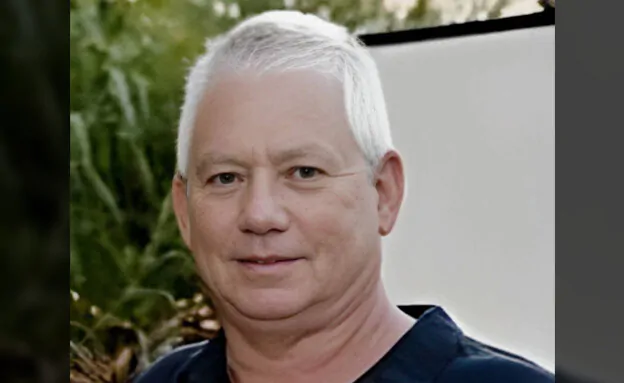

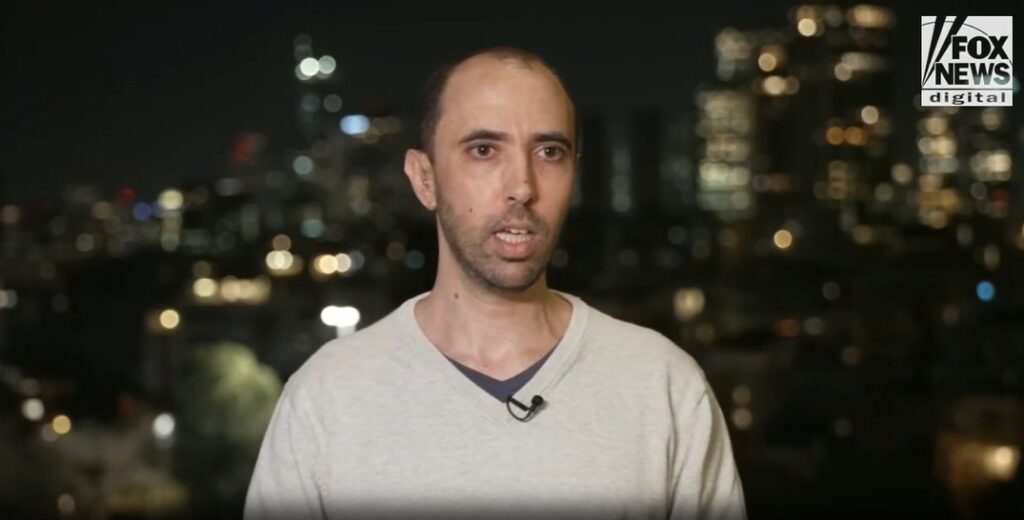
Tal Shoham, who was held captive for 505 days by Hamas and returned home about three weeks ago, shared his difficult experiences in his first interview with American Fox News. Tal spoke about life under impossible conditions—almost without air to breathe, without light, and in a room the size of five and a half meters, which he shared with three other hostages.
Shoham remembers every detail from his captivity, sharing his story for the sake of his two fellow hostages, Evyatar David and Guy Gilboa Dalal. “Just as someone comes out of the womb into life, so I emerged from the tunnel where I was held, and I was reborn,” he said. Evyatar and Guy are still held captive in Gaza. “I can’t sleep at night knowing they’re still there.”
I Decided There Was No Way I Would Give Them Satisfaction
Tal Shoham was kidnapped from Kibbutz Be’eri on October 7, 2023. His wife and two children, aged four and eight, were also kidnapped. He was unaware of this when he was forcibly placed in the trunk of a vehicle and driven to Gaza by Hamas militants. There, many Gazans gathered around him. “Boys with sticks ran at me, trying to hit me from every direction,” he recalls.
When he was taken out of the vehicle, his captors aimed a Kalashnikov at him, ready, he believed, to execute him, and tried to force him to kneel. “I decided there was no way I would give them the satisfaction of seeing me scared first,” he recounted. “I said, ‘I can’t control whether you kill me or not.’ I raised my hands, but refused to kneel: “If you want to kill me, kill me, but you won’t execute me like ISIS.'”
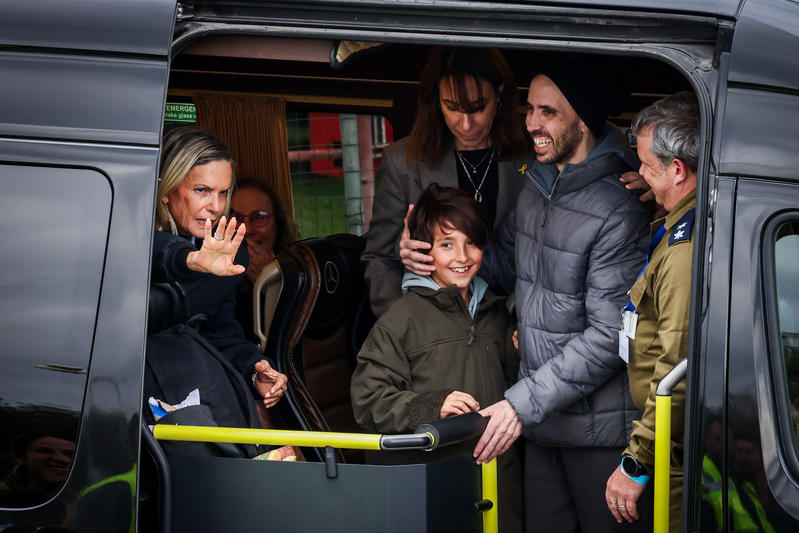
Afterward, the militants marched him through the streets of Gaza in what he describes as a “victory parade.” “They shouted, ‘Soldier! Pig! Zionist!’ A crowd gathered around me, boys with wooden sticks tried to hit me,” he said. Despite the violence he endured, he made sure to maintain his composure. “I simply waved and smiled. I didn’t show fear. ‘You caught me, but you won’t see terror in my eyes.'”
Isolation Was Worse Than Extreme Hunger
Initially, Tal was taken to a family house in Gaza, where he was held alone, handcuffed at all times, for 34 days. Although he was allowed to shower occasionally, the conditions of captivity were harsh and cruel. He received little food. “In the first three days, I received a pita. After that, they stopped giving me even that,” he recounted. “The food supply ran out. There were days when I received three teaspoons of avocado and three dates, or half an orange from the tree in the yard.”
According to him, the most difficult torment was not hunger. “I’m 40 years old, and I’ve never experienced such suffering in my life,” he shared. “Isolation, being alone with unending thoughts, that was worse than extreme hunger.”
To survive, he had to make a very difficult decision. “I had to come to terms with the fact that my family was dead. I sat on the floor and imagined myself at their funeral. I stood before a grave, one large for my wife and two small for my children, and gave a eulogy for them. I thanked them for the time we had. I told them to move on. I cried, but I didn’t let my captors see me cry. That was the hardest thing I did, burying my family in my thoughts.”
I Read It and My Hands Trembled
On the 34th day of his captivity, Evyatar and Guy were brought to the house where he was held. Shoham said that Hamas militants tortured them daily, hitting them, denying them food while they themselves ate in front of their eyes. The hostages were allowed only about 300 calories a day.
And then, on the 50th day of captivity, a small glimmer of hope arrived. Tal received a sign of life from his wife, a letter stating that she and their children were about to be released. “I read it, and my hands trembled,” he recalls. “The most important thing happened, my family was safe. I didn’t need to be a father and husband protecting them anymore. Now, I could focus on my own battle, the one I know how to fight, the battle for survival.”
Hamas Never Stopped Digging Tunnels
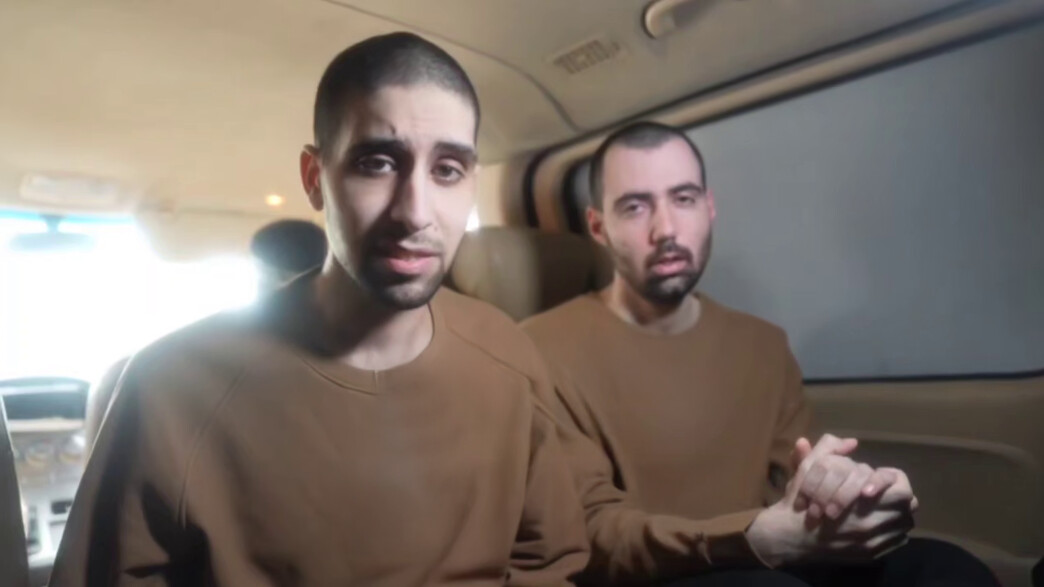
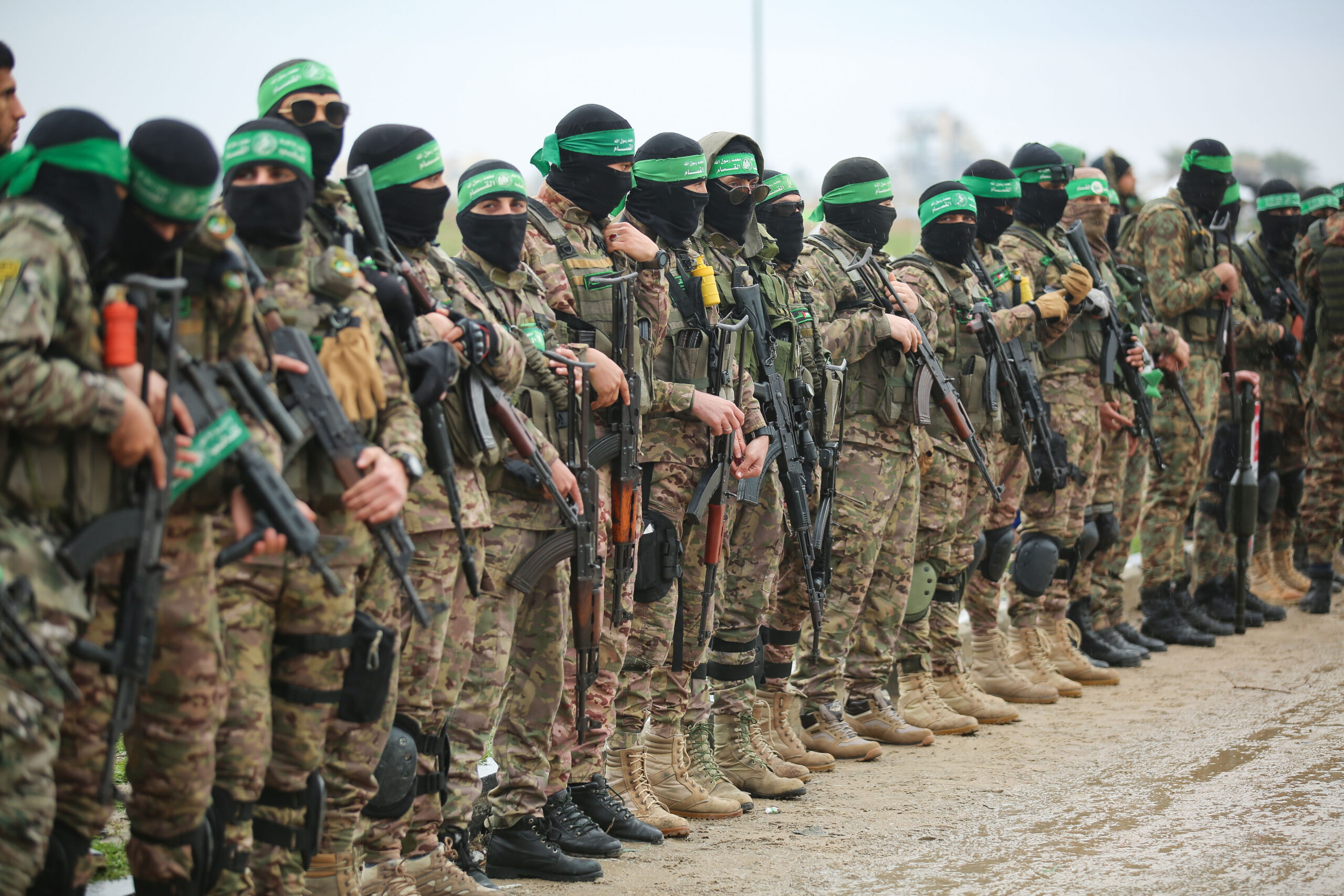
In June 2024, Tal, Guy, and Evyatar were transferred in an ambulance used by Hamas to secretly transport hostages into an underground tunnel, where another hostage, Omer Vankart—was already being held. Inside the cramped space were four mattresses on the floor and a small pit serving as a “toilet.” The dark room was illuminated by only one dim light bulb. “It took me weeks to stop feeling like the walls were closing in on me, to get used to the lack of oxygen,” he shared.
The water supply they received was limited, only 300 ml a day, a little more than a small cup. The four of them had to decide whether to drink the water or use it for washing their hands. The only food provided was rice. As the months passed, they were beaten, humiliated, constantly monitored by cameras, and randomly deprived of food and sleep. Their guards were Hamas tunnel diggers, who continued their work day and night. “Hamas never stopped digging tunnels,” Tal said, adding, “Not even for a single day.”
It Tasted Like Dog Food, But It Improved Our Condition
The harsh conditions led both him and Evyatar to develop serious infections, but it took months before they saw a doctor. “My leg became blue, yellow, and purple due to internal bleeding,” he recalls. “They gave us blood thinners for fear that we would develop blood clots from lack of movement. Eventually, they realized the problem was malnutrition, so they gave us vitamin supplements for seven days. It tasted like dog food, but it dramatically improved our condition.”
The abuse continued. A new guard arrived and was even more brutal than his predecessors. “He forced some of us to kneel like dogs and beat us,” Shahem recounted. “He would enter shouting, cursing us as ‘dirty Jews,’ hitting us, and then, ten minutes later, smile and bring food.”
I Didn’t Care, I’m Going Home
Then what seemed like a miracle happened. In February, Tal and Omer were included in a deal signed with Hamas. Before returning to Israel, he had to endure another humiliation, a parade on a stage in the heart of Rafah, where he was forced to repeat Hamas propaganda. “I didn’t care, I’m going home,” he recalls.
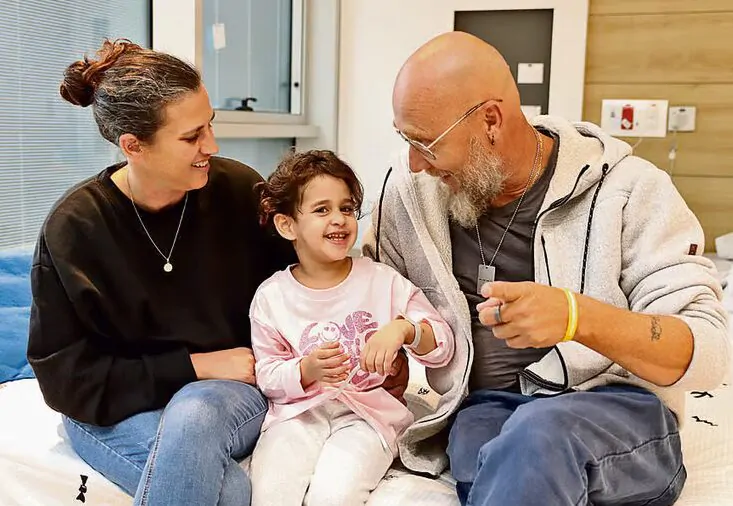
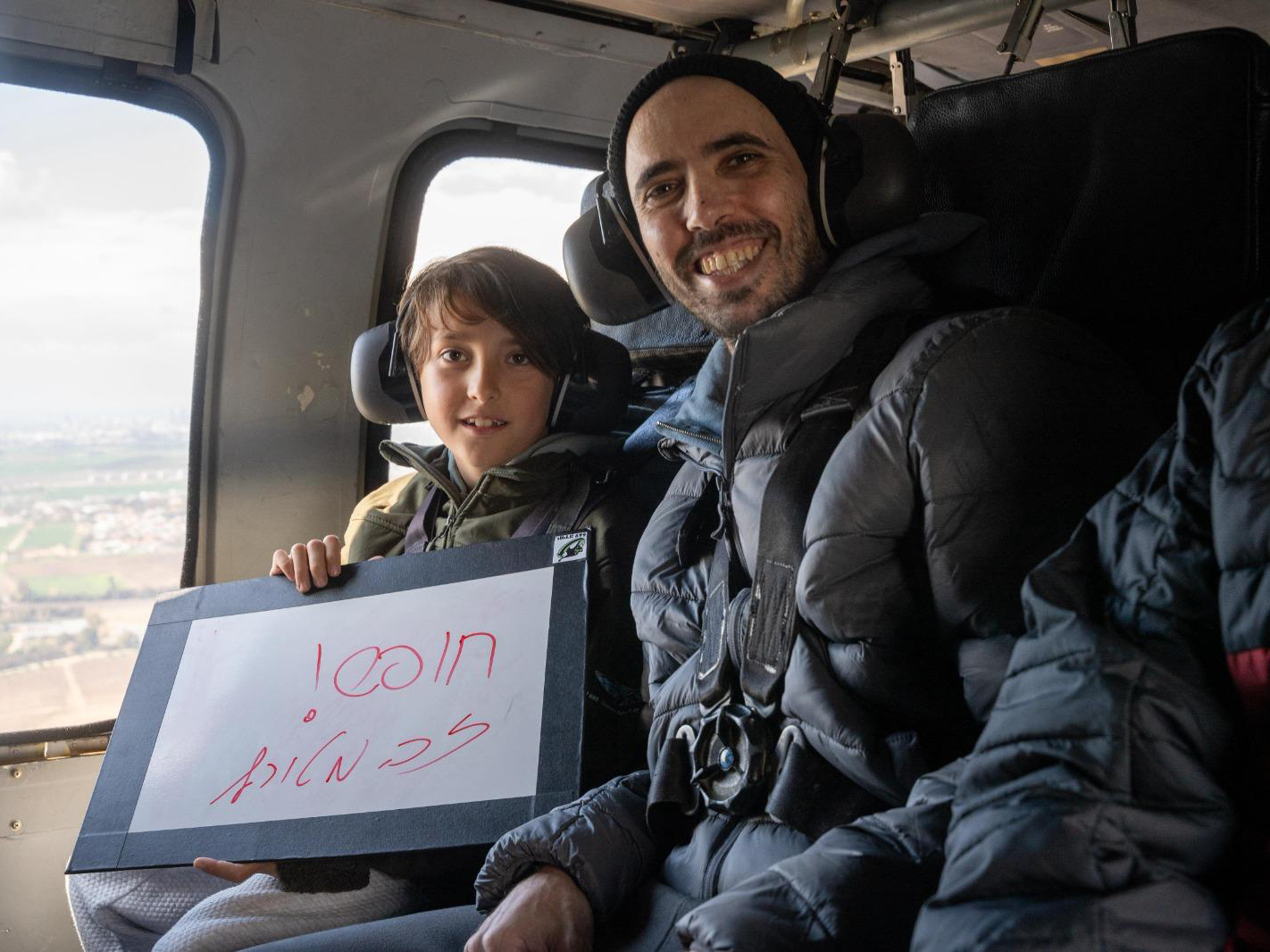
When he arrived in Israel, he was taken to a base in Re’im, where his wife Adi and their two children, Naveh and Yahel, were waiting for him. “It was a dream come true, but it still felt like a dream,” he said excitedly. “It took me a few days to realize it was real. It was hard to digest. I felt like I was floating above everything, overwhelmed with emotions.”
We Maintained Our Inner Cleanliness, Our Humanity
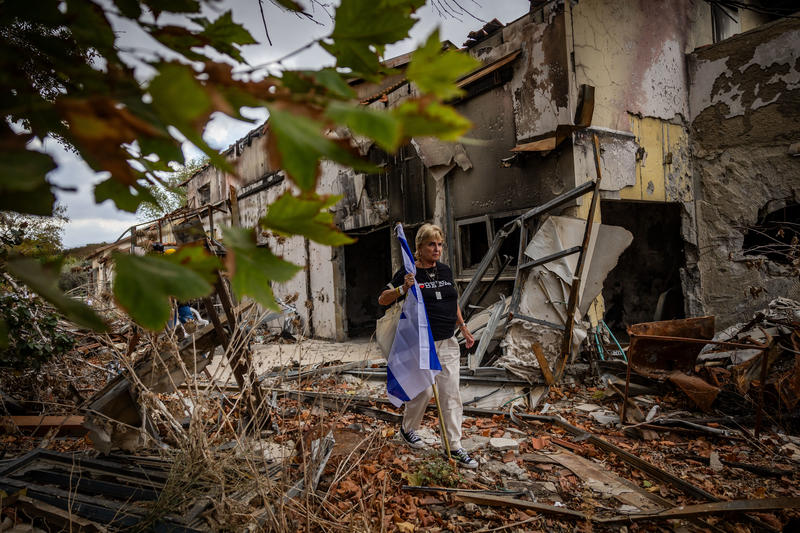
With his return also came the painful news. Eleven of Tal’s family members were kidnapped or murdered on October 7. Adi’s father, Avshalom Haran, as well as Lilach Kipnis, Adi’s sister Shoshan, and her husband Evyatar—were murdered in the massacre at the kibbutz. Two other relatives, Sharon Avigdori and her daughter Noam—were released in the first deal. Two other relatives who had come from the United States to celebrate a birthday, Yehudit Raanan and her daughter Natalie, were also kidnapped from the kibbutz and returned in the first deal.
Alongside the pain, there was also joy. During his captivity, four babies were born in his family. “Among us, the Jewish hostages, there was purity,” he concluded. “There was self-respect. The militants brought upon us all the horrors they wanted, causing as much pain and cruelty as possible, trying to impose their inhumanity on us. But within our space, we maintained our inner cleanliness, our humanity among us, and that was critical in order to come out of captivity unbroken.”
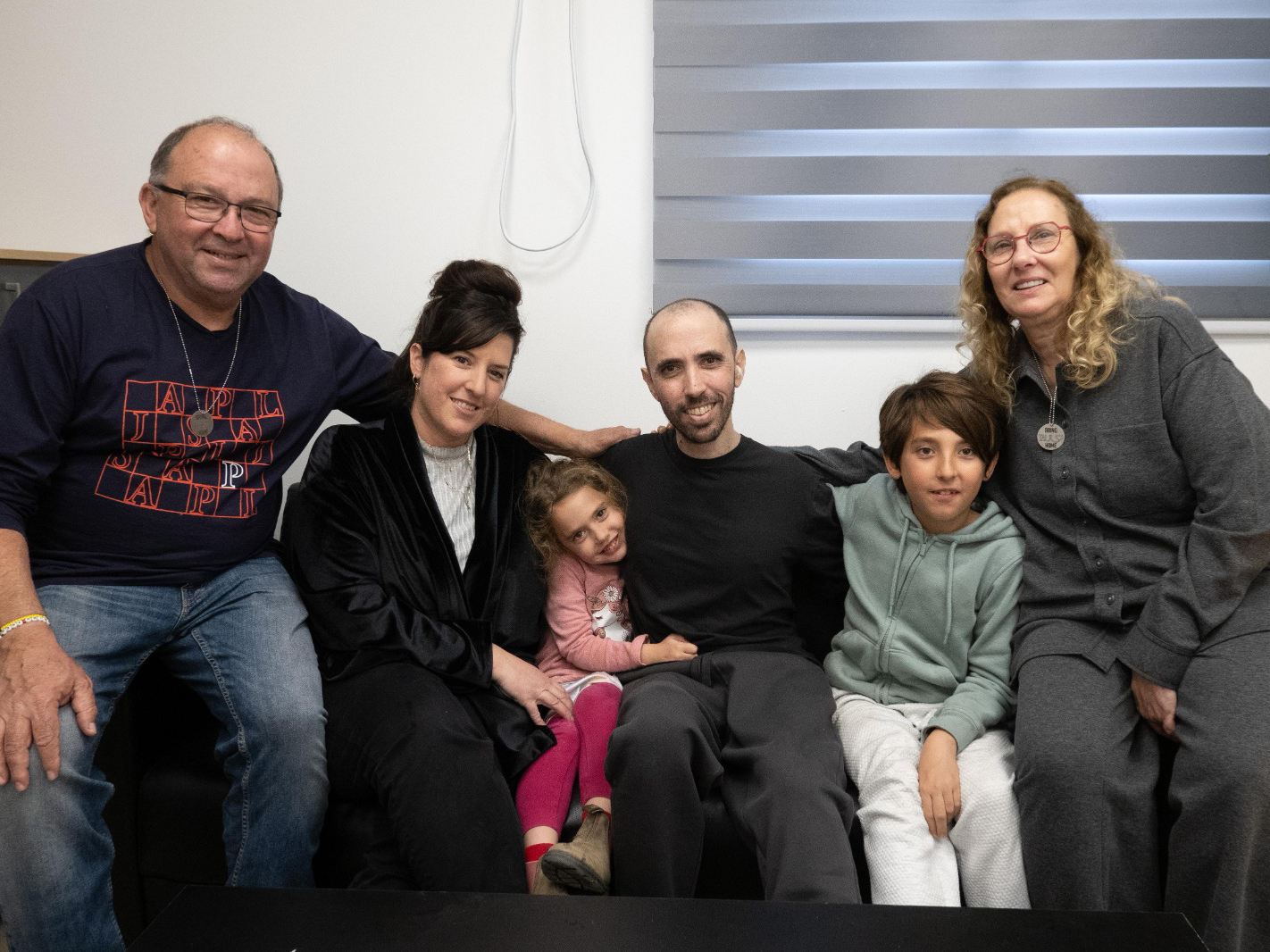
“It Took Me a Few Days to Realize It Was Real. It Was Hard to Digest. I Felt Like I Was Floating Above Everything, Overwhelmed with Emotions. It took me weeks to stop feeling Like the walls were closing in on me.”