
IDF Chief Cancels Holiday Leave Policy to Maintain Year-Round Readiness
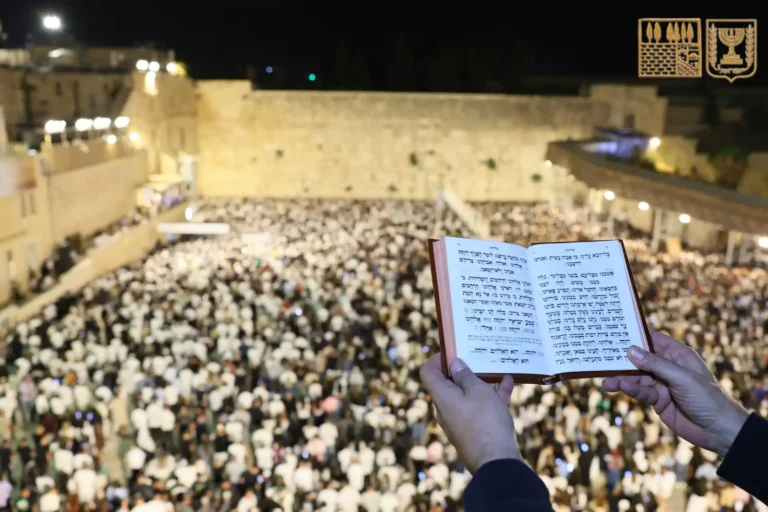
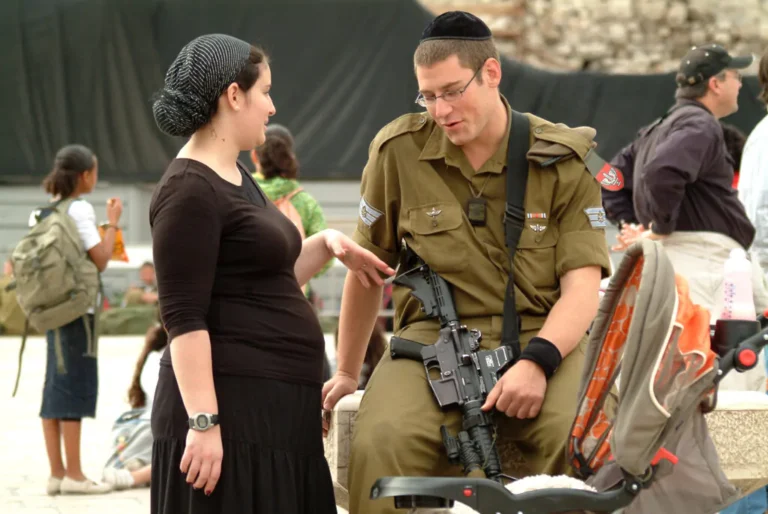
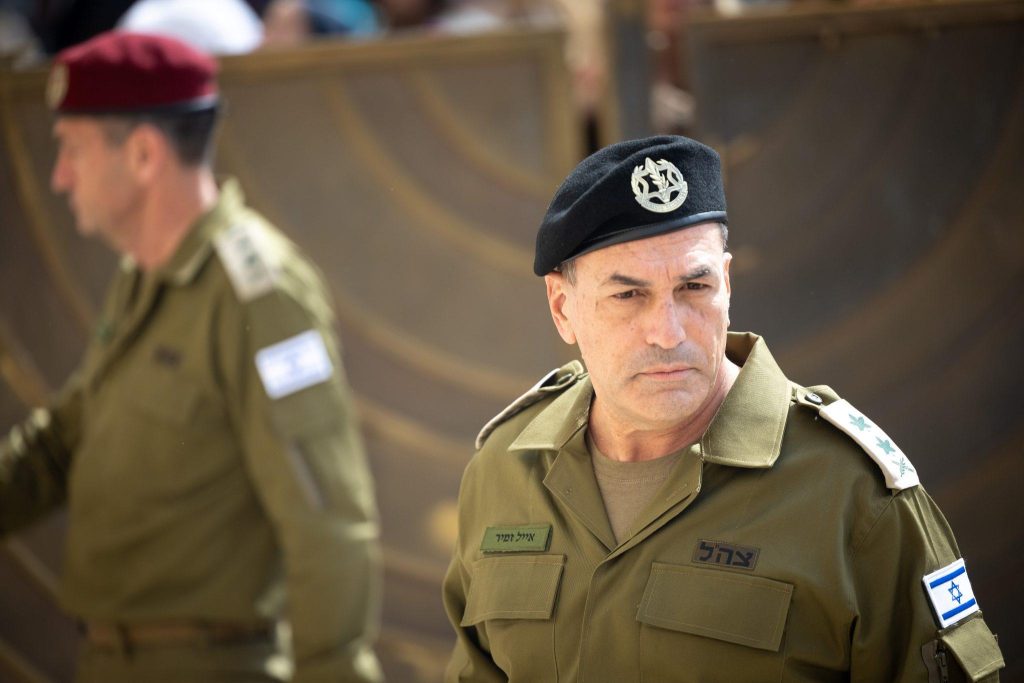
The newly appointed IDF Chief of Staff, Lt. Gen. Eyal Zamir, announced today (Monday) a significant decision he made to cancel the military’s long-standing holiday leave policy, which allowed for mass leave during national and Jewish holidays. This decision, driven by the lessons of October 7, aims to ensure that the IDF remains at full operational readiness throughout the entire year, so reported journalist Yossi Yehoshua today.
According to the report, IDF soldiers will still be entitled to leave and scheduled breaks, but there will no longer be widespread holiday leave periods where large portions of the military are temporarily inactive. The primary goal of this change is to prevent situations where the IDF is caught off guard or in a state of reduced readiness during sudden security threats.
Ensuring Maximum Readiness at All Times
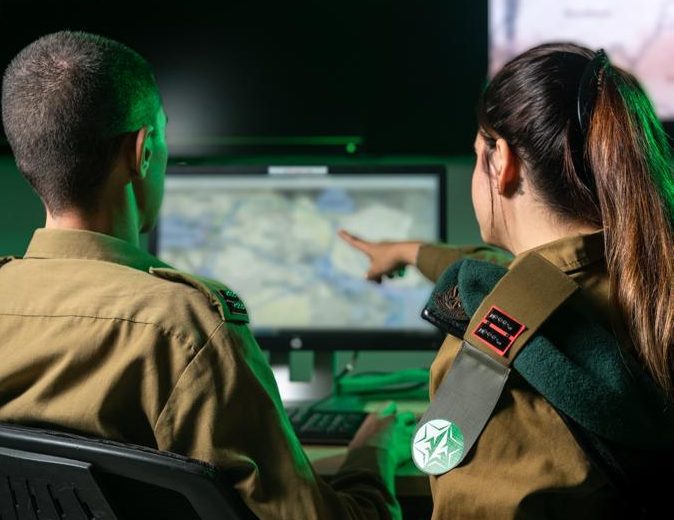
Zamir emphasized that past lessons have demonstrated that security threats can emerge precisely during routine periods or holidays, making it critical to maintain a high level of alertness at all times.
The IDF clarified that soldiers will still have access to their leave and rest periods, but under a more controlled and strategic framework that preserves the operational readiness of all units.
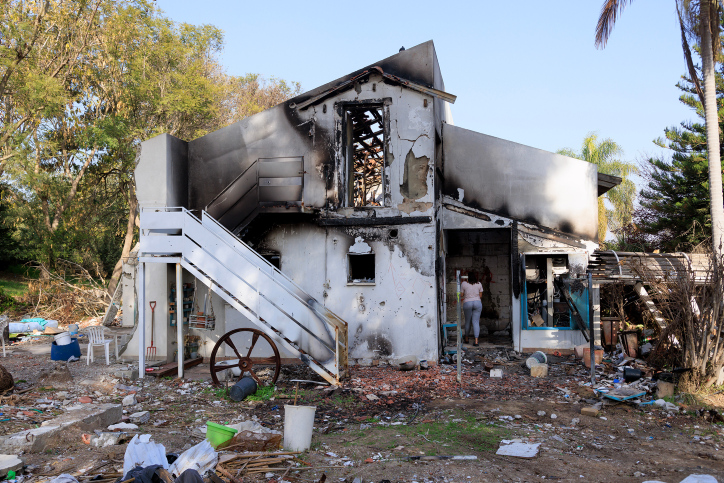
A First-of-Its-Kind Decision
This unprecedented move is designed to prevent the IDF from ever again facing the unpreparedness seen in past security crises. The decision is part of a broader series of reforms being implemented by Chief of Staff Zamir to strengthen the military and adapt it to Israel’s current and future security challenges.