

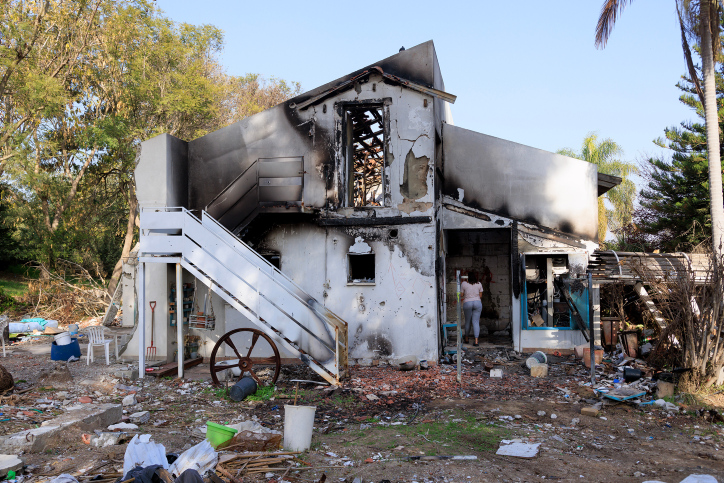
The Israel Security Agency (known as the Shin Bet) released the main findings of its October 7th investigation this evening (Tuesday), concluding that the October 7th massacre could have been prevented if the agency had acted differently.
Shin Bet Director Ronen Bar acknowledged the grave failure, stating: “As the head of this organization, I will carry this heavy burden on my shoulders for the rest of my life.” The report presents a comprehensive analysis of failures in intelligence, warnings, handling of information, and lack of preparedness for Hamas’ military attack.
The Background of the Attack
At 06:29 on the morning of October 7th, Hamas broke through the Gaza border fence and infiltrated Israel, launching a large-scale premeditated attack on Israeli communities near Gaza. The Shin Bet failed to identify the attack accurately, and the agency did not issue an adequate warning to security forces. The investigation reveals that on the night of October 6th into the 7th, warning signs emerged from intelligence sources, but were not properly addressed.
The Major Failures
Faulty Intelligence Handling:
Shin Bet had intelligence on Hamas’ attack plan (which Israel referred to as “Walls of Jericho”) as early as 2018 and 2022. Yet despite clear warning signs of Hamas preparing for an attack, they were not properly categorized as a military threat or classified as an imminent risk. This enormous failure resulted in a lack of proper intelligence assessment, and as a result, crucial information was not fully utilized in the days and hours leading up to the attack
Lack of Clarity Regarding the IDF’s Responsibilities:
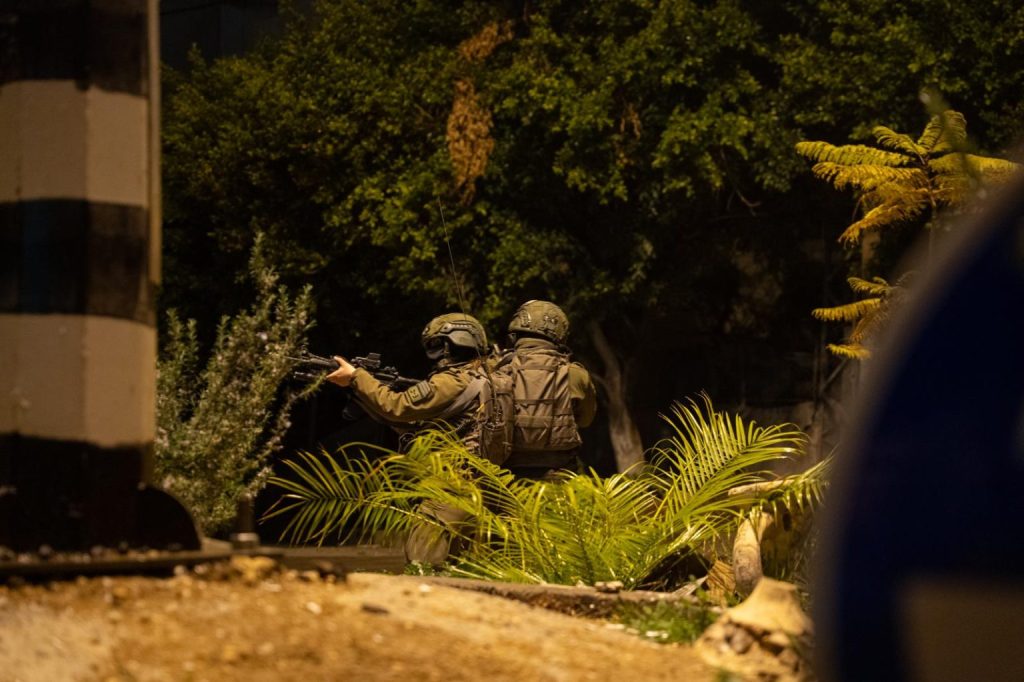
The investigation highlights the need for a clearer division of responsibilities between Shin Bet and the IDF. The Shin Bet failed to adapt its counterterrorism approach to Hamas’ military threats, placing too much emphasis on counterterrorism models rather than preparing for a large-scale military assault
Breakdown in Oversight Mechanisms:
In recent years, Shin Bet had closed key oversight units, weakening its ability to monitor intelligence operations. This significantly impaired the agency’s ability to detect Hamas’ preparations in real time and prevent the attack.
Details of the Attack and Intelligence Failures
Intelligence Received on the Night of the Attack:
At 03:03 on October 7th, a warning was issued to security forces about “possible offensive activity” by Hamas -however the warning lacked precise details on the scope of the attack, The alert was not translated into clear operational instructions, which prevented troops from preparing adequately.
Failure in Intelligence Operations Management:
On the night of October 6th, Shin Bet’s intelligence alert system was not activated despite indications of unusual activity, which were therefore not fully analyzed or cross-checked with the broader intelligence authorities.
Government Policy Allowed Hamas to Arm Itself
Long-Term Strategic Errors:
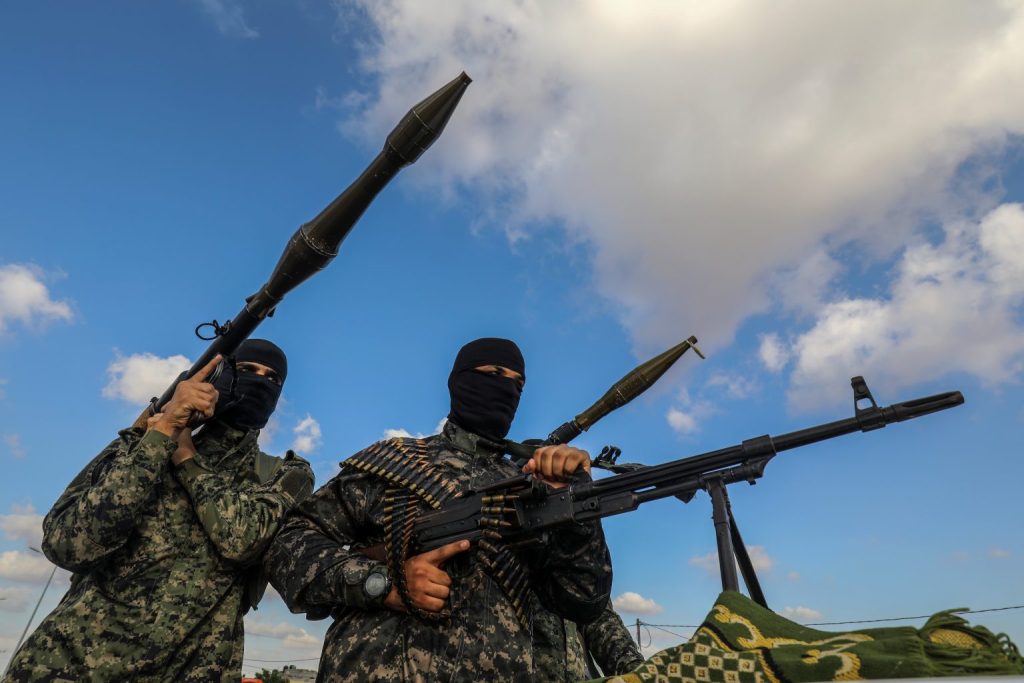
Years of government policy focusing on ‘maintaining calm’ at the Gaza border allowed Hamas to build up its military strength. Qatari funds being funneled to Hamas’ military wing, combined with Israel’s lack of any preemptive military action, enabled Hamas to become a well-organized military force with advanced capabilities
Failure to Understand the Enemy’s Intentions:
The Shin Bet assessed that Hamas would focus on igniting violence in Judea and Samaria rather than launching a major attack from Gaza – and were proven to be completely wrong. Hamas also exploited the Shin Bet’s operational limitations within Gaza, and prevented Israel’s ability to recruit and manage intelligence assets within Gaza.
The Shin Bet’s Response in the First Hours of the War
Within the first 24 hours after the attack, Shin Bet initiated a series of rapid actions, including:
– Establishing special command centers for monitoring hostages and tracking terrorist infiltrations.
– Launching a task force to target senior Hamas operatives in Gaza and abroad.
– Deploying a dedicated force to northern Israel to prepare for possible infiltration by Hezbollah’s Radwan force.
– Activating a special unit to interrogate captured Hamas fighters.
Key Lessons and Organizational Changes
Following the severe failures revealed by the investigation, Shin Bet has begun implementing major structural and procedural changes, including:
– Establishing a real-time intelligence monitoring center
– Revamping intelligence analysis methodologies.
– Creating a joint anti-terror finance unit with the IDF.
– Developing new early-warning models for every counterterrorism division.
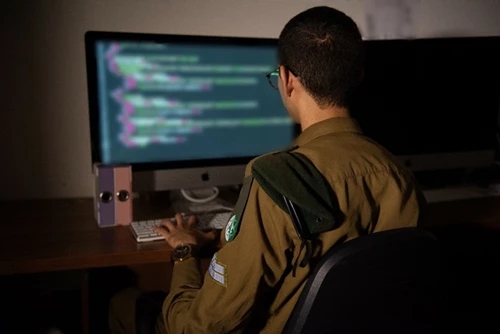
– Enhancing cooperation with IDF Unit 8200.
Conclusions and Future Commitments
The Shin Bet Director emphasized the agency’s commitment to correcting its failures and ensuring such an event never happens again: “We are committed to fixing what is necessary to prevent future disasters as much as possible.” The Shin Bet has pledged full transparency with the public and ongoing improvements to its internal systems.
The Shin Bet’s admission of failures marks a critical step toward accountability and reform. As the agency implements urgent changes, its commitment to preventing future disasters will be closely scrutinized in the face of evolving security threats.