

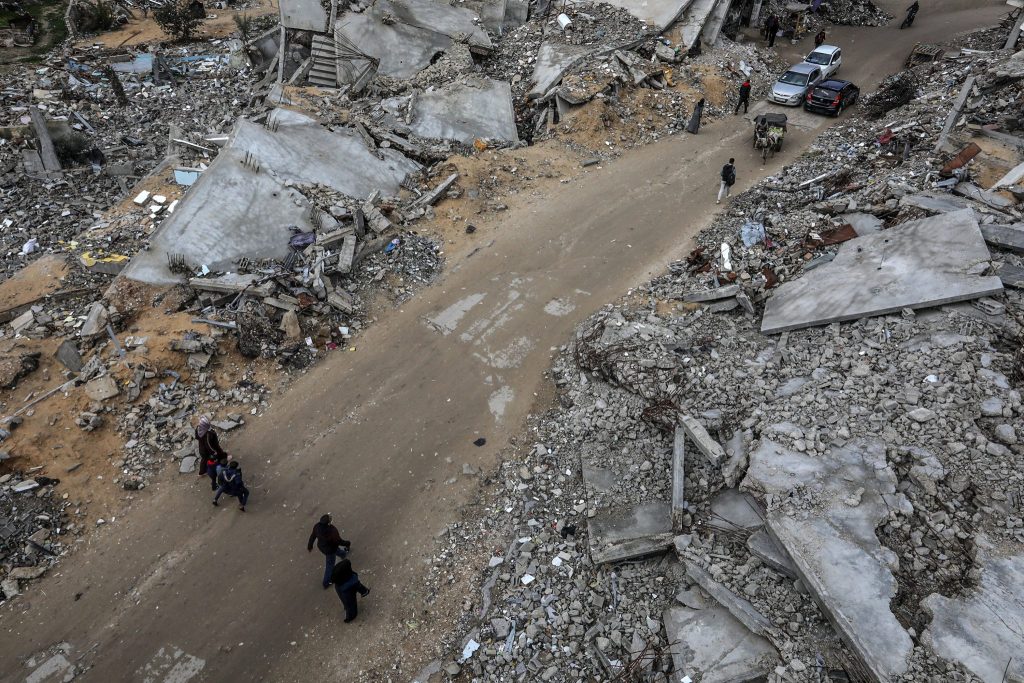
Despite its ostentatious displays of power during the release of hostages, the Hamas terrorist organization is, in reality, experiencing severe difficulties due to growing demands from Gaza residents for reconstruction and improved living conditions. Hamas’ show of strength actually masks an internal crisis. This was the assessment given today (Wednesday) by former Director of Strategic Planning of multidisciplinary sections in the IDF’s Planning Directorate Lt. Col. (Res.) Amit Yagur, in an interview with Radio 103FM.
“Hamas was seemingly willing to pay the price and tactically agreed to compromise on its status in Gaza,” Yagur stated. He elaborated, “They were under pressure; the issue of rebuilding was crucial at that time. The citizens of Gaza came to them with demands—and rightly so.”

How Things Started to Fall Apart for Hamas
To illustrate Hamas’ current strategy, Yagur drew from Islamic history: “I’ll use a Shiite term: ‘Taqiyya,’ which refers to strategic deception—the willingness to make a tactical concession to achieve a larger goal,” he explained.
From the outset of the war, Hamas abandoned its military strength in favor of retaining political control. But now, Yagur suggests, the terrorist organization has no choice but to relinquish even its remaining hold over the Gaza Strip.
“They now realize that retaining control is nearly impossible, and that the cost won’t just be their removal from Gaza—it will also mean the removal of those they govern, especially in light of the Trump Plan,” he added.
Arab States? Uninterested in Taking in Palestinians
Additionally, Yagur argued that various Arab nations remain concerned about the potential Palestinian migration plan proposed by U.S. President Donald Trump. “Egyptians, Saudis, and Jordanians have genuine national security concerns. They do not want the Palestinians,” he stressed.
Beyond the fear of refugee waves, these countries prefer that Israel remain preoccupied with Gaza: “As long as Israel is busy with Gaza, it is less focused on them.”
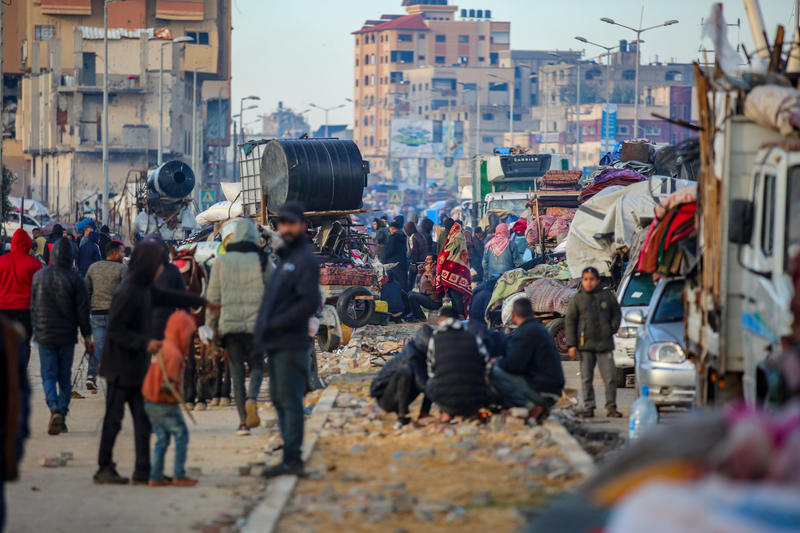
The Deep-Rooted Hatred Between Hamas and Fatah
Addressing the long-standing historical divide between Fatah (the controlling party of the Palestinian Authority) and Hamas, Yagur noted: “The theological animosity between Fatah and Hamas has always been immense, which is why they could never coexist for long—except under ‘Taqiyya.’ In the future, they will resum throwing each other off rooftops.”
He concluded that the coalition between the two factions has always been temporary and could never withstand the ideological and strategic divisions that have surfaced time and again over the years.