

Only several hours of sudden, unexpected negotiations with Hamas regarding the details of the ongoing hostage deal have yielded positive results for Israel: the expedited return of most of the fourteen hostages whose release was agreed upon in Phase 1. This information, reported by various sources in recent hours, received semi-official confirmation at 3:00 PM with a statement from Hamas leader in Gaza, Khalil al-Hayya. The Prime Minister’s Office also reported success of the negotiations.
Acceleration of Phase 1
According to the Prime Minister’s Office, four deceased hostages will be returned to Israel this Thursday (February 20), while another six surviving hostages will return this coming Shabbat (February 22). These six include Israeli citizens Avera Mengistu and Hisham al-Sayed, who were not abducted on October 7 but have been held by Hamas for nearly a decade. The following Thursday (February 27), the remaining four deceased hostages will be repatriated, completing all exchanges that had been agreed upon for Phase 1 of the deal.
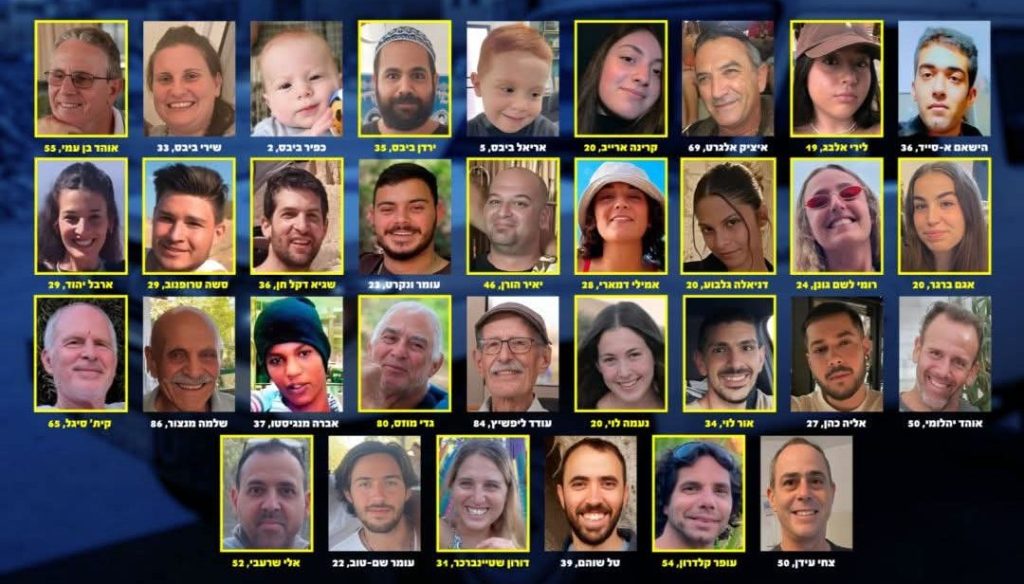
It is worth noting that, according to the original timeline, three living hostages were set to return this coming Saturday, with the rest—both those killed and those still living – slated for the following Saturday. Recent discussions had already moved up the return of the deceased hostages to two equal rounds on Thursdays. However, the current agreement shortens the captivity period for three hostages by a full week.
The identities of the hostages killed on October 7 or during their captivity have been announced by Hamas, but aside from 86-year-old Shlomo Mansour, the eldest of the hostages, whose death was confirmed last week by Kibbutz Kissufim, they have not yet received official confirmation of death from Israel. The Hostage, Returnees, and Missing Persons Directorate in the Prime Minister’s Office has requested that the media and the public refrain from spreading images, names, and rumors surrounding the expected return of the fallen this Thursday, to respect the privacy of the families.
Israel’s Concessions
In exchange for the expedited return of the hostages, Israel has reportedly agreed to facilitate the transfer of housing caravans and mechanical equipment for clearing rubble in Gaza. The agreement explicitly states that Israel will provide Hamas with these items only after rigorous security inspections. Last week, Hamas nearly derailed the deal due to alleged delays in their delivery, announcing a freeze on hostage releases. However, the terror group quickly reversed its decision following Israeli threats, particularly in light of strong backing from President Trump for Israel’s position.
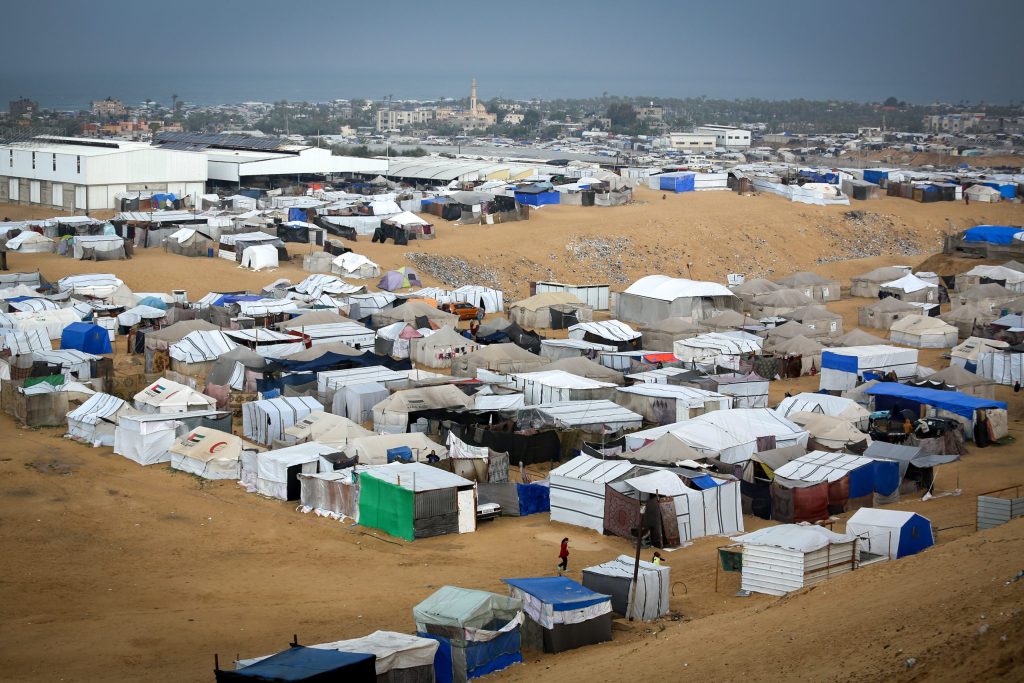
Additionally, as per the agreement, Israel will release prisoners in exchange for the hostages. This includes nearly 50 prisoners originally let out of prison in the Shalit deal but later re-arrested, as well as dozens of security prisoners sentenced for life, out of the 110 designated for release.
The Question of Phase 2
Hamas officials have stated that the acceleration of Phase 1 is intended to demonstrate their seriousness in advancing negotiations for Phase 2, which is expected to include the release of all remaining hostages, a complete withdrawal of the IDF from Gaza, and an end to the war. According to the agreement, negotiations for Phase 2 were supposed to begin by the 16th day and should have already matured by now. However, Israel’s Cabinet convened only yesterday to discuss possible approaches to this issue.
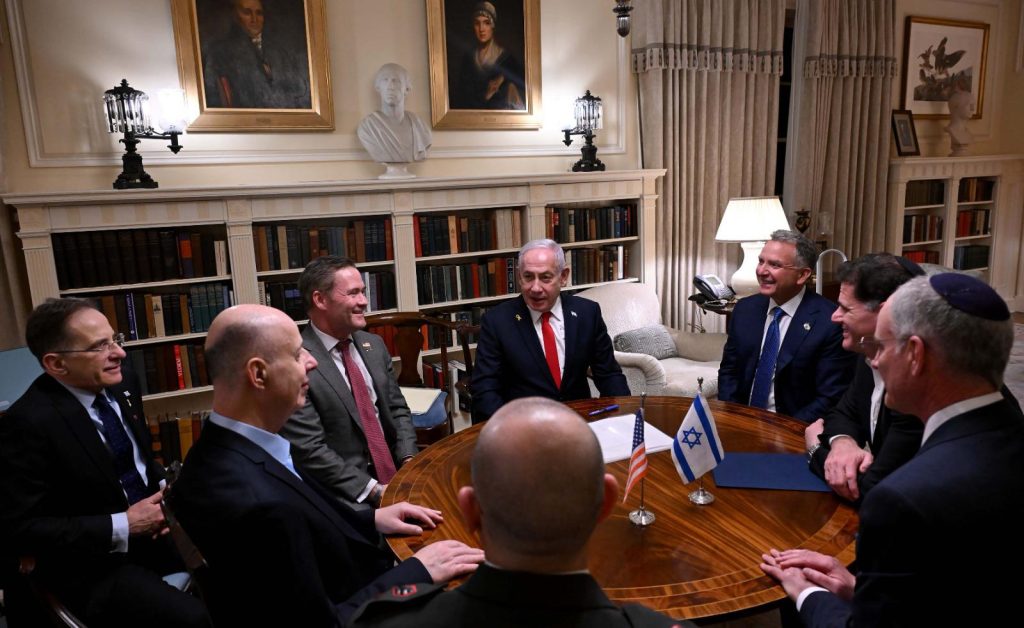
Conflicting reports are emerging regarding Israel’s official stance on Phase 2. While many coalition members are calling for the deal’s termination and a return to military operations in Gaza, statements from Foreign Minister Gideon Saar and U.S. envoy Steve Witkoff suggest that Israel is, in fact, moving toward Phase 2. One thing is certain: the acceleration of Phase 1 also brings forward the moment when Israel must decide on this critical question.