
Newly re-elected U.S. President Donald Trump is set to hold his first second-term meeting with a foreign leader — Israeli Prime Minister Benjamin Netanyahu. The meeting is scheduled to take place tonight (Tuesday) in the Oval Office at the White House in Washington, D.C., at 11:00 PM Israel time.
The meeting is expected to last about an hour and a half, after which the two leaders will hold a joint press conference, summarizing their discussions for the global audience. Serving as an important message of diplomatic unity between Israel and the U.S., it will highlight the strength of their alliance.
A senior American official stated this afternoon that the leaders will discuss “maintenance of ceasefire agreements” and securing the release of hostages held by Hamas. “Trump is focused on getting all the hostages out and ensuring that Hamas cannot return to power in Gaza,” the official told Reuters. He added that Trump and Netanyahu will also discuss Phase Two of the hostage deal, noting that “there will be unity in how they aim to pursue this goal.”
A Highly Packed Visit
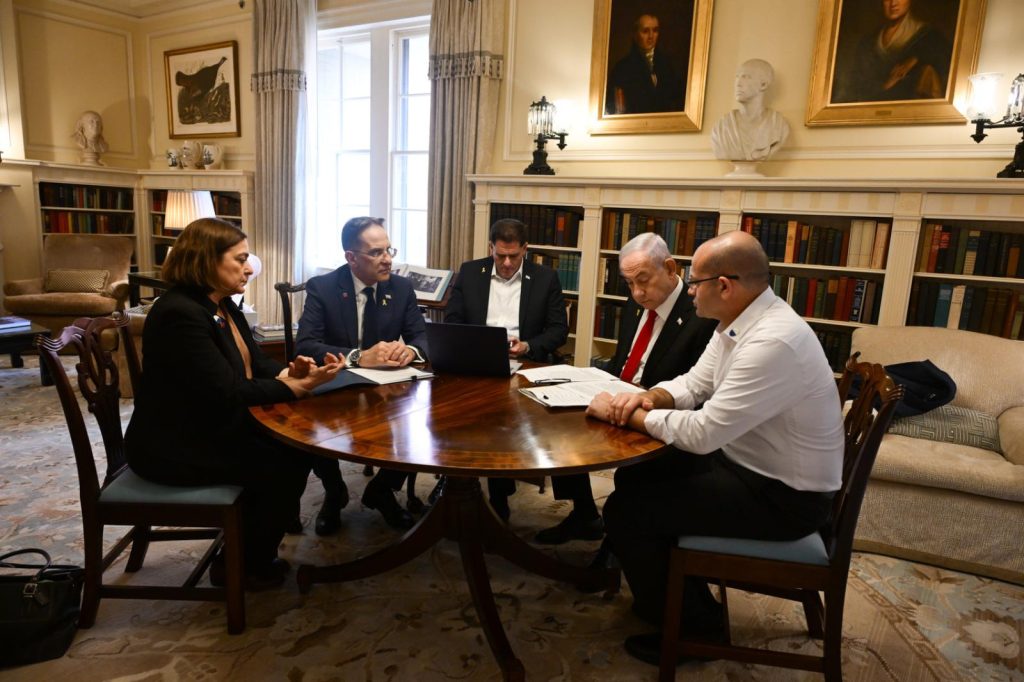
Netanyahu’s week-long diplomatic visit to the United States is filled to the brim with high-level meetings with senior U.S. officials. Shortly after he landed yesterday, Netanyahu met with National Security Advisor Mike Waltz and Special Envoy to the Middle East Steve Witkoff; a meeting that senior officials in the Prime Minister’s Office described as “positive and friendly.” Today, Netanyahu is fully dedicating himself to the crucial meeting with President Trump, which is the central focus of the visit.
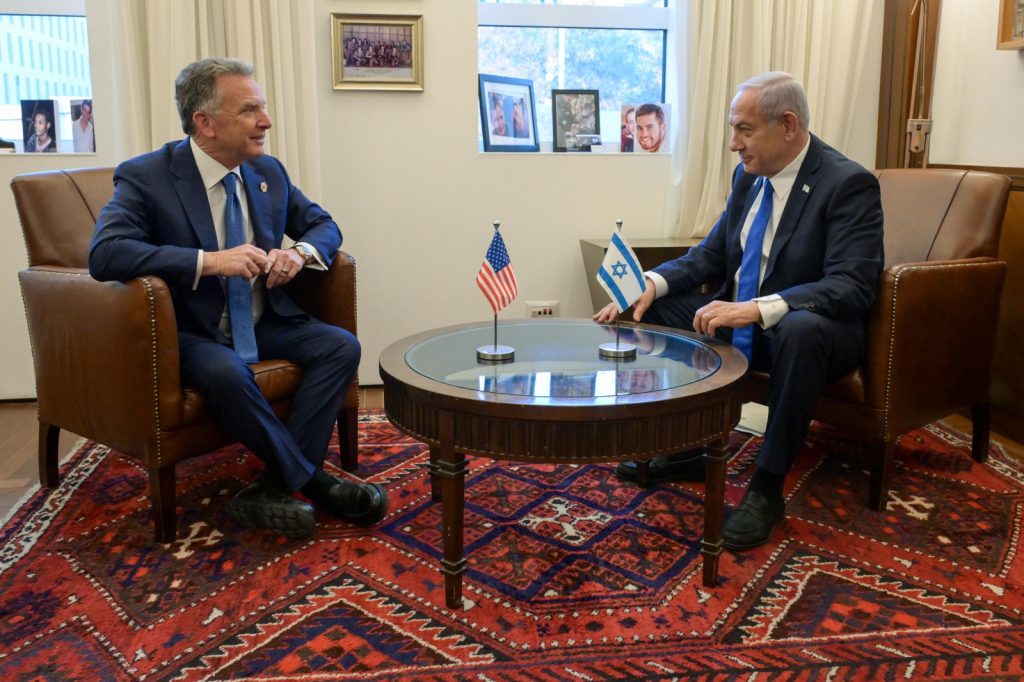
Tomorrow, Netanyahu is scheduled to meet with Waltz again, as well as with Trump’s newly appointed Secretary of Defense Pete Hegseth, known as a staunch supporter of Israel. On Thursday, Netanyahu will meet with Senate Majority Leader John Thune, followed by additional Congressional leaders from both parties. Netanyahu is expected to spend the weekend with his family before returning to Israel on Saturday night.
Crucial Strategic Decisions
Netanyahu and Trump are expected to discuss the most critical foreign policy and security issues, with their joint conclusions shaping Israel’s strategic direction in this war and the broader Middle East. The top priorities on the agenda are the continuation of the hostage deal, the future of the war in Gaza, and options for toppling Hamas from power. Additionally, they will deliberate the northern front, the stability of the ceasefire with Hezbollah, and strategies to weaken Hezbollah, particularly in light of the dramatic events in Syria.
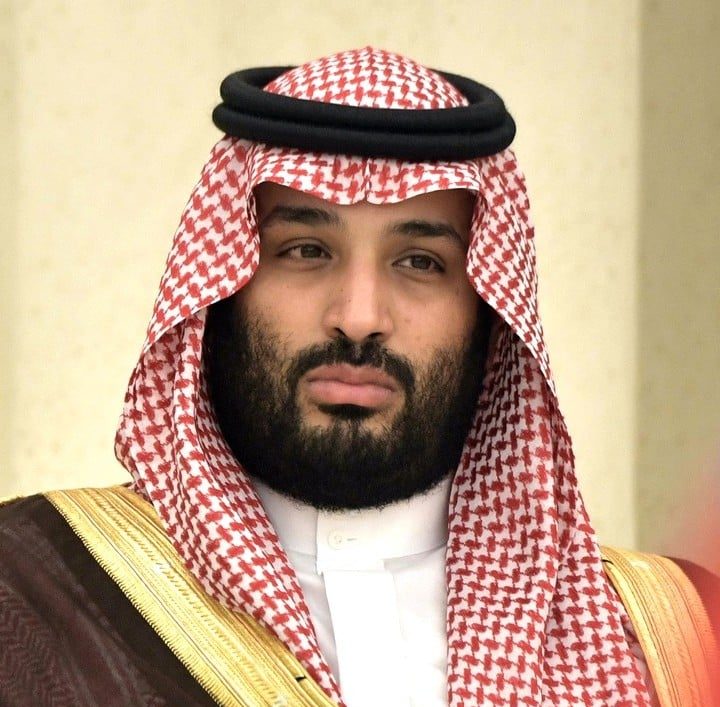
Furthermore, the two leaders are expected to discuss Israel’s relations with Saudi Arabia and Trump’s intentions to advance a normalization agreement, as a natural extension of the Abraham Accords. This could have significant implications for the final and perhaps most critical issue to be discussed — how to handle Iran, and the possibility of advancing a military strike on its nuclear facilities, or negotiation of a new nuclear deal.
Bridging Multiple Interests
While Trump and Netanyahu appear to be aligned on some issues such as Lebanon and Saudi Arabia, their positions on Gaza and Iran remain unclear. Netanyahu may need to navigate between U.S. proposals and his own strategic plans, while also managing internal political pressures from his Israeli coalition partners, each of whom has different expectations for the visit. Trump may attempt to bundle several of these issues into broader deals, while Netanyahu will assess whether he can separate them into phases that better serve Israel’s interests.
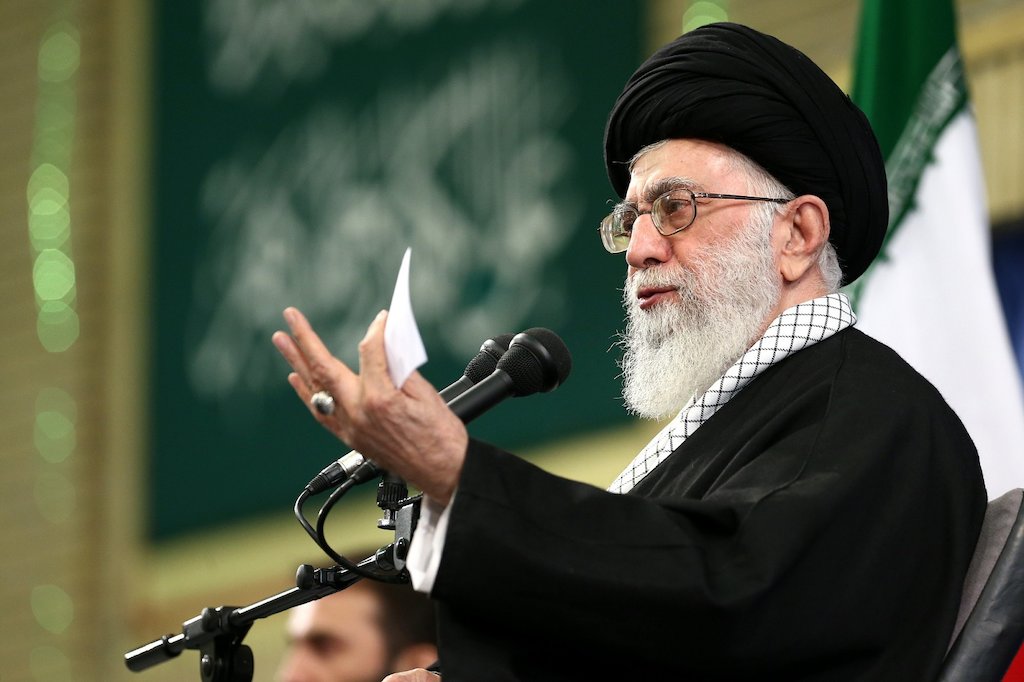
Trump’s Renewed Iranian Policy
President Donald Trump is expected to reinstate the ‘maximum pressure’ policy against Iran, aiming to prevent it from obtaining nuclear weapons and to curtail its regional influence. According to a Reuters report, Trump plans to intensify diplomatic pressure and impose additional economic sanctions on Tehran. This move comes in response to reports of Iran accelerating its nuclear program and increasing its military activities in the Middle East.
Senior U.S. officials have indicated that the new sanctions will target key sectors of Iran’s economy, including the oil and finance industries, with the goal of bringing Iran back to the negotiating table for a stricter nuclear agreement.
Speaking on 103FM Radio, Brigadier General (Res.) Uri Dekel, stated Trump is likely to propose a comprehensive deal: completing the hostage deal in full, advancing normalization with Saudi Arabia, and establishing a massive arms deal with the Saudi military to counterbalance Iranian threats.
Concurrently, Nir Dvori from N12 reported that Netanyahu may propose a different order of priorities: first, advance a military strike on Iran to weaken it strategically, and use that momentum to further normalization with Saudi Arabia. Only afterward, complete the hostage deal under terms favorable to Israel.
A High-Stakes Meeting with Far-Reaching Consequences
Tonight’s meeting will not only shape the future of the war in Gaza but also influence Israel’s regional alliances, its approach to Iran, and its long-term security strategy. With Trump focused on securing the hostages and preventing Hamas’ resurgence, and Netanyahu balancing military, diplomatic, and political considerations, the decisions made in the Oval Office will resonate far beyond Washington and Jerusalem.