

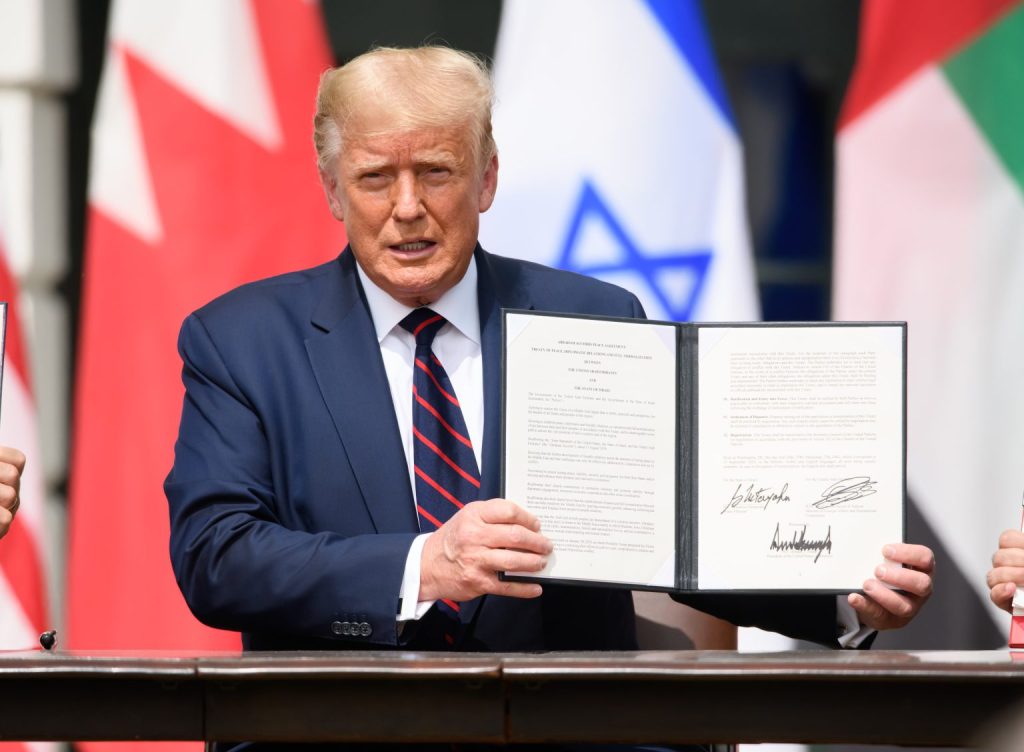
Speaking at a White House press conference yesterday (Thursday), Trump expressed confidence that both nations will align with his proposal. “They will do it. We do a lot for them, and they will do it,” the president asserted when asked about Egyptian President Abdel Fattah el-Sisi and Jordan’s King Abdullah II rejecting the plan.
Watch President Trump’s Response:
כתב: נשיא מצרים ומלך ירדן אמרו שניהם שלא יקבלו עקורים מעזה כפי שהצעת. האם יש משהו שתוכל לעשות שיגרום להם לעשות את זה? למשל, מכסים נגד המדינות האלו?
עוד באותו הנושא
- Israel Strengthens Global Alliances Amid Regional and International Challenges
- Beyond the Conventional: Haredi Soldiers and Wives of Warriors Stand with the IDF
- Hostages No More: IDF Returns Two Fallen Heroes from Gaza in Daring Operation
- Freed Hostage Turns Her Pain Into Strength at the UN Security Council
הנשיא טראמפ: הם [סיסי ועבדאללה] יעשו את זה. הם הולכים לעשות את זה. אנחנו עושים הרבה עבורם והם הולכים לעשות את זה. pic.twitter.com/jKswPtJyY5
— דונלד טראמפ בעברית (@DonaldJTrumpHeb) January 30, 2025
Gaza Resettlement Plan
Last week, Trump proposed relocating Gaza residents to neighboring countries—primarily Egypt and Jordan—as a means to “clear out” the region and enable its reconstruction. He estimated that approximately 1.5 million people would need to be relocated and emphasized the necessity of Arab nations’ involvement in providing either temporary or permanent safe havens.
Egyptian President Abdel Fattah el-Sisi rejected the proposal, calling the forced displacement of Palestinians an “injustice” that Egypt would not participate in. He further warned that such a move could threaten Egypt’s national security.
Watch Egyptian President el-Sisi’s Press Conference:
Similarly, Jordan’s King Abdullah II firmly opposed the plan, stressing the importance of keeping Palestinians in their homeland. He pointed out that Jordan already hosts millions of Palestinian refugees and that additional resettlements could destabilize the country.
“Thinking Outside the Box”
In Israel, the proposal received backing from some government officials, including Finance Minister Bezalel Smotrich, who called the idea “thinking outside the box.” He vowed to push for an operational plan to implement the initiative as soon as possible.
Support for Trump’s proposal also emerged from international voices, including Amjad Taha, a strategic analyst from the United Arab Emirates with hundreds of thousands of social media followers. Taha remarked that such a move “might actually be a good idea. First, it would allow for a faster reconstruction of Gaza. Second, it would help eliminate Hamas terrorists. Additionally, Gazans who move to other countries might be exposed to diverse education systems—ones that do not glorify death and antisemitism—potentially helping them understand the benefits of peace.”