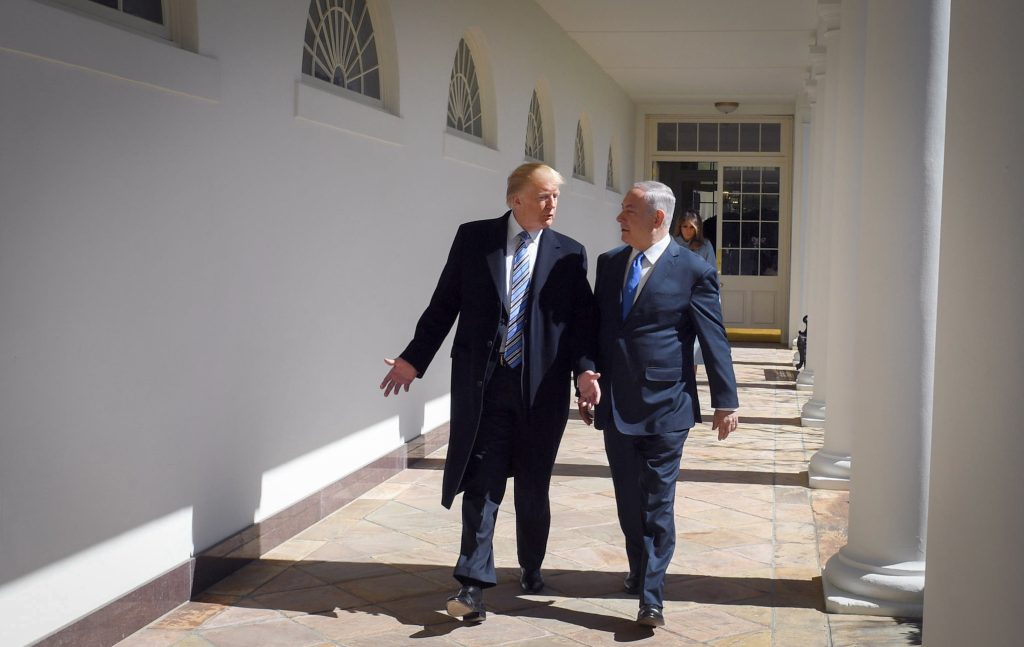

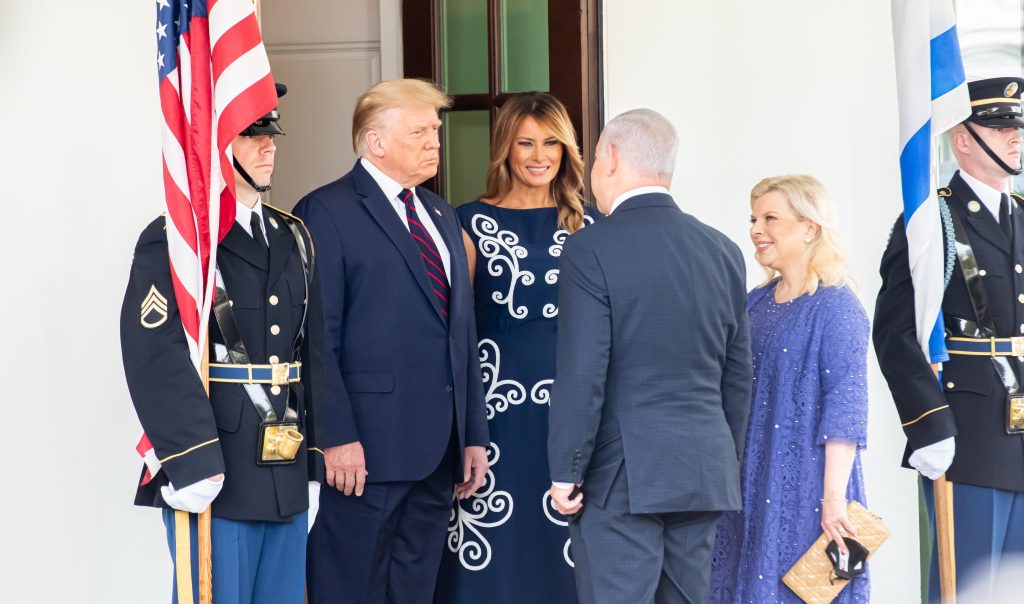
Washington, D.C. – Israeli Prime Minister Benjamin Netanyahu has departed for Washington this morning (Sunday) ahead of a critical meeting with U.S. President Donald Trump, scheduled for Tuesday.
The two leaders are expected to address key issues impacting the Middle East and U.S.-Israel relations. These are the main topics likely to be discussed:
The Iranian Threat and Its Nuclear Ambitions
While Iran’s pursuit of nuclear weapons remains a primary concern for Israel and the broader Middle East, Tehran’s nuclear program and aggressive expansionism should also alarm the international community.
Netanyahu is determined to secure the U.S.’s commitment to taking decisive action against Iran’s nuclear ambitions. The meeting will focus on ways to protect Israel from Iran’s regional entrenchment and to enhance the security cooperation between the two allies.
Israel is pushing for a coordinated diplomatic and security strategy with the United States and its allies to halt Iran’s nuclear progress and dismantle its regional terror infrastructure.
Expanding Normalization with Saudi Arabia and Other Arab States
Another key topic of discussion will be expanding the Abraham Accords to encompass additional Arab nations, with Saudi Arabia at the forefront. The objective is to strengthen regional alliances and further stabilize the Middle East through additional peace agreements.
The historic Abraham Accords normalizing relations between Israel and the UAE and Bahrain laid the groundwork for further diplomatic breakthroughs. A normalization agreement with Saudi Arabia, the leading economic and political power in the Arab world, would mark a major geopolitical shift in the region.
Potential agreements could include collaboration on energy, technology, tourism, and security, opening new avenues for mutual cooperation and prosperity.
The Future of Gaza: Migration and Governance
Trump’s idea of facilitating voluntary migration from Gaza, welcomed by Israeli officials, will be a focal point of discussion, following a recent phone call between Trump and Egyptian President Abdel Fattah el-Sisi on the matter.
Eliminating Hamas’ control over Gaza remains a top Israeli strategic objective, a complex plan requiring both both military and humanitarian solutions. The ultimate goal is to dismantle Hamas’ rule and replace it with a form of governance that ensures long-term security and stability.
Israeli security officials emphasize that eradicating Hamas may necessitate further ground operations, to be conducted in coordination with international parties while forming plans for regional rehabilitation efforts. Simultaneously, discussions on promoting voluntary migration, a strategy that can bring long-term change to the region continue, despite resistance from Arab states, particularly Egypt and Jordan.
The Hostage Deal: The Next Stage
The fragile ceasefire in Gaza remains under intense scrutiny, with international and Israeli parties focused on securing the release of the rest of the hostages held by Hamas. If the negotiations on the next stage of the hostage deal collapse, Israel may resume military operations in Gaza, possibly of a more offensive nature, and President Trump is expected to urge Netanyahu to consider measures that prevent further escalation, in order to maintain regional stability and prevent renewed hostilities.
The next phases of negotiations to ensure the release of more hostages faces complex challenges, but diplomatic efforts will continue in the hope of freeing all hostages still in captivity.