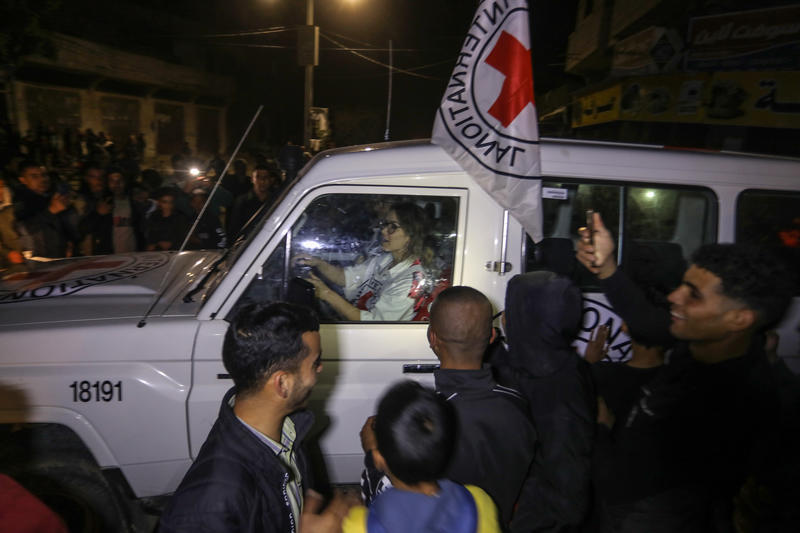
As news about the ongoing hostage deal continues to surface, Norit Tamshot, Director of the Social Work Department at Assuta Ashdod Medical Center, reflects on the challenges of supporting hostages upon their return emphasizing the importance of family support, avoiding pressure, and professional collaboration in recovery. With four decades of experience in social work, Tamshot has witnessed families’ most difficult moments and their eventual glimpses of hope.
In a statement released today (Wednesday), Assuta Ashdod answered pressing questions about how social workers are preparing to help returning hostages and their families navigate the difficult road ahead.
“Surviving Trauma, Finding Balance”
עוד באותו הנושא
- Selichot Season Opens with Spiritual Power and Unifying Prayer at the Western Wall
- With Hope and Resilience, Hostage Survivors Embrace Life After Captivity
- Beyond the Conventional: Haredi Soldiers and Wives of Warriors Stand with the IDF
- The School Year Opens Across Israel with Historic Returns and New Beginnings
“The hostages face complex trauma, including isolation, fear, and loss of control,” Tamshot explains. “Reintegrating into society, reestablishing relationships, and coping with painful memories will be significant challenges.”
In the critical first days, Tamshot emphasizes the role of medical teams, including social workers, psychologists, and doctors:
“Our job is to assess the hostages’ physical and emotional well-being, reassure them that they are safe, and approach them with care and patience. Offering support without pressure allows them to regain a sense of control at their own pace.”
Recognizing Signs of Distress
Tamshot warns that signs of emotional struggle may be subtle: “Extreme mood changes, withdrawal, nightmares, trouble sleeping, or unexplained physical pain can all indicate distress. Being attentive and offering help gently is key.”
Family Support: A Pillar of Strength
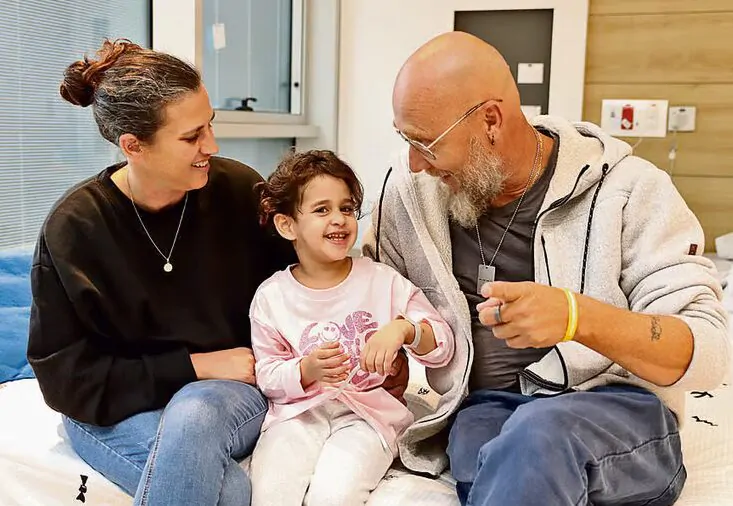
Tamshot underscores the vital role of family support: “Families must create a safe and nurturing environment, be patient, and allow each person to heal at their own speed. They, too, need professional guidance to navigate these new challenges.” Children, she notes, may exhibit trauma differently: “Regression, heightened fears, or isolation are common. Creating a supportive environment, integrating therapeutic play, and consulting child development specialists are essential steps.”
Tailored Recovery Plans
“The first step is welcoming them home,” says Tamshot, stressing the importance of meeting returning hostages on their terms. Alongside family and community support, the state must prepare specialized medical teams and tailored rehabilitation plans: “Just as we’ve done before, we need dedicated teams of doctors, nurses, psychologists, and social workers to provide emotional and physical care and develop individualized recovery programs.”
The Community’s Role
Communities can also play a crucial part, she adds, but must act sensitively: “Avoid prying questions and let the hostages dictate the pace of interaction. Simply being there, offering basic support, and showing care can make a world of difference.”
As the nation awaits the hostages’ return, the focus remains on ensuring their journey toward healing is met with understanding, care, and the resources they need to rebuild their lives.