
Strengthening Military Collaboration
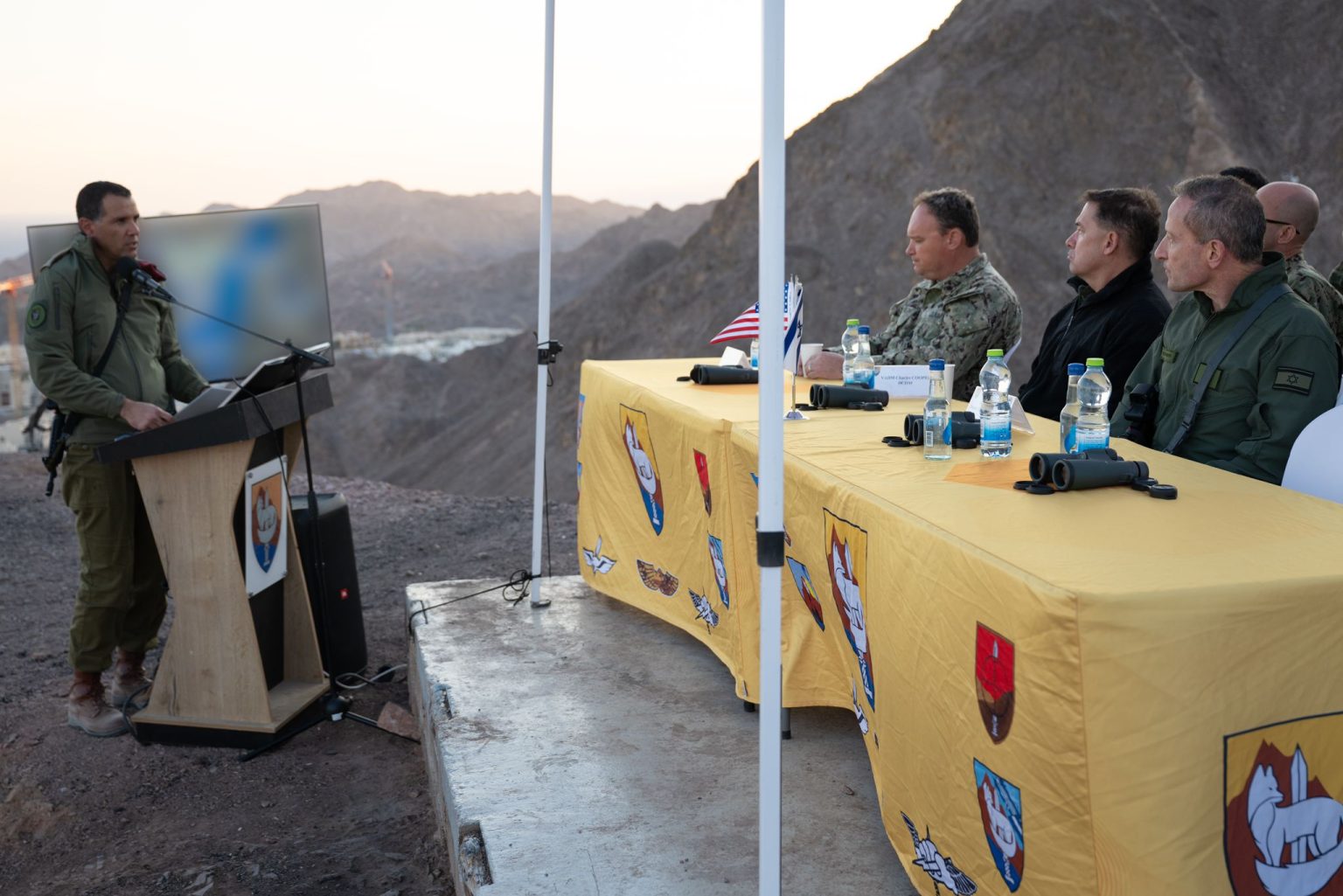
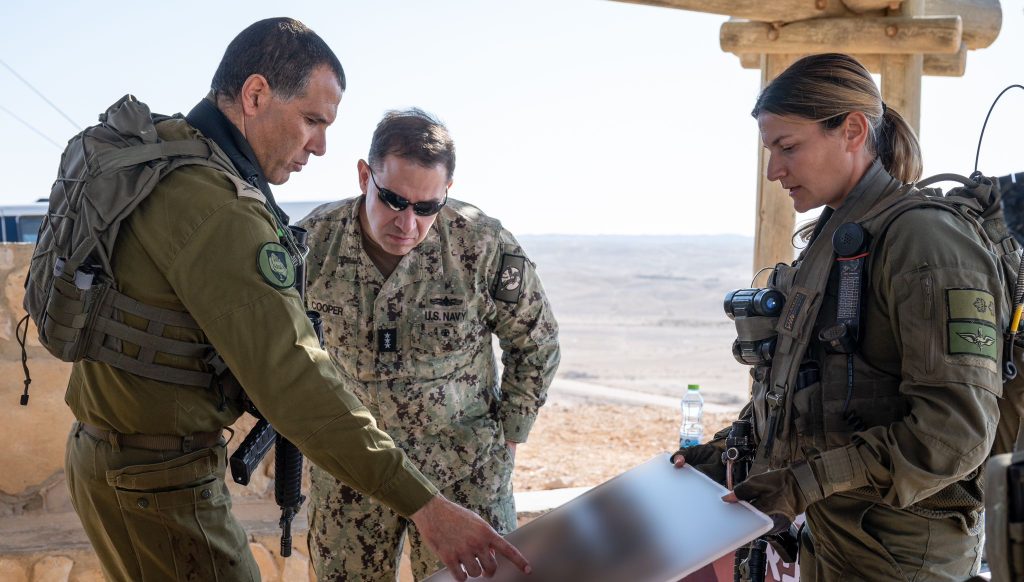
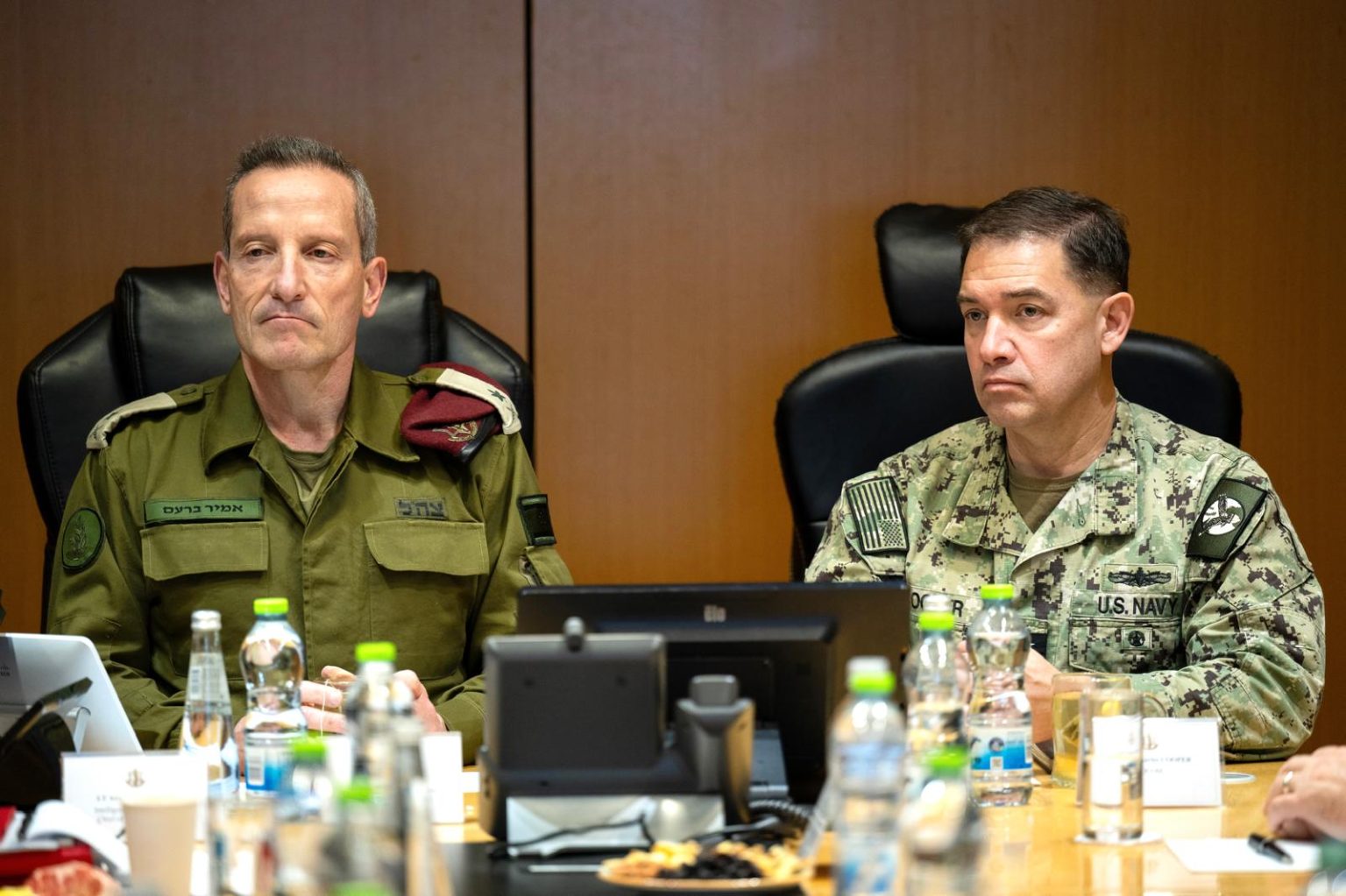
Last week, Vice Commander of the U.S. Central Command (CENTCOM), Admiral Brad Cooper, made an official visit to Israel, meeting with Deputy IDF Chief of Staff, Major General Amir Baram. The visit comes at a pivotal moment as the U.S. prepares for the transition of power in the White House, with President-elect Trump set to return to office. Discussions focused on joint military readiness and deeper cooperation between the two nations’ armed forces.
Throughout the week, Baram and Cooper toured key Israeli Air Force bases, including the Nevatim base, where they received a detailed briefing on military capabilities and ongoing U.S.-Israel collaborations. According to the IDF, the talks addressed defense activities against threats from Yemen and joint efforts to strengthen Israel’s regional defense network.
Delayed Shipments: Bulldozers and Heavy Bombs
One of the pressing topics during the discussions was the delay in U.S. weapons shipments to Israel. These include approximately 1,300 heavy bombs purchased by Israel’s Ministry of Defense from Boeing. Each bomb weighs nearly a ton, but their delivery has been frozen due to U.S. concerns about potential civilian risks.
Additionally, Israel faces a shortage of engineering vehicles, forcing the military to rent equipment from private contractors for ground operations. This has hampered operational efficiency, particularly during last year’s combat in Gaza and southern Lebanon. The IDF noted that the delays have affected readiness during critical ground missions.
The upcoming shipment, expected soon, will include 1,700 heavy bombs, 134 armored D9 bulldozers—essential for clearing explosives, IEDs, and tunnels in urban areas—and additional weaponry.
The Regional and Political Landscape
With President-elect Trump set to assume office in two weeks, his policies regarding the Middle East remain unclear, particularly on Iran. When recently asked about potential support for an Israeli strike on Iran or a U.S. offensive on nuclear facilities, Trump replied, “That’s not something I’d ever answer.”
The U.S.-Israel partnership highlights the critical importance both nations place on extensive military and strategic collaboration. Discussions on releasing frozen arms shipments and preparing for possible regional conflicts underscore the seriousness of their approach to growing threats.
The lingering question is whether these strengthened ties will translate into actual military action or serve primarily as a deterrent against adversaries.