
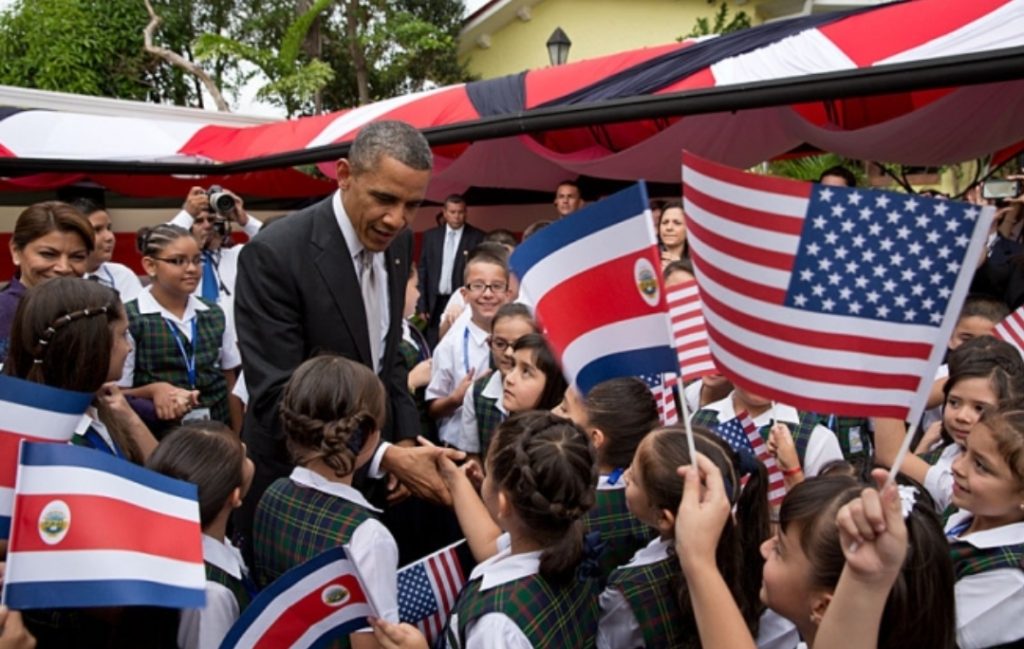
Costa Rica, located in the territories of the Americas once under Spanish imperial rule, achieved its independence in the early 19th century. Like other Latin American nations, Costa Rica experienced a prolonged period of instability, internal coups, border conflicts with neighboring countries, and invasions by foreign powers. However, by the early 20th century, democracy had begun to take root in the country, albeit under conservative dominance.
In the 1948 elections, the Social Democratic Party defeated the Conservative Party. However, the conservatives refused to acknowledge the election results (citing allegations of fraud) and resisted the transfer of power. In response, José Figueres, a leader of the Social Democratic Party, launched an armed rebellion. After a short conflict that resulted in several thousand casualties, the conservative president surrendered. Figueres seized power and established a new constitution for the country, which included a revolutionary clause: the abolition of the military.
This decision was made to prevent future coups and out of pacifist motives. Costa Rica became the first country in the world to operate without a standing army, and the move has served it well. Since then, the country has enjoyed economic growth and stability. Following Costa Rica’s lead, approximately 15 other countries, including Iceland, Panama, and Andorra, have adopted a similar approach and abolished their militaries.
עוד באותו הנושא
- Israel Strengthens Global Alliances Amid Regional and International Challenges
- Beyond the Conventional: Haredi Soldiers and Wives of Warriors Stand with the IDF
- Hostages No More: IDF Returns Two Fallen Heroes from Gaza in Daring Operation
- Freed Hostage Turns Her Pain Into Strength at the UN Security Council